Cona coffee and a club sandwich, please

Standard

We were talking last night about food fashions.    I recalled how back in the late seventies, the height of cool for us, in our wee Brooklyn apartment (Wellington, not New York), was cracked pepper pâté on Vogel toast – yum – Friday night, after a week at work, and then home to an easy dinner.   Dead cool, delicious and yes, high fibre toast and something as exotic as pâté.    Well, you might smile.   But you may not have grown up in the 50’s when the closest thing to high-fibre bread was a ‘brown loaf’ or Nu-soy bread and pâté well…

It reminded me of an essay I wrote back in the nineties about the changing face of New Zealand cuisine, and how the tables had turned (so to speak) from the early 70’s when we lived in Norway, to the 1990’s, when our Norwegian friends came to visit us in New Zealand.

Cona coffee and a club sandwich, please

We came back from our OE in the mid seventies armed with our Moulineaux – a smart, European sounding and superior coffee-making machine.  It worked by filtering freshly ground coffee beans through a sort of blotting paper and we added mustard and salt to add flavour and flair.   We were sophisticated travellers who now knew how to make real coffee.  We’d learned in London about milky instant coffee and in Norway about brewing coffee on a stove, but our Moulineaux was an advance on all of these options. We even purchased a Spong coffee grinder (think of your mother’s meat mincer) so we could startle our friends with freshly ground coffee beans.

Growing up in small-town New Zealand, our first taste of coffee had been Gregg’s chicory essence followed by Gregg’s instant.  And then there was the subversive Dutchman who opened a dimly lit coffee bar in Richmond, replete with candles burning in Chianti bottles and coffee was over-brewed into the wee small hours (probably as late as ten in the evening) in a Cona Coffee pot with a mysterious glass stopper.

In the eighties as world travellers, we would cross the Tasman for our cappuccino and marvel at the hot froth, delighted by the dusting of cinnamon or chocolate.  Choosing between cinnamon or chocolate on your cappuccino, being one of the defining moments of trans Tasman travel, back then.

And gradually (or was it all of a sudden?)…  the coffee industry began to infiltrate (excuse the pun) New Zealand.   People abandoned their cups of tea for coffees and the options began to grow.    You could still buy Cona coffee, and you could enjoy filter coffee of various varieties, but now the cappuccino was gaining favour.   And another competitor entered the scene – the plunger!    People argued in favour of and against the plunger.   People argued about the size of the grounds required for plunger versus filter coffee.

Cafes came and went – as good as their last lukewarm latte.   We marvelled at the flat white and debated the difference.

A cappuccino was now passé.  The latte bowl was in.   People sat in cafes all over New Zealand worshiping a white bowl of not too frothy froth.  It took two hands to hold and it required concentration and a teaspoon if you wanted to make sure you got your money’s worth.   People, who normally had good manners, could be seen spooning coffee from enormous white bowls, their noses no longer powdered with cinnamon or chocolate, but possibly dipped in spume.

Then somehow, when we weren’t looking, chocolate crept into the equation.  Peopled nonchalantly ordered moccachino’s and worse than that…decaffeinated flat whites…   Even barristers cringed at this new fad.  What was the point of coffee without the caffeine?

And then, from out of the blue, we had word from our friends in Norway that finally, after thirty odd years, they were coming to visit us.  When we first left home in the seventies and lived in Norway, we were gob-smacked by the variety of food and the taste of coffee in Europe.   And so, we couldn’t wait to show them our beautiful mountains and we hoped, some authentic kiwi fodder.

We set out on our journey to the South Island on the fast ferry (normally crossing Cook Strait on a ferry guarantees you a look at authentically awful Kiwi food) – but fashion had overtaken us and the food was passable even quite good.   It reminded us of the food we had eaten on the hydrofoils in Norway thirty years ago – salad sandwiches and pastries.   But we still had high hopes of finding the real thing.

In Blenheim we visited the vineyards and our Norwegian friends were astonished at the variety and quality of our wines.   We recalled working in the mountains in Norway serving European wines, most of which we had never heard of before.  Many of the guests were wealthy oil and shipping magnates from Haugesund and Stavanger.  The most popular dinner wine was Egri Bikaver (which means bulls blood and has something to do with the Turks, the Ottomans, and Hungary) and for the wealthier (oil and shipping) guests the prestigious (we’d never heard of it back then) Châteauneuf de Pape…

Thirty years later, we watched, as our Norwegian friends sat, eyes closed, breathing in a Mudhouse Sauvignon as if it were the equal or more exotic than Egri Bikaver.

We ate in Nelson and almost drowned in haute cuisine.    But still we hopes.   We would seek out the club sandwich, the mini mince pie and the chocolate éclair.   We were determined to enlighten our Norwegian friends.

Instead, on the West Coast, we ate whitebait patties the size of dinner plates at a salmon farm and even our take-away pizza at Fox Glacier was edible.  The glacier rated, even with our Norwegian friends who were awed by the rapid movement forward of the glacier, the accessibility and the pretty, but dirty blue of the snow.

Then, driving through the Haast, hubby and I marvelled at the uncanny prehistoric canvas that enveloped us, while our Norwegian friends slept in the back of the car, sated, resting, and ready for the next gourmet experience.   Which, as it happened was not that far away, when we found Saffron in Arrowtown and although the mains (minus vegetables) were thirty-five dollars each and upwards, our Norwegian friends (converting the kroner to NZ dollar) didn’t even blink or notice that we did.  Leaving Otago, we popped into the Gibbston Valley vineyard…

The Gibbston Valley Pinot was the Eiffel Tower and the Prado rolled into one as far as we could tell from the glazed and glorious expressions on our guests’ faces.    They slept through the Lindis Pass and missed a moving feast of Graham Sydney landscapes.  I think, but cannot be absolutely certain, they did glimpse Mt Cook, but possibly they slept through this, digesting and resting.  We headed for Christchurch and out to Banks Peninsula.   At Little River, the old store had burned down and a new and modern tin shed had risen from the ashes and instead of just oversized pumpkins and Swandris, we found doormats made of river stones that even Aucklanders would drool over.

We set off for Akaroa, imagining their awe at Onawe, and instead they discovered Barry’s Cheese Factory.  Please, please, no more – our stomachs groaned, but our Norwegian friends were amazed.   We couldn’t convince them that when they first met us, our most exotic cheese experience was smoked cheddar quarters in foil wrap.   We had been impressed with the goat’s cheeses in Norway back then – the peanut butter colour of them – the textures and flavours, the sheer range of cheeses… not to mention the awful smelling gammel ost (literally “old cheese) housed in a glass cover to keep the pungent smell at bay.

And then Akaroa in all its French quaintness invited us in.   We stayed with an old sailing friend who had restored a French Colonial historic home to former glory and planted hundreds of roses.  Each bathroom basin adorned with a freshly picked rose, themed bedrooms and, dare I say it, European, exotic… our Norwegian friends were delighted and so were we, but we had hoped for a small colonial cottage with no frills, or at the very least, a Spartan L-shaped motel with candlewick bedspreads.

Dinner was yet another taste-bud extravaganza on the waterfront with a roaring fire and endless good wine and food.  It wasn’t that we really minded, it was just we wanted them to know how bad it had been – and we had hoped to find some remnant…some shreds of evidence of a former civilization when the pubs closed at six pm, and people ate our for the first time on their twenty-first birthday at the local hotel…where the menu might have said roast lamb, or roast something…when dessert might have been Pavlova and when the best wine might well have been a very sweet German Riesling (even a green Nun would have done).

Breakfast at our B & B (no over-fried bacon and rubbery eggs) was fresh salmon or poached eggs with hollandaise…and yet another rose.

And so, we hoped and prayed that our favourite South Island town Kaikoura would not let us down.   It was November and it snowed, and the sun shone and we rocketed from almost sub-zero temperatures to almost mid summer.    We booked the White Morph, determined to give our Norwegian friends a truly memorable and authentically New Zealand experience but instead of authentic Kaikoura old-style crayfish in newspaper from Nin’s roadside bin …we were in for another gourmet treat, courtesy of the White Morph’s new chef.      We were thwarted once again and our friends were now convinced that we had been keeping New Zealands’s fine cuisine and amazing wines a secret for thirty-odd years.  The roadside cray bins weren’t selling crays that day…it seemed their catch had all gone to the restaurants.

We tried to explain about the New Zealand roast, the Cona coffee, the lamingtons and the pies…but they didn’t believe us…  They left New Zealand promising to return…but not for the scenery…  they had vineyards in their sights, and they hadn’t tasted our oysters or scallops yet…

It was weird to think how sophisticated Norway had seemed back then and to see now, how sophisticated and “European” New Zealand had become. How exciting it had been to pour European wines and eat from the smörgåsbord for breakfast and lunch.  Pickled herrings, smoked and hung and dried meats, and at lunch-time after skiing in the morning, a Pilsner.   And, now New Zealand was afloat with boutique breweries and we couldn’t even extol the virtues of Pilsner, or their extra strong (with a health warning) Christmas beer Jule øl .

We laughed about the fried egg joke – which was the meal that any good hotelier in Norway would place on the bar while you drank your beer (the law said you had to eat when you drank)…and then put away again, uneaten, for the next guest.   Of course with our six o’clock swill still a recent memory, we hadn’t thought too much about this.   But, now our friends from Norway were astonished, and delighted that we could take wine with a picnic to the Botanical Gardens in Wellington and enjoy the summer evening concerts without getting arrested.

Norway doesn’t even make wine (not unless you count the rosé, that we used to drink made from old jams at Easter time by Bestemor (Grandma) at the hotel we worked at – it kicked a fair punch indeed, was a gorgeous colour and texture, but hardly Ata Rangi), and in thirty years, we’ve gone from Villa Maria Rejoa by the flagon, to prize-winning Pinot Noir from Otago; from Velutto Rosso in a cardboard box (not bad in mulled wine), to endless choices in a bottle… from corks to screw tops.

It was odd, but I still hoped we’d find a little café with over-brewed coffee, sausage rolls, and prize of all prizes, a carefully cut, lovingly filled, slightly soggy, cheese and pineapple club sandwich.

Anzac Biscuits

Standard

An iconic Kiwi biscuit.   So much so, that a couple of weeks ago when I was working with German high school students recently arrived in New Zealand, I decided to bake for them.   It never occurred to me to consider the significance of these oat-filled delights.   I thought I should do something hospitable and generous to ease their adjustment from their homeland to here.   What better than to introduce them to one of our favourite biscuits.   The day before we’d stopped at a dairy in Mt Victoria to eat ice-cream in a cone.  It was when I turned to the whiteboard and wrote Anzac Biscuits on the board and began to explain their origins; that it dawned on me.   Thankfully, these were young, jet-lagged students, not specifically riveted by my now halting description of the origins of a biscuit.    They preferred the eating of them to the discussion of them, but delightfully, as I mumbled my way out of this cul-de-sac of my own making – I heard this – ‘War, what war – who won?’   It reminded me how old I really am.

My granddaughter started school this week and I’ve decided to do baking each week for her school lunch.   Last week I made a ginger loaf for her and this afternoon, I’ve been making… yes you guessed right… my version of the Anzac biscuit which means using whole rolled oats making a slightly chunkier biscuit.    No-one mentions how tricky Anzac biscuits are to make – they sound so simple – but if you get the butter and golden syrup measurements slightly wrong, you can end up with biscuits than run too thin and burn.    I like my new version (and so does my family), which is less crisp and thin, but still delicious.

All this has reminded me of an essay I wrote back in 2004 which was short-listed for the Takahe Cultural Studies Essay competition.   I found it sitting on my C-drive while I was looking through old journals and sub-folders….  I thought it was time to post it on my blog.   A little trip down memory lane, looking at New Zealand – the way we were.    It’s called ‘Marching into the Future’ and was written the year before my novel on book clubs and marching was published.   I must have already been leaning towards this theme.

Marching into the future

On the front cover of the Weekly News dated March 17, 1965, selling for one shilling, is the picture of a very blonde young woman (think straw) wearing a particularly vibrant shade of pink lipstick to frame perfect white teeth and a small gold filling.   On her head is a bright red busbie (think raspberry toppa) attached by a silver chain, which frames her face and sits under her chin.   She is saluting the reader.  She is wearing white gloves and we can see a glimpse of her uniform, white with red braiding (to match her busbie) and epaulets with red tassels.

The girl on the front cover is the leader of the Canadian Guards (back then, one of New Zealand’s top marching teams.).   Inside the magazine, is an article entitled “What Makes The Girls March”?  And the response in the magazine to this question, is evidently given by the “smartest and prettiest in the marching game” – the girl on the front cover.  It tells us she is “blonde, blue-eyed and ‘in marching’ since she was 13”.    But before we get on our high horses about political incorrectness, further on in the article we learn that this pretty blonde also holds down a management role at a radio factory.

We also learn that not only is she the leader of the top marching team, she is also the instructor.

Marching was a very popular sport in the sixties.   It was a time when families packed hampers and went to watch rugby shield matches and marching competitions (on different days of course, but still with almost equal enthusiasm).   When a brass band bought out the best in us.   When being a Drum Major was considered an honour and not an oddity.   It was before the influence of the Internet and the biggest threat to our national identity (losing our butter subsidy) had yet to happen.

On the back cover of the same Weekly News, Farmers advertise their “Wonda-Warm” brand new mulit-check blankets selling for seven pound, seven shillings for a single and ten pound nine and sixpence for a double.  Tartan was big back then and on offer ws the Onehunga “Matua” and you could choose a Royal Stewart, a Robertson, or a Gordon.

There was a choice of twelve Vauxhall models (including the Velox, the Victor and the Viva).  Lloyd Triestino offered trips to Europe on the Marconi sailing in August, or the Galileo in September and you could choose between First and Tourist Class.  In the same magazine there was a picture of “Two members of the Maori race who were honoured at the recent investiture at Government House”.   Imagine saying that today!   And back then, being skinny was a sin especially if you were a man.   The “Hello Skinny!” ad used to run regularly showing a weak-chested boy on the beach being hailed by a buxom woman accompanied by an Arnold Swarzenegger look-alike.  And if you were a real man, you needed a Lichfield shirt that could stand the close up test. While “the men of tomorrow need WEET-BIX today!”

The inside back cover of the Weekly News sports a full-colour roast chicken and stuffed bell peppers along with yes, you’d forgotten all about them, stuffed eggs with pink shrimps on top.   The advertisement is entitled “When the boss comes to dinner” – and it gives hints for a successful dinner party – such as polishing and drying the cutlery, where to put the bread plate and not to forget removing the salt and pepper before serving dessert.   You must of course put out cigarettes if you know your guests are smokers (evidently this is a nice way of saying “You may smoke” without actually saying it!).   And then, a specifically helpful little hint at the end, which explains that you should “Remember to serve all hot dishes on very hot plates and all chilled dishes on cold plates”.

And in case you’d forgotten (because now you carry a Macpac), Duffel Bags were only twenty-two and sixpence (plus postage) from Wisemans.    It was a time when plane’s sang… well not exactly, but an advertisement for NAC says that the “Viscounts sing along at 300 m.p.h. plus!”    And there is a two-page article devoted to the hovercraft trials in Malaysia with military observers from the Commonwealth, United States and Thailand.   And in brief, on page 19, reportedly on March the 11th, “The Prime Minister, Mr Holyoake, pledges that New Zealand will continue to support Malaysia against any Power that seeks to destroy it.”

Queen Street, Auckland, touted as the “Golden Mile” is photographed in all it’s Friday night glory – car headlights, pedestrians, neon signs, and it looks more alive back then, than it probably does now on a Friday night.   Friday night was a cultural phenomenon back then.   The whole family went to town to shop, eat and attend the theatre or cinema.  Boy racers co-existed with the rest of the Friday nighters, part of the overall sport, instead of the only sport.

And technology had given us the Hermes portable typewriter from Beechey & Underwood.   About the same size and probably a little heavier, than the latest laptops, but without memory and propelled by manual dexterity rather than computer chip.  But, you could for forty-five pound and eight shillings, buy a four-track tape recorder with microphone and spare spools.  Or, for the truly technically minded, there was the build your own tape-recordergram with 13-valve stereo, all-wave radiogram chassis as well as the four-track tape recorder.

The television correspondent for the Weekly News tells us about a play written by Bruce Mason “before television came to New Zealand” and already well known to stage audiences, which will screen on television.  The correspondent goes on to say that, whether the audiences will appreciate the locally produced material,  “Will depend on the sophistication viewers have achieved and their ability to take the sweet with the sour when looking at ourselves”.  The correspondent seems to be implying that theatregoers are a more sophisticated lot than the general television viewer – perhaps?

Under a section called “Newsletters” there are brief news reports from London, Singapore, and from Sydney.   It is reported that the Anzac March should be abandoned because it has become “something of a burlesque and “degenerated into a beer and poker-machine bonanza.”  Well, I don’t know about our friends across the ditch, but it seems that here in New Zealand in the 21st century, instead of a declining interest in Anzac Day, we now have a resurgence of interest.

As it happens, marching is also having resurgence – but not in it’s original form.   Marching as a team sport for youth, is in decline, but the girls from the sixties (probably now in their sixties) have begun Leisure Marching.   Women of all ages (from 45 to 85) are joining marching teams, and wearing uniforms (some of them glamorous track suits rather than short pleated skirts and leg tan), but march they do.     This is a new Kiwi sport and surely as quirky and unique as the sport of marching was back in the sixties.   Boys are still urged to eat WEET-BIX and today even top sportsmen can be seduced into appearing in television advertisements to praise the humble Kiwi breakfast.

And, when it comes to weekly news, the new Sunday magazine supplement to the Sunday Star Times proves that blonde blue-eyed girls still rate tops for front covers.  Only this time, it is Barbie on the front cover (August 28th, 2004) with the headline “Nobody’s Perfect” and an article inside about striving for the impossible.  A nice idea… an article to assuage us… but cynical me thinks we might still be using blondes to sell magazines.  And who better than Barbie?   She’s found inside on page 18, sitting in her yellow toy kitchen in a pink robe with mauve fluffy slippers and a glass of red.  Blonde hair tousled and although it is stretching a point (and yes, I’d take away the wine glass), it does remind me of the 10.30 news on ONE… well I know, but almost.

But hey, we’ve come a long way.   There’s a full-page advertisement by New Zealand Post for Father’s Day, using sex (a bare chested man) to sell postage.   Every-body’s (pardon the pun) Dad… with naked chest and perfect torso, biceps rippling (ooh those veins) and his belt, just unbuckled a little on his nicely wrinkled blue jeans.   There’s even a small asterisk to alert us to the important fact that “Actual Father may vary” – meaning, that not all Dad’s cut quite such a dash.   When did New Zealand Post move on from native birds?

Fashion in 2004 it seems, is about fifties femme and girls are not featured marching, but instead fronting rock bands and excelling on the world stage in golf.  And forget your Hermes portable, the best thing that Suzanne Hall of the Living Nature brand products, has bought lately, is an ipod.  Yes, we have our ipods, but we’re also obsessed with how to properly apply blusher – almost two pages on this particular art and the pitfalls of not applying it properly.

We’re no longer prompted to leave cigarettes and ashtrays out for our dinner guests but we still care about table manners (see Sunday Star Times Magazine 26 September 2004 p.50).  Here we are told to sit up straight, fold our napkins neatly and if we’re going to pass the salt and pepper (assuming this is not dessert!) we should “place it on the table next to the other person rather than putting it in their hand”.  An exciting new talent named Miria George is featured in full colour on page 13 and we no longer feel the need to patronise and point out that she is from the “Maori race”.   And forget little pink shrimps on stuffed eggs, we’ve got prawns on pasta (p.43).

So, it might be said that we’ve travelled far from the days when Vauxhalls were the car of choice and marching made the front cover of a weekly magazine.  Instead of twelve types of Vauxhalls, we’ve got six types of milk and when it comes to travel, it seems promoting local destinations (the Maniototo and Wellington!) is now de rigour.   It makes you nostalgic really, for the days when computers filled a room (or two), when tamarillos were tree tomatoes, kiwi fruit were Chinese gooseberries and your mother made Maori kisses.

Autumn, Anzac Day and Gerard Manley Hopkins

Standard

Autumn, Anzac Day and Gerard Manley Hopkins

Where we live, in the bush, by the sea, autumn for me is the best time of year.   We moved to our house on the hill in autumn twenty something years ago, and it was the still air, the mellow sunshine, and the leaves dropping in the garden, that captured our hearts.   The harbour is quieter this time of year, calling us to kayak.    The cicadas have ceased their courtships and the wasps are out, lured by the Easter spices.   I’m affected by the light, the warmth, the sense of peace that only autumn seems to bring.

And then, it is Anzac Day and the brass band, the bagpipes and the haunting bugle, bring another layer of nostalgia peculiar to my Kiwi childhood, that lovely in-between season thing where summer has ended, but winter hasn’t yet begun.    I ran behind my granddaughter today on our nature walk, she was wearing a hand-knitted cardigan in strawberry, aqua and bluish hues.  I watched her back running through the bush collecting special sticks so we could block the creek further up the hill.  When she snuggled for a cuddle I could smell shampoo and wool and the damp soft mud beneath our feet.  I bought her a poppy to wear on Wednesday and she loves red.  We looked for the toadstools we’d seen the week before, and mourned their loss, wondering what had happened to them.
I was reminded of this beautiful poem by Gerard Manley Hopkins that I only encountered late in life studying English Literature at Victoria University when I was 50, and indeed, I used a line or two of this poem in my first novel ‘About turns’.

          “Spring and Fall” (1880)   Gerard Manley Hopkins

 To a young child

Margaret, are you grieving
Over Goldengrove unleaving?
Leaves, like the things of man, you
With your fresh thoughts care for, can you?
Ah! as the heart grows older
It will come to such sights colder
By and by, nor spare a sigh
Though worlds of wanwood leafmeal lie;
And yet you will weep know why.
Now no matter, child, the name:
Sorrow’s springs are the same.
Nor mouth had, no nor mind, expressed
What heart heard of, ghost guessed:
It is the blight man was born for,
It is Margaret you mourn for.

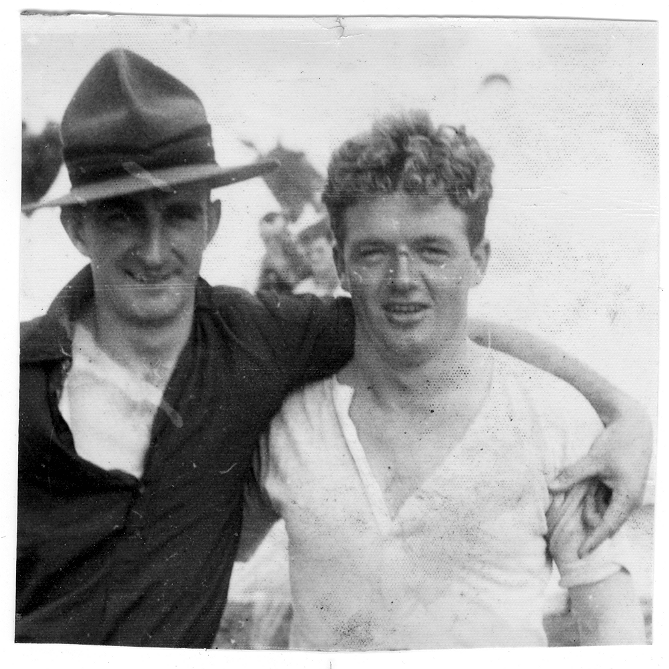
My granddaughter and I will meet outside the local school on Anzac morning.   Then we will march alongside the war veterans (there cannot be many left, but perhaps from the Vietnam War), and I will be stirred by the music on two counts.  One because I was a marching girl in the 50’s and 60’s and two because I’ve always followed the Anzac Parade, to see my Dad in his shiny and freshly polished shoes, wearing his war medals that Mum would stitch temporarily on to his suit, so they hung straight.  Now I have his medals and his Crete badge and his small barbed wire pin, remnants of his war efforts.   Perhaps this year I will wear them.   When he was alive, and after I was married with a family, he would sometimes come and stay with us and we would do the Dawn Parade in Wellington and then our own local parade.   We couldn’t get enough of it.   Nowadays, I just do the local parade and adjourn to the RSA for the home-made pikelets, sausage rolls and cups of tea, followed by an obligatory beer with my friends and we toast my Dad.     This will be my first Anzac Parade with my granddaughter.

In 2002, I travelled with my husband to Greece and to Crete to retrace my father’s war journey and to Poland where he spent four years as a prisoner of war.   I wrote about it and the story was published in the New Zealand Listener.  Regrettably, I inadvertently wrote of Stalag VIIB instead of Stalag VIIIB, and neither the Listener nor I picked it up before it went to print.

Here is a link to the story: Looking for Curly

What prompted this post about Anzac Day is one of my favourite blogs Surprised by Time.and on reading this blog I found more information about where my Dad might have been on mainland Greece, before arriving at Suda Bay for the Battle of Crete.     This is part one of a two-part blog that includes excerpts from New Zealand and Australian veterans of the Greek campaign, both on mainland Greece and Crete. It is well worth reading.

Mulling it Over

Standard

A couple of years ago, a friend of mine, Mary McCallum decided she would begin hosting poems on her blog.    It sounded like such a fun thing, and as it was around Easter, I suggested that I had a poem she might like.    Well, Mary is a very talented poet and a perfectionist.   I sent her my run-on Easter poem and we chatted via email over the weekend before it was ‘published’.     There were queries about words and line breaks and eventually, my run-on poem became the shape of an Easter cross.    Yes, I can’t take the credit for this, was the clever eye and editing of Mary.    I like the cross, and too, I liked the run-on of the poem when it wasn’t a cross.   It’s interesting how a poem can change shape and yet the meaning more or less remains.   I’m not big on overt symbolism so I worried that my poem wasn’t strong enough to carry the Easter Cross.

I am going to re-post the poem here on my blog, without the shaping, first because  it’s tricky on a blog to get the poem to stay in shape, so hat’s off to Mary, but also because I thought the poem might work in its more or less original form, as a kind of run-on.

Mulling it over

Cinnamon, cardamom, almonds

and wasps, plump imported raisins,

currants;    Uncle’s aluminium pan.

The sunlight is thinner and Maria

who is Greek is fasting; orange peel

floats in the dark pool of wine.

I add sugar and schnapps, watch

the liquid almost boil and ladle it

into warm mugs.  We breathe in

the alcohol, swat at the wasps

remember last Easter and the one

before.  We marvel at the yeasty buns

suck the sticky glaze from our fingers

and lift the pale crosses to our lips

knowing that Pilate will wash his hands,

Veronica will wash his face, a

soldier will lance his side, and that

he will chat to a couple of thieves

just before he dies.   But, it is

the triumph of the empty tomb

we most admire as we raise our

hot mugs of wine in relief, glad.

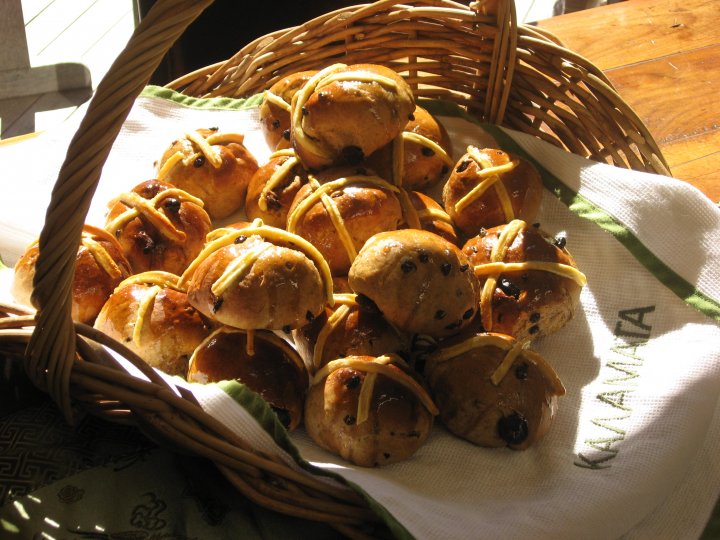
Although, I’m not religious, I love Good Friday and the poem is about the way we celebrate our Good Friday.   We have friends over to eat my home-made hot cross buns and drink our (top-secret) staggeringly alcoholic mulled wine.   It includes aquavit or schnapps, Muscat de Frontignac (when we’re feeling flush), vermouth and red wine, not to mention cinnamon sticks, orange peel, cardamoms, seedless raisins and almonds.   The red wine is usually run of the mill, or even cask red, as once you’ve added sugar and almost boiled the stuff…. well…  but one year, my daughter-in-law’s sister had just celebrated her summer wedding and there were a spare few bottles of rather nice red left over which were generously donated to the mulled wine.   Many of us, sipping that particular brew, rued the fact, we’d cooked it!    The buns have crosses, but my family get their own bun decorated with their initial instead of a cross, and now I have a granddaughter who has the same initial as her father – they are both the ‘S’ bun.   My youngest son is a ‘T’ bun, which is more or less, a cross I guess, but as he lives overseas, there won’t be a‘t’ this year.

When I say I’m not religious, this does rather omit my Catholic (leaning toward Irish) upbringing.   So, I have fond memories of Good Friday, the three-hour pageantry, the stations of the cross, the kneeling the standing, the drama.   We had handsome Irish priests to lust after, and one passionate local priest, Father Bradford who would hurl himself at the floor in true grief at almost every station, building to a heart-rending finale.   I was glad when Simon came along to help carry the cross, I loved it when Veronica wiped the face of Jesus, and we all fell in unison, once, twice three times, when Jesus fell, down on our knees, urged on by the theatrics of  Father Bradford.   But, I must confess, I was sometimes distracted by the gorgeous outfits of the girls from Waimea West by the time they laid him in the tomb.  You see, Easter was a time of religious fervor and fashion.  It was the between seasons moment when you could wear your new winter outfit, and admire everyone else, including their hats.   We were a small parish and at Easter for some reason, we would collect the surrounding countryside parishes into our church – oh, a host of fabulous fashion, girls my age whom I saw perhaps once or twice a year, and we’d all be wearing our very best brand new Easter outfits.  Yes, I loved the Stations of the Cross, Father Bradford leading us in what was I suppose, our own modest Oberammergau – we were part of the passion play, standing, kneeling, in thrall to his grief, perhaps exploring our own, and peeking, as you do, to see what the girls from Waimea West were wearing.

Postscript:

A curious thing; my links are not working unfortunately, on either this or my last few posts.  I have sent a message to WordPress and hopefully I will find a solution.   So, in the meantime, if you wish to see the poem as an Easter Cross as first published, try this http://mary-mccallum.blogspot.co.nz/2010/03/tuesday-poem-mulling-it-over.html.

Also do check out the Tuesday Poem blog which has now taken off and is a big success – so well done to Mary and all the other contributing poets.  http://tuesdaypoem.blogspot.co.nz/
Faded Beauty

Standard

Faded Beauty

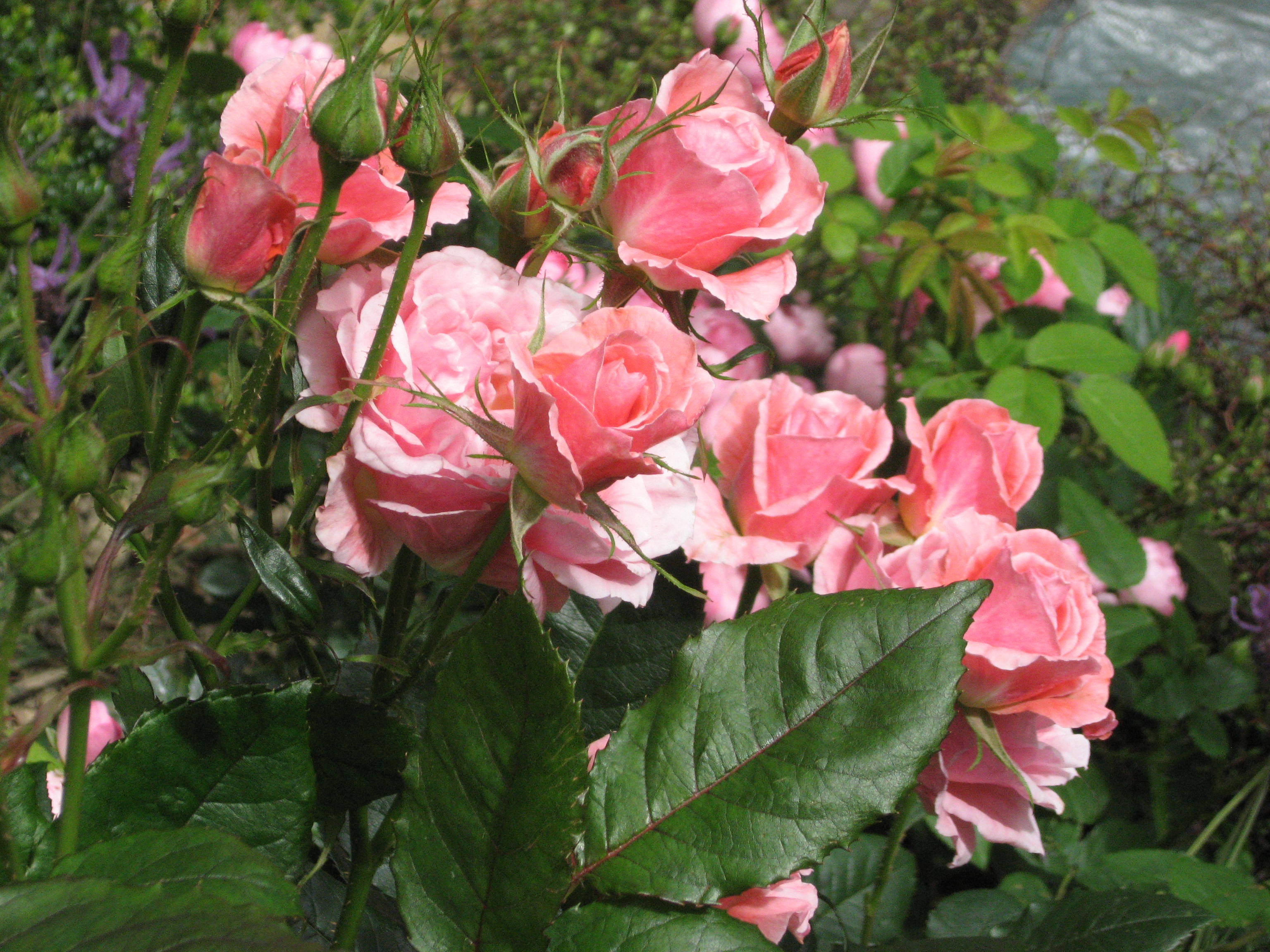
Last year, my daughter-in-law, a human rights activist in Seoul, visited my garden in Wellington and helped me to plant roses.   We planted the Kate Sheppard rose, named after New Zealand’s most famous suffragette on the forefront of the fight for universal suffrage, who died in 1934. The rose is a soft apricot-pink colour, sturdy, tall and upright and appears to flower once a year.

This week in our local newspaper, a story featured about a woman they called the ‘faded beauty’.   A sad story.   Her husband was on trial for assisting her suicide and the good news is that later in the week, he was found not guilty.   But it wasn’t that aspect of the story that moved me to write this – it was the woman’s story, her great sadness at the passing of her beauty and her inability to live without it.  This ephemeral and much sort after blessing of beauty that for the very beautiful, must eventually, if they live long enough, become a curse.    For without Botox, face-lifts and collagen, it is impossible to maintain the perfection of youth.   And now, with Botox, face-lifts and collagen, we have a growing mass of startled baby-boomers, with smooth brows, widened eyes and impossibly pumped lips.   It’s a frightening generic sort of face, that lacks laughter lines and grief and as so acutely described by Anne Enright in her novel ‘The Forgotten Waltz’ “Indeed, a couple of women in the room had the confused look that Botox gives you, like you might be having an emotion but you couldn’t remember which one.”

This week too, I reviewed two coffee table books for the Good Morning Show  – both featuring attractive, older blonde women on the front covers.   One was ‘Absolutely Joanna’ by Joanna Lumley, in her early sixties, a blonde and fading beauty whom we all love for her role as Patsy in the Ab Fab series, and of course, we recognise that she sustains this fading beauty with the aid of either Botox or collagen or both (and perhaps a lift here and there).   The other book was ‘Pippa Blake – a Journey’ featuring the wife of our yachting hero, Sir Peter Blake, killed so tragically ten years ago.   She too is blonde, in her mid to late 50’s and showing a more natural countenance, the normal lines of life.

Joanna’s book is primarily about her famous life with plenty of photographic images of her absolute beauty as a young woman, her modelling career and her television fame.   It is framed by the story of her British Colonial heritage (born in Kashmir) and ends with her more recently high-profile successful campaign for residency rights for the Nepalese Gurkhas in Britain.     We love her, of course we do, and we don’t mind that she wants to stay beautiful, because it’s part of who she is – we forgive her the slightly startled, slightly scary, almost-parody of beauty.   She is boastful and self-deprecating all in one hilarious breath, and the photographs of her modelling career are a stunning look at fashion for any nostalgic baby boomer.

Of course, we all have preconceptions about famous people and in particular ageing blondes (well, I do) – that’s because I’m an ageing brunette with the aid of my six weekly magic-shampoo.    What is it about being blonde and ageing?   Well, there’s a certain cliché I guess, that is merely a broad brush stroke and wildly inaccurate.   But still, there is an ideal that women strive for and men admire, and other women who aren’t so blonde and attractive may scoff at.

Pippa Blake is no ordinary ageing blonde.   She is the bereaved (ten years) wife of one of our national heroes, she is one of us, an honorary Kiwi, intimately involved with the America’s Cup campaign when we won the silverware for the first time, bringing it home to a raging red sock welcome.   As such she is most probably one of our national treasures, although we know very little about her.

Her book about a journey through grief written to coincide with the ten-year anniversary of Sir Peter Blake’s death is an impressive read.   It dispels all myths about privilege, beauty, the yachting world and any other clichés that might have skipped through your mind as your thumbed the book shelves in your favourite book shop.  You do not have to be the least bit interested in yachting to find this book a most impressive read.   By exploring her very public grief, she rediscovers the artist in herself.  It is this journey that is for me the most fascinating part of her story and by the end of the book there was real emotional eloquence.   When she writes of her life with Sir Peter there is warmth and joy and true love, but there is a distance… when she writes of her journey through grief and her art, she unravels for us real intimacy.

I was moved to write this blog, thinking about the beautiful local woman from Eastern Europe, Eva,  ‘the faded beauty’ who had married well, raised a family (for some of us the greatest reward), but still, this wasn’t enough.  In fact, it seems she was estranged from some of her children.  How sad would that be?    Why is it that we lust after the ephemeral, trying to pin down something about our exterior that we hope reflects our interior, but somehow never quite does.

I’m 61 and now I’m noticing the lines I hadn’t noticed before, in myself, in my friend’s faces, and back again at me reflecting my age through them, their age through me, a mirror to our lives.   I dye my hair but I don’t plan to have a face-lift or use Botox, but some friends I know have begun this already – I wonder how they will negotiate this with frozen smiles, widened staring eyes, and emotions never quite expressed on taut faces.    Don’t you love old faces?    Some of the most beautiful faces that I know are the images by Marti Friedlander in Michael King’s original “Moko” – strong Maori women sporting beautiful moko, striking, handsome, powerful, lasting images.

I mean no disrespect to the bereaved family of the woman who inspired this post.  I feel great sadness for her and wonder if I ever saw her, took a second glance, noticed her beauty, honoured her one day in town with a second glance, out shopping, or catching a bus…    If that is what she craved, I hope that I did.   The tragedy is that now her beautiful life, the one she craved, has become public and like any beauty, when one tries to pin it down, to hold it, to name it, to own it, the beauty becomes elusive, impossible to know, fleeting, unsustainable.   The woman’s son is quoted saying that his father had loved her more than any sensible person would have. “I don’t think anyone could have done more than he did.”

It seems perhaps this woman had an interior beauty that she was unable to embrace.

Learning to sing

Standard

There is something quite extraordinary about discovering your voice.    Although…  to be fair, my journey of discovery has only just begun.   For years I have sung my heart out, but always with the knowledge that I was out of tune, “flat”, unable to match pitch.     I didn’t know it was called matching pitch, until last weekend.     I didn’t even know what a major scale was … perhaps it is no wonder I couldn’t always match pitch.

Well, what joy I had at the Reclaim your Voice workshop with the help of Nikki Berry and Gary Easterbrook, and seventeen other extraordinarily courageous women over a weekend at Turnbull House in Wellington.    We were warned on the Friday night that it would be an interesting journey and that perhaps there would be tears.   Well, I thought to myself, tears there may be, but not from me, because I don’t do ‘crying in public’ unless of course, it is a funeral.   And this was no funeral.  I had booked to reclaim my voice.   I’d been assured that this was definitely a workshop for people who couldn’t sing and not as happened when I tried to learn French and the people in the Beginners class all turned out to have studied French at school, or university.

As it turned out, some of the people in my singing workshop, actually sing in choirs, and on hearing this during the obligatory personal introductions, I felt the terror rising.    But, it turned out we all had a level of terror, even the most beautiful of our voices was constrained by some inner critic, childhood memory, grief, or embarrassment.   I was quite shocked to hear women who to me sang like nightingales, who didn’t believe they could sing.   At least my terror was somewhat more warranted.   But then too, some of my own fears were manufactured, as it turned out to my great surprise and delight, on the first round, solo, I matched pitch.  I got the thumbs up from Nikki.   I was taken aback, but found very quickly that Nikki Berry doesn’t do thumbs up when it’s not warranted.

Over and over, throughout the weekend, we sang solo in front of strangers, who became friends, shed tears (sobs sometimes), as our voices emerged, tested new styles and we sang, belt, twang, sob, falsetto… mostly new terms to me but the sounds were amazing.    People surprised themselves first and then the rest of us.  I was filled with admiration for the women who took courage in hand and wanted more, even when their voices sounded beautiful to me, they wanted more.    They stood alone in the room, encouraged by Nikki, took risks and we applauded with our laughter, and often our tears of joy for their achievement.

Don’t go away.   This isn’t therapy.   Hubby was puzzled when I told him how much I had cried.   He enquired was it singing lessons I had enrolled for?    Yes, before this weekend, I might too have looked a little askance at someone telling me how much they had cried learning to sing.     Well, as it turns out, laughing and crying are a great start for the vocal folds, and once you’ve released all that air and emotion, something beautiful happens (eventually, and after a few false starts and horrible noises), music happens, clarity occurs, voices surprise their owners.

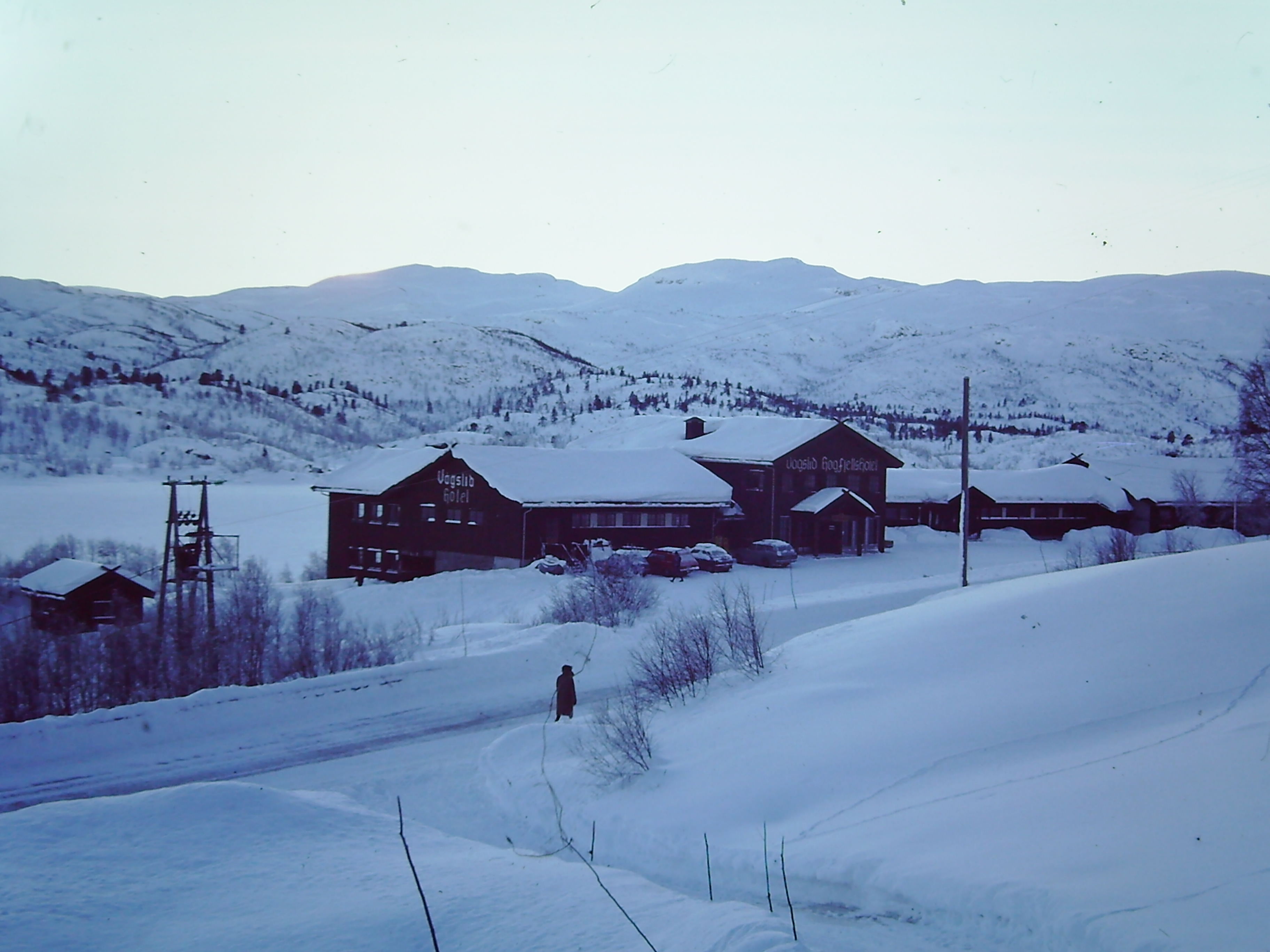
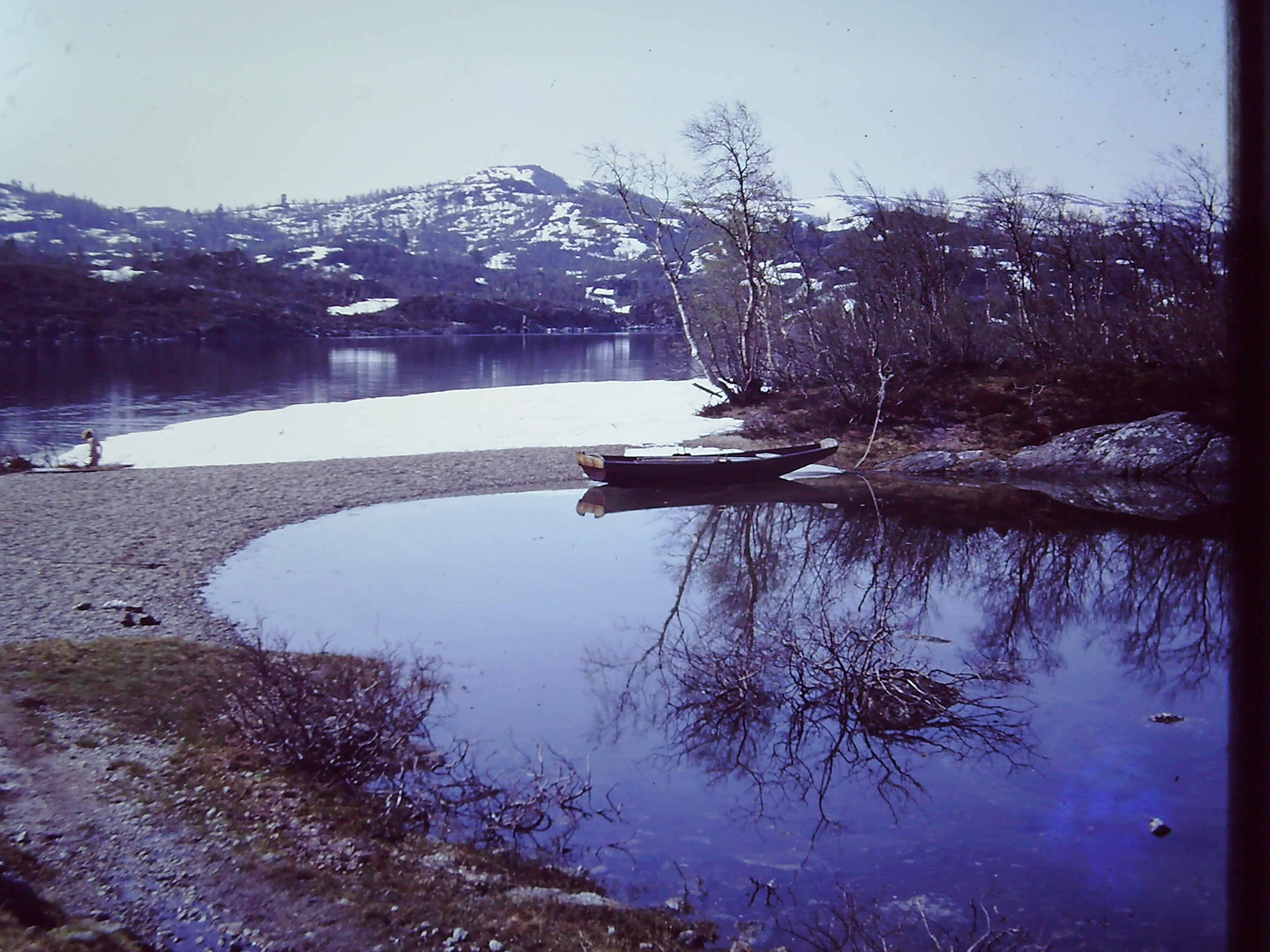
I thought about what happened over the weekend, and it reminded me of skiing.  I learned to ski as a young adult in Norway  on a working holiday in the early seventies, in the Haukeli Mountains on what was then called the E.76 highway between Oslo and Bergen at the Vagslid Høgfjellshotell .   I had no fear of failure back then because I was so excited to have this opportunity.   Falling was just part of skiing and the snow was metres deep and the world was at my feet.    Then I returned to New Zealand and had a family in the late seventies and began learning downhill skiing, so very different from cross-country.   My fears began, I didn’t want to fall, my technique was wrong, and I was self-conscious.   My progress at downhill was so much slower than my first foray into skiing as a young woman on her OE, unencumbered by expectations and fear of failure.

But too, something else about skiing and singing…  If you’ve ever been on a crowded ski field and stopped to listen, you will know what I mean.  People don’t compete (perhaps some do), but the average family skier is just so thrilled to make it down the hill trying out a few new turns, tackling a slightly trickier track.   Over and over you hear people saying ‘did you see me’…. with joy, as much as pride… did you see me … they’re not looking at the other skiers, they’re so excited at their own unexpected progress and their families and friends are happy to applaud, agree, be delighted with and for them.

It felt like skiing a little, when I learned to sing this weekend.   Everyone seemed as happy for me as I was for me, when I sang on one note, then two notes, oh my goodness, I can sing on five notes… we were all engaged with each other and our progress was not in comparison to one other, but simply about each person’s individual progress, in comparison to their expectations (whether just meeting them, or going beyond).

Turnbull House in Wellington, lends itself to the intimacy needed for this sort of workshop.  It was here, back in the late nineties that I read my very first poem in public.  I’d just finished the undergraduate Poetry Course run by Greg O’Brien at Victoria University, and our class was invited by the Poetry Society to read.   I turned up with my whanau (husband and two sons), and the rest of my class just turned up and I recall one of my sons, who is now a builder, told me that he endured the boredom of the poetry readings by counting the ceiling panels or some such detail.  It seemed fitting that my first solo public singing, was also within these walls.

And so, I am writing to thank the extraordinary women who shared my singing journey this weekend, for their tears, for their laughter, for their courage, for their beautiful voices.   Of course, none of this could have occurred without the insightful, grounded, guidance of Nikki Berry, a talented teacher and singer.   Nikki generated an environment that was completely safe for all emotions and enabled us to take risks with our voices and our hearts.    I felt at times for Gary (the only male) who so expertly accompanied us on guitar and piano, exposed to so much joy and grief and laughter among so many women, but he didn’t seem to mind.   Evidently there are usually men too in these singing groups but for some reason, our group was all women.   Maybe this allowed more emotion, who’s to say, but it is true, that the emotions propelled the singing and made our journey all the more valuable.

If like me, you think (or know) you can’t sing, take a risk, enroll in one of these workshops and be surprised.    Oh I won’t kid you, I’m still singing out of tune, but now I know how to find that voice, how to match pitch and I am practising.  I have a song to sing to my granddaughter, and it goes like this.

http://www.libbyroderick.com/

Sir Patrick Leigh Fermor

Standard

This morning, I opened my computer to eleven emails alerting me to the news that Sir Patrick Leigh Fermor has died.

In 2007, I had the great good fortune to catch a bus to The Mani, seeking inspiration for my third novel, a Greek New Zealand story for which I am currently seeking a publisher.   Believe it or not, back then, I had not heard of Sir Patrick (call me Paddy) Leigh Fermor.   I was living in Kalamata in the Southern Peloponnese for two months, searching for the muse, and one day I caught the bus to the Mani and stopped in Kardamyli and ended up staying there for ten days, and discovering not only Paddy’s book on the Mani, but the man himself.

The article I wrote about this encounter was published in the Herald on Sunday

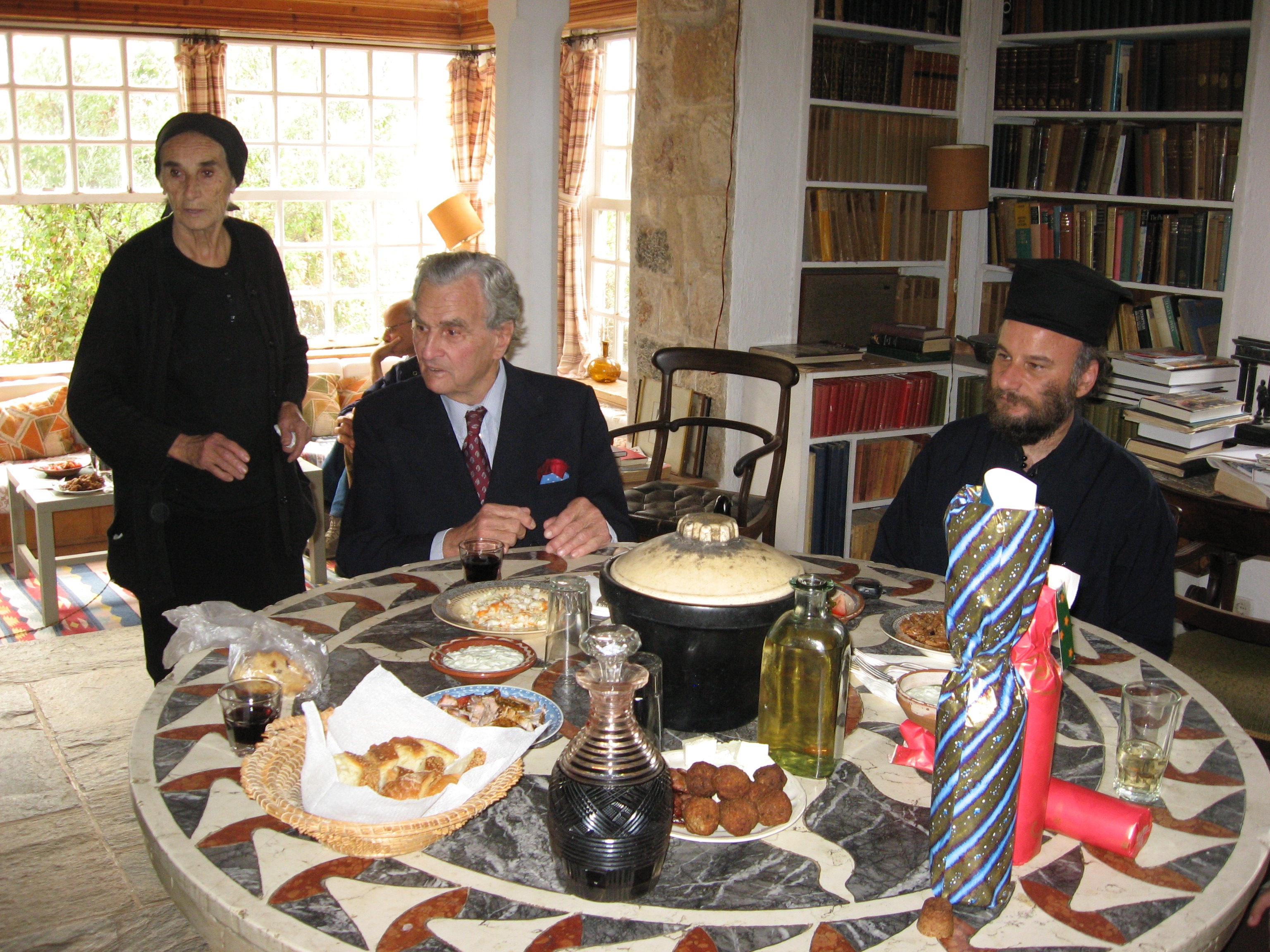
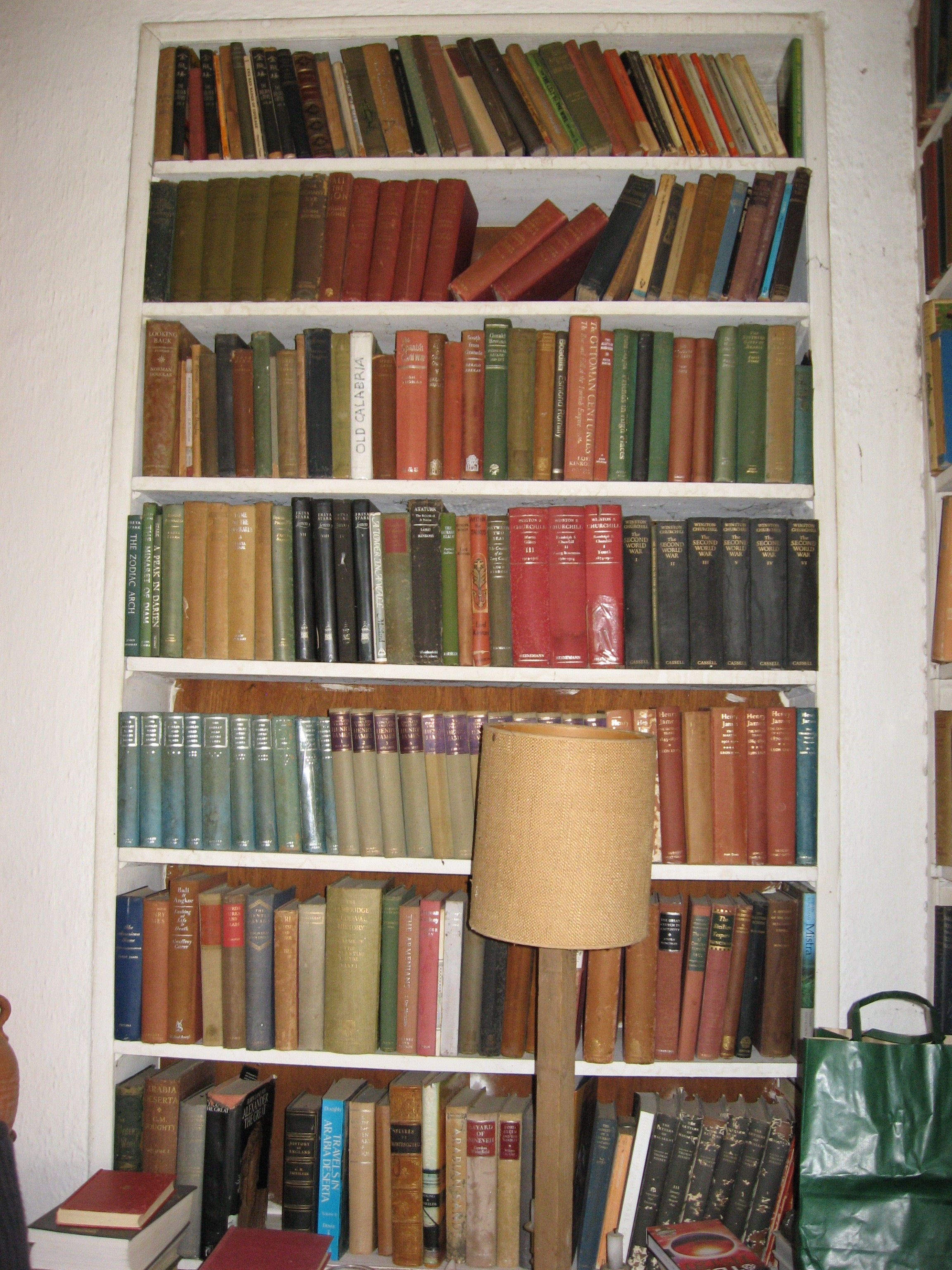
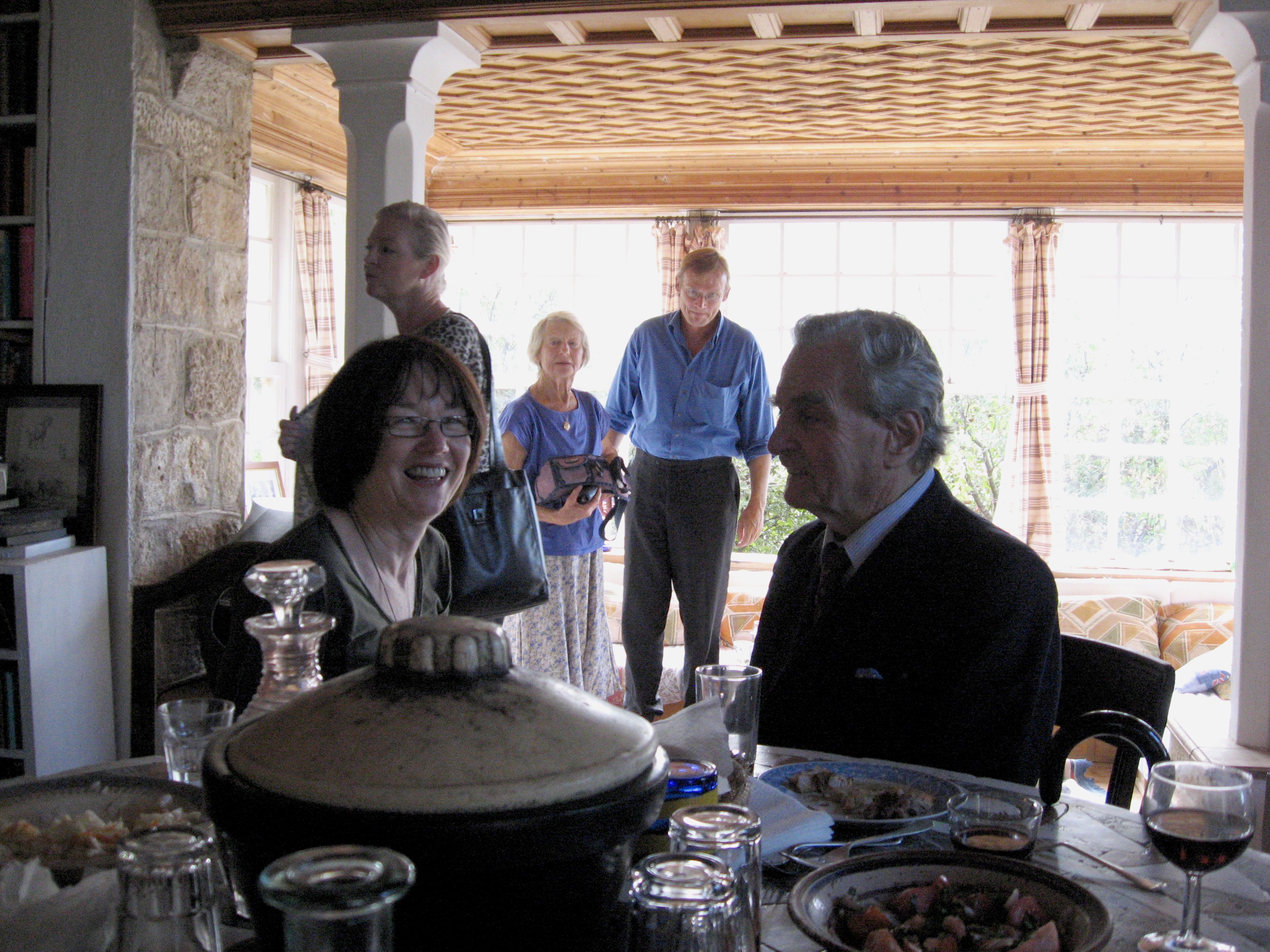
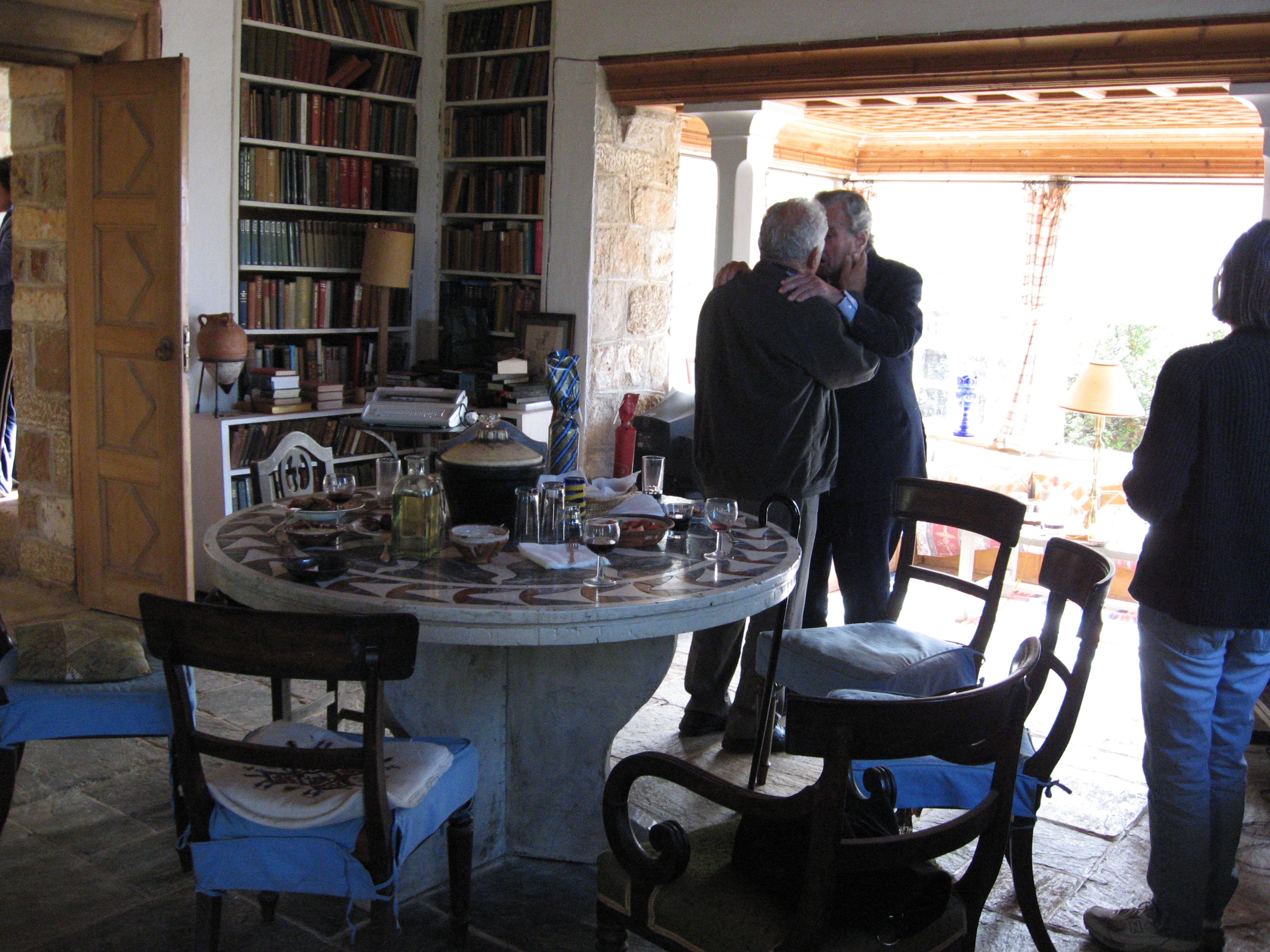
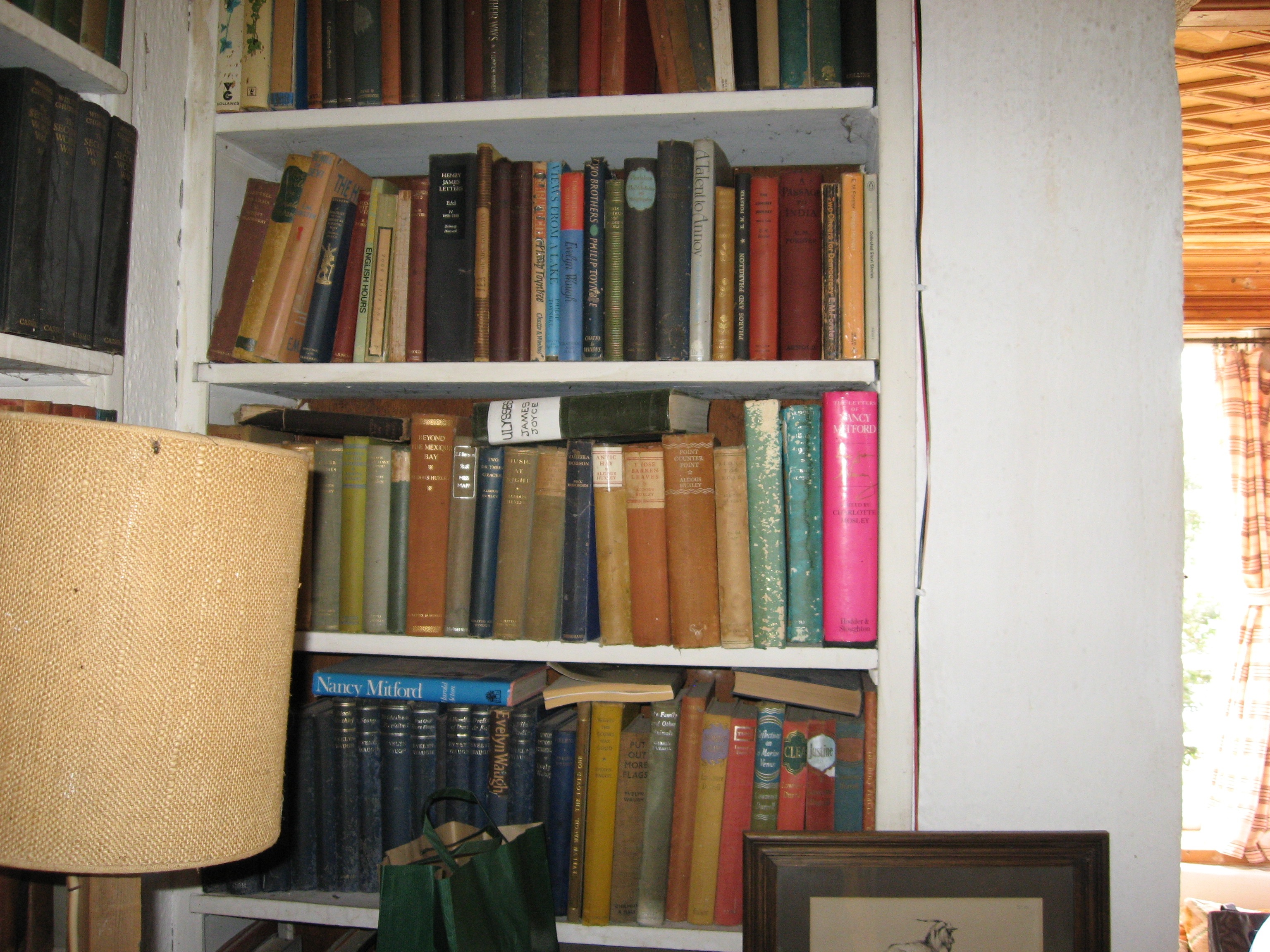
At Paddy’s house, I took several photographs both inside and out, but felt afterwards that perhaps I had naively overstepped the mark taking such liberties.  I was so excited and had no thoughts of writing an article or publishing photographs, just in thrall to the man, his writing and his beautiful home.  Today it feels like the right time for me to share my amazing morning with the man himself, his generous hospitality and indeed, his bookshelves.    I hear that his home has been purchased by the Benaki museum, and so hopefully this will mean that many devoted fans, travellers, and writers will get the opportunity to pay homage and visit this beautiful sanctuary, of a much loved Englishman, war hero, practically a Greek Saint, the man from the Mani.

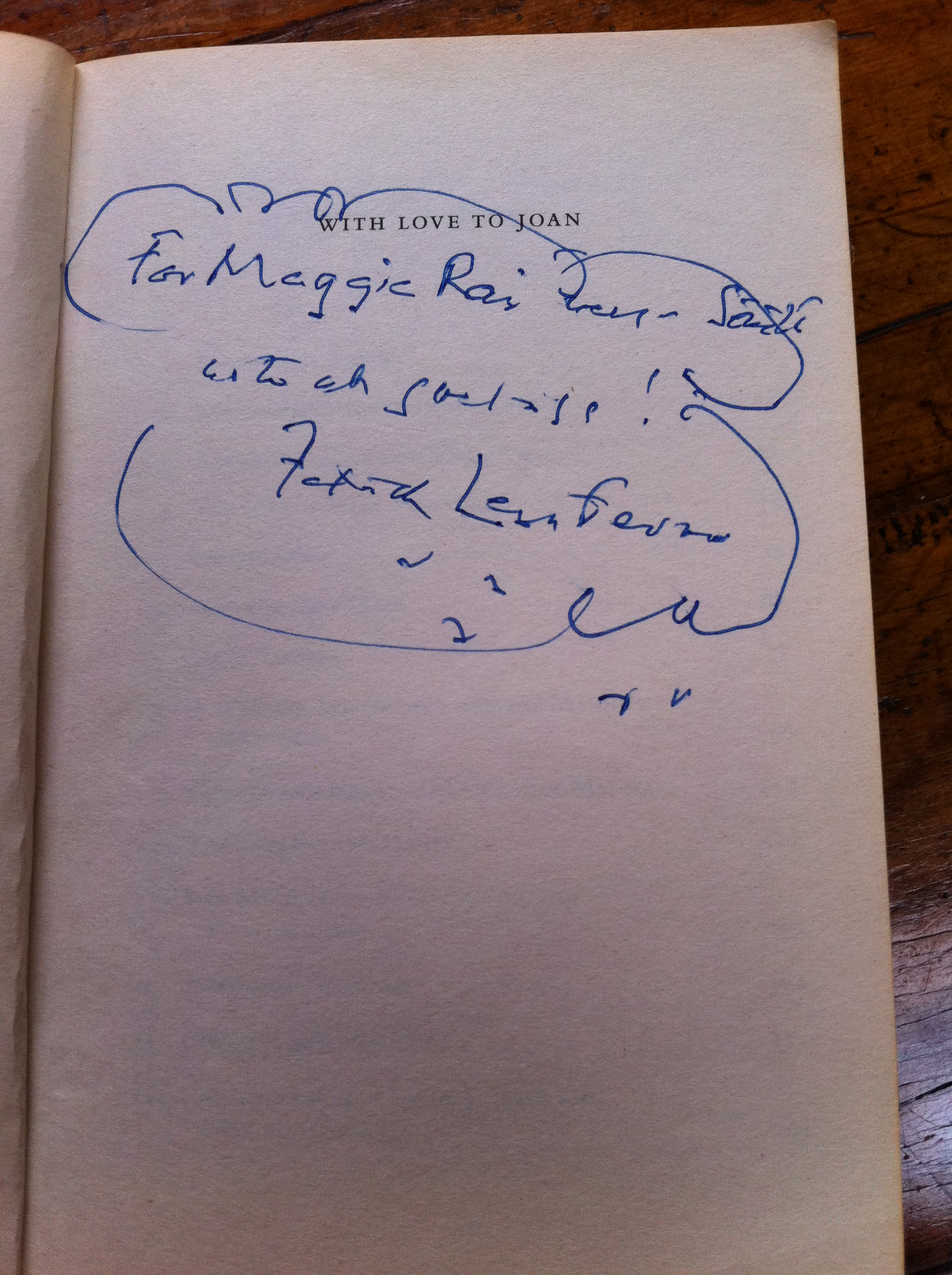
and this is the inscription (which I have never quite been able to decipher, even with the help of Greek friends

My photos, taken on Paddy’s Name Day in November 2007 include a few movie clips of the local women singing and at one stage Paddy pretending to fire a pistol.  I have hesitated in the past to post any of this intimate and personal images, but because Paddy has died, I am hopeful that the locals featured in these clips won’t mind being part of history.

And, here is a link to an obituary by Artemis Cooper

The Wild West – Yosemite

Standard

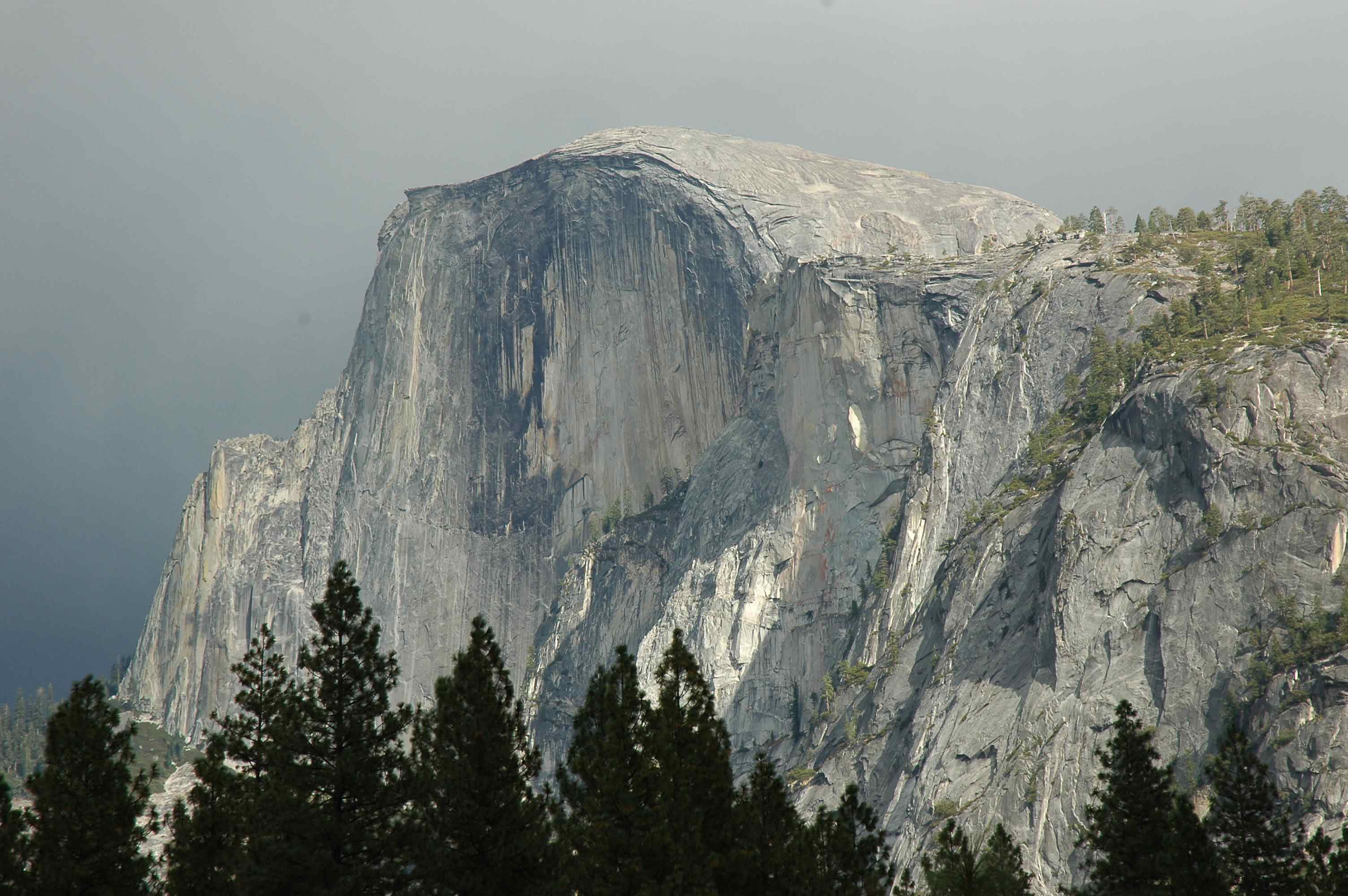
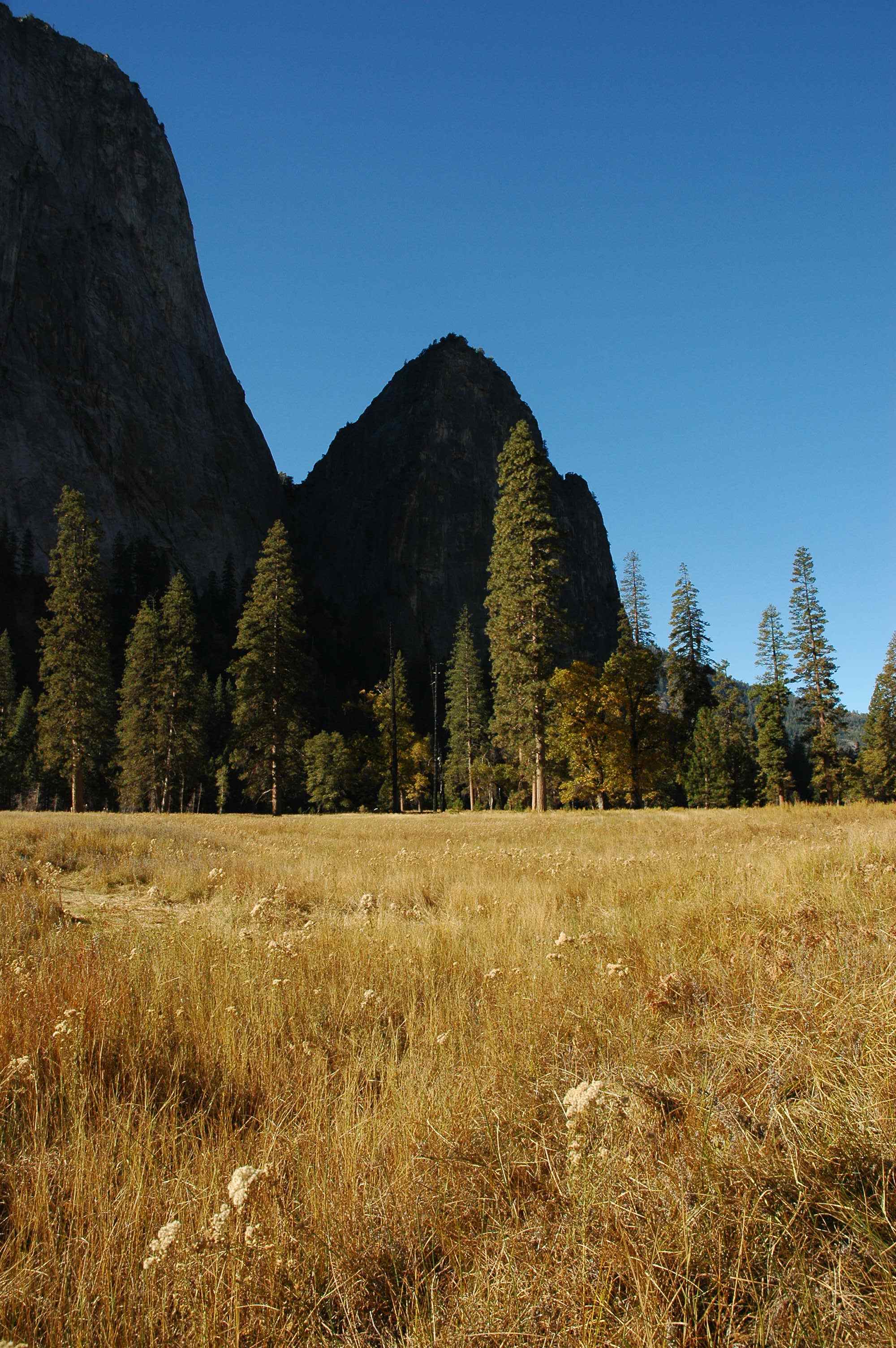
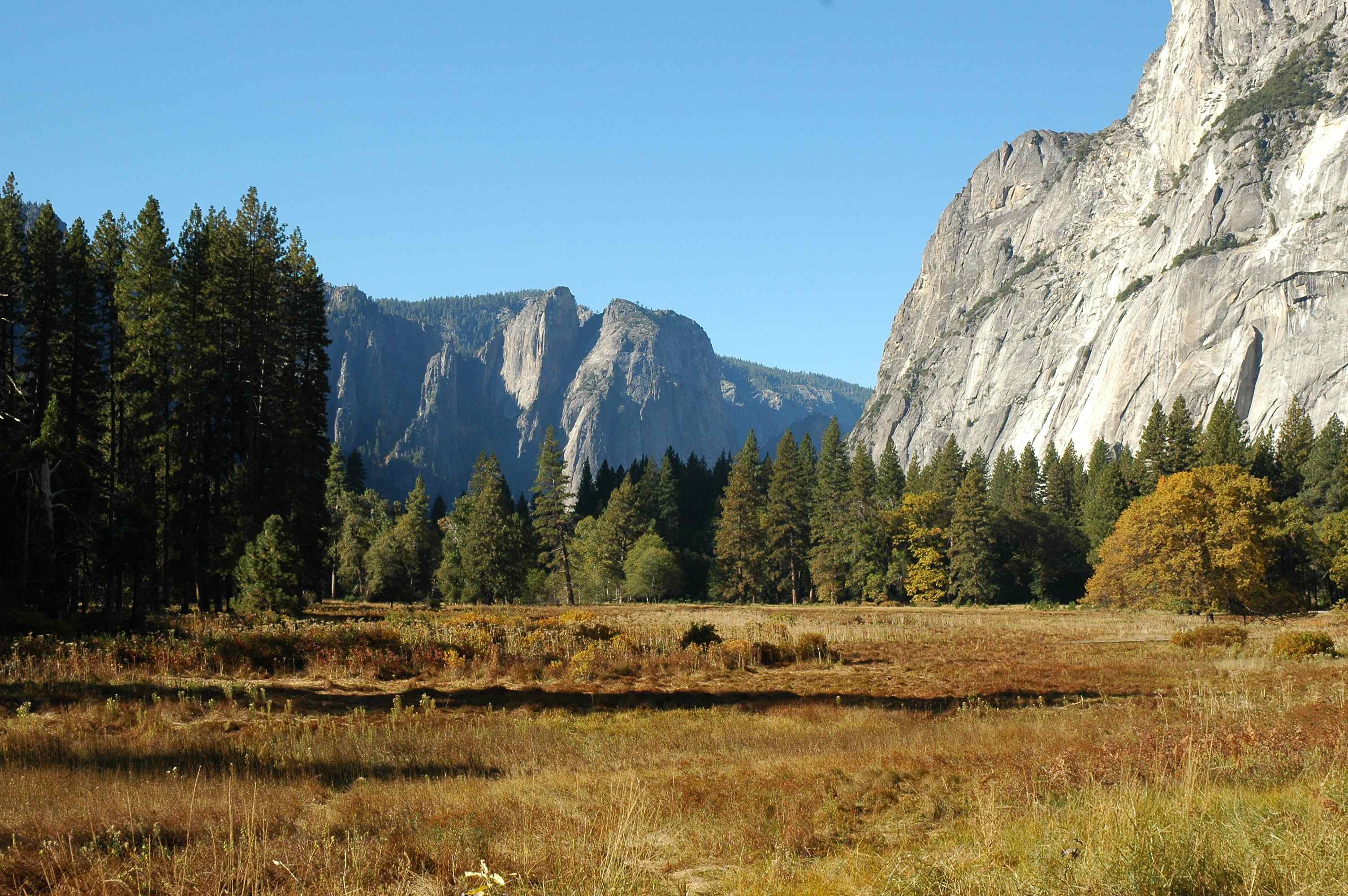
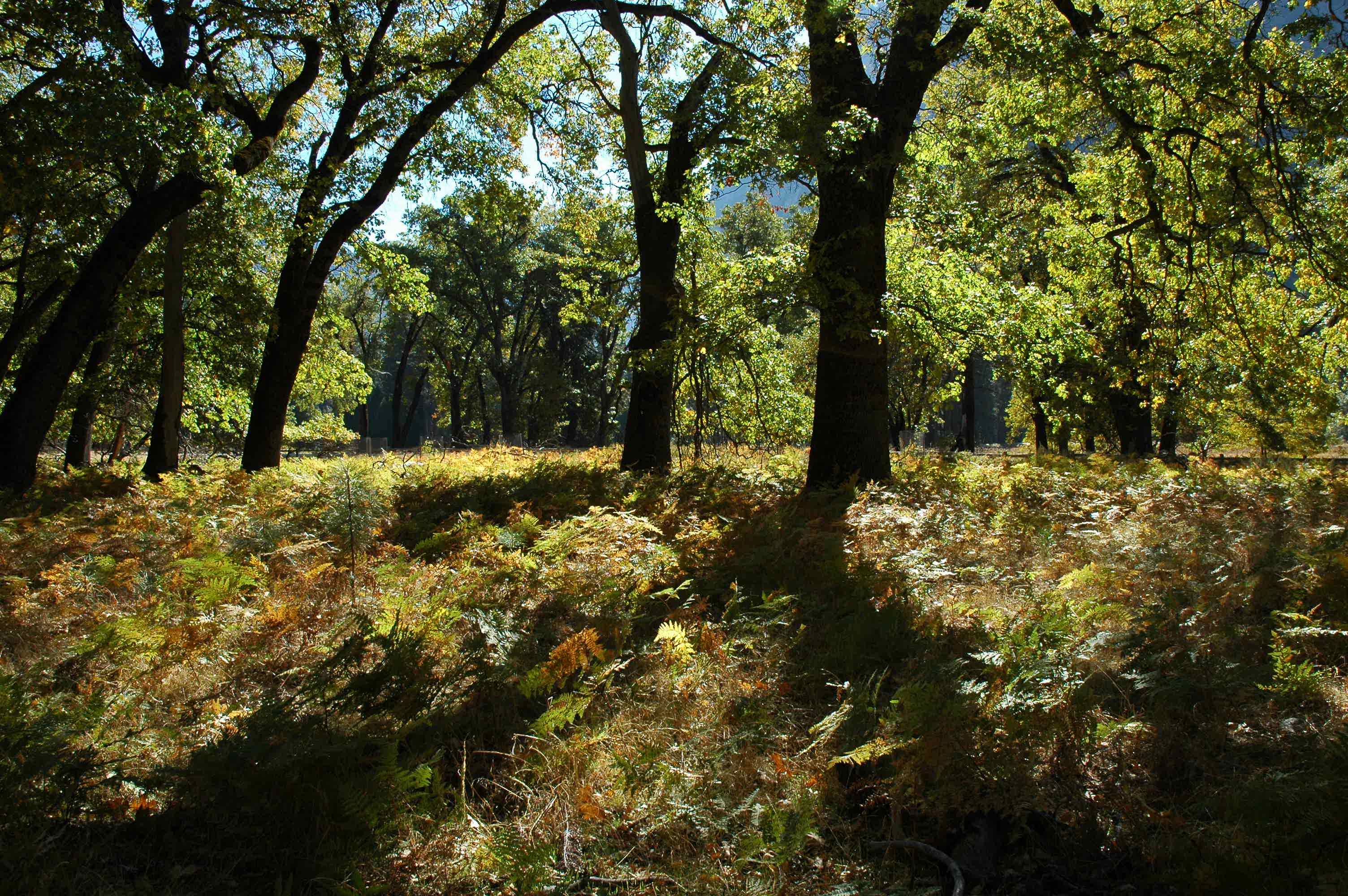
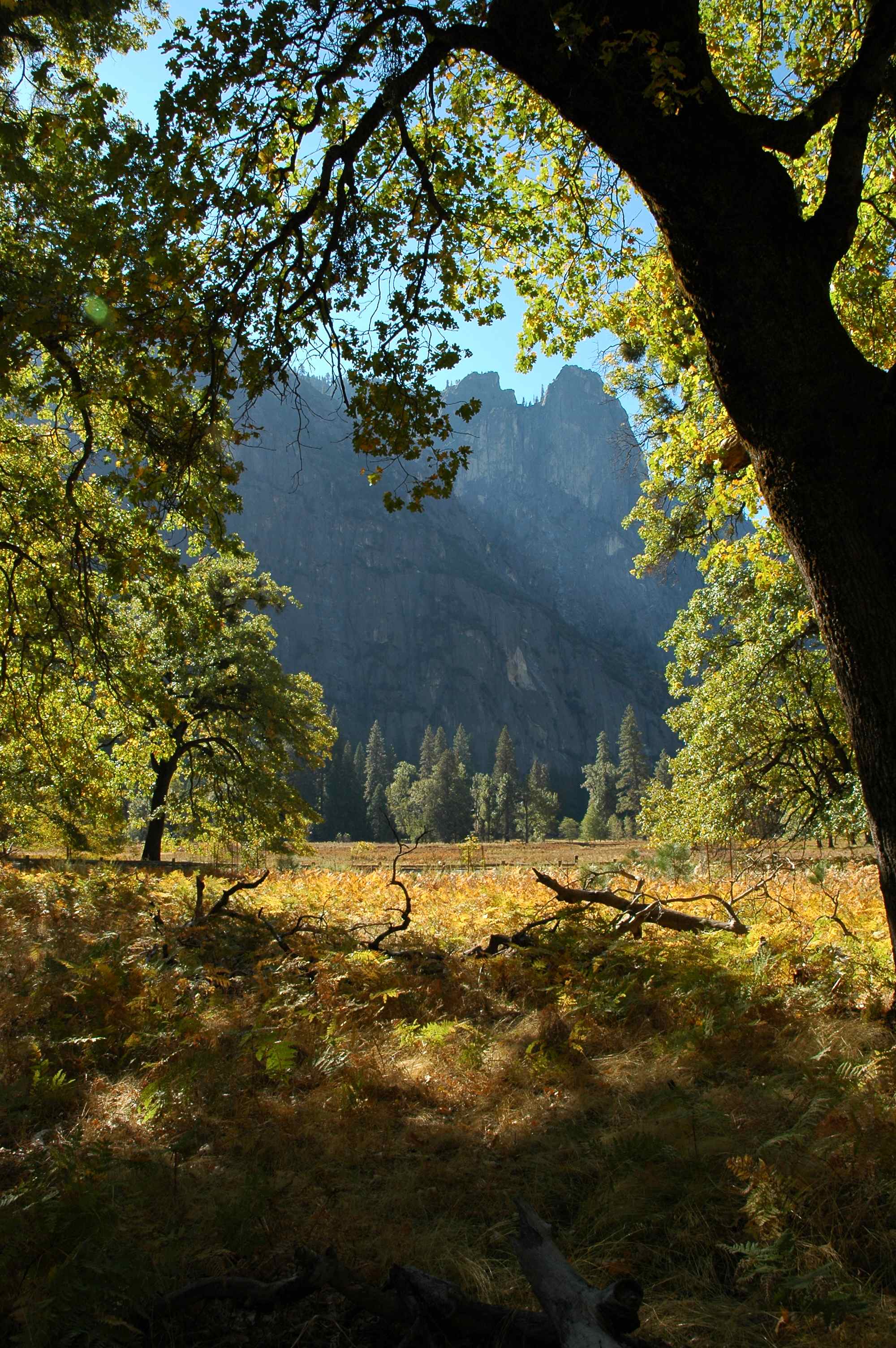
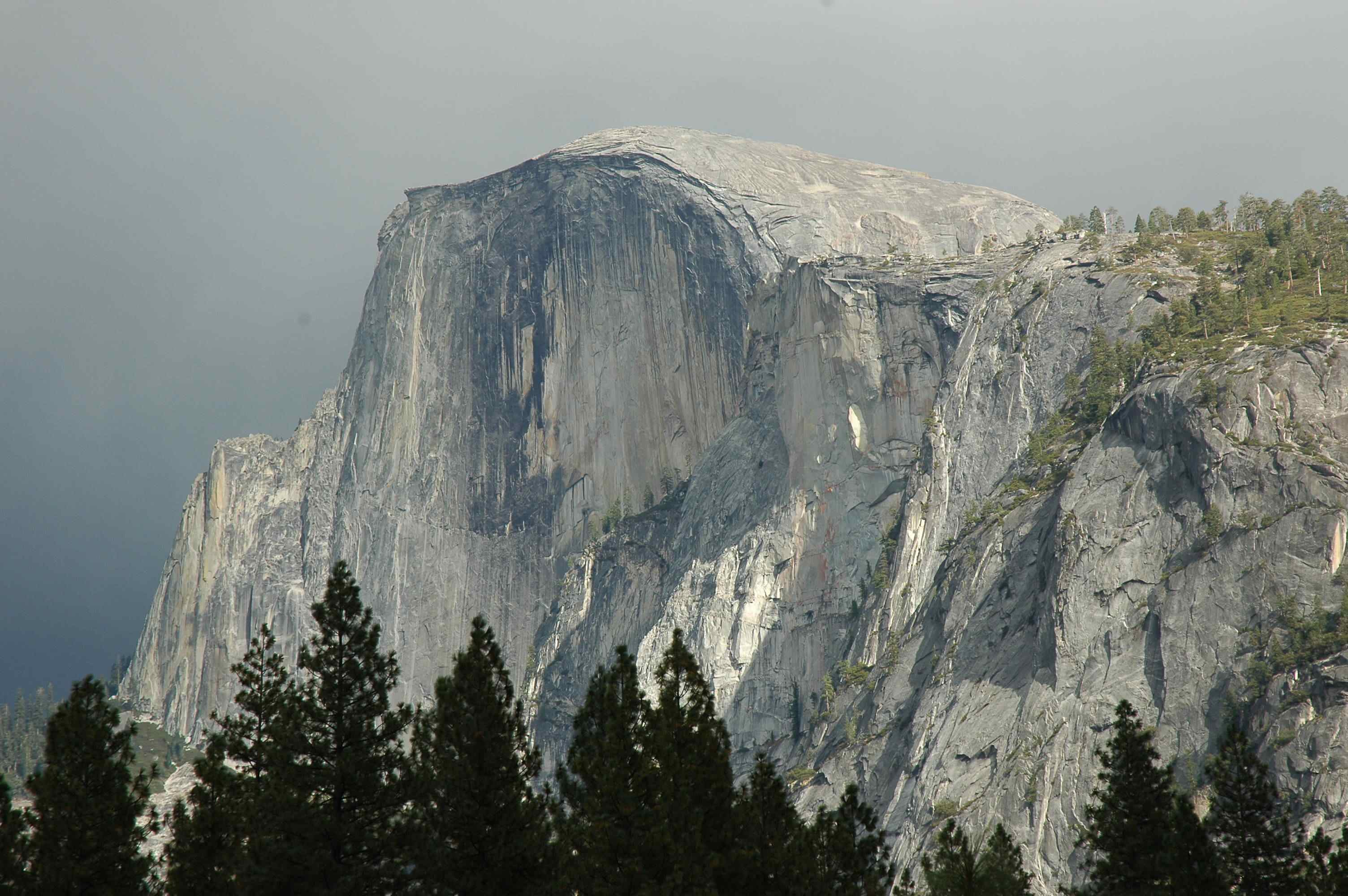
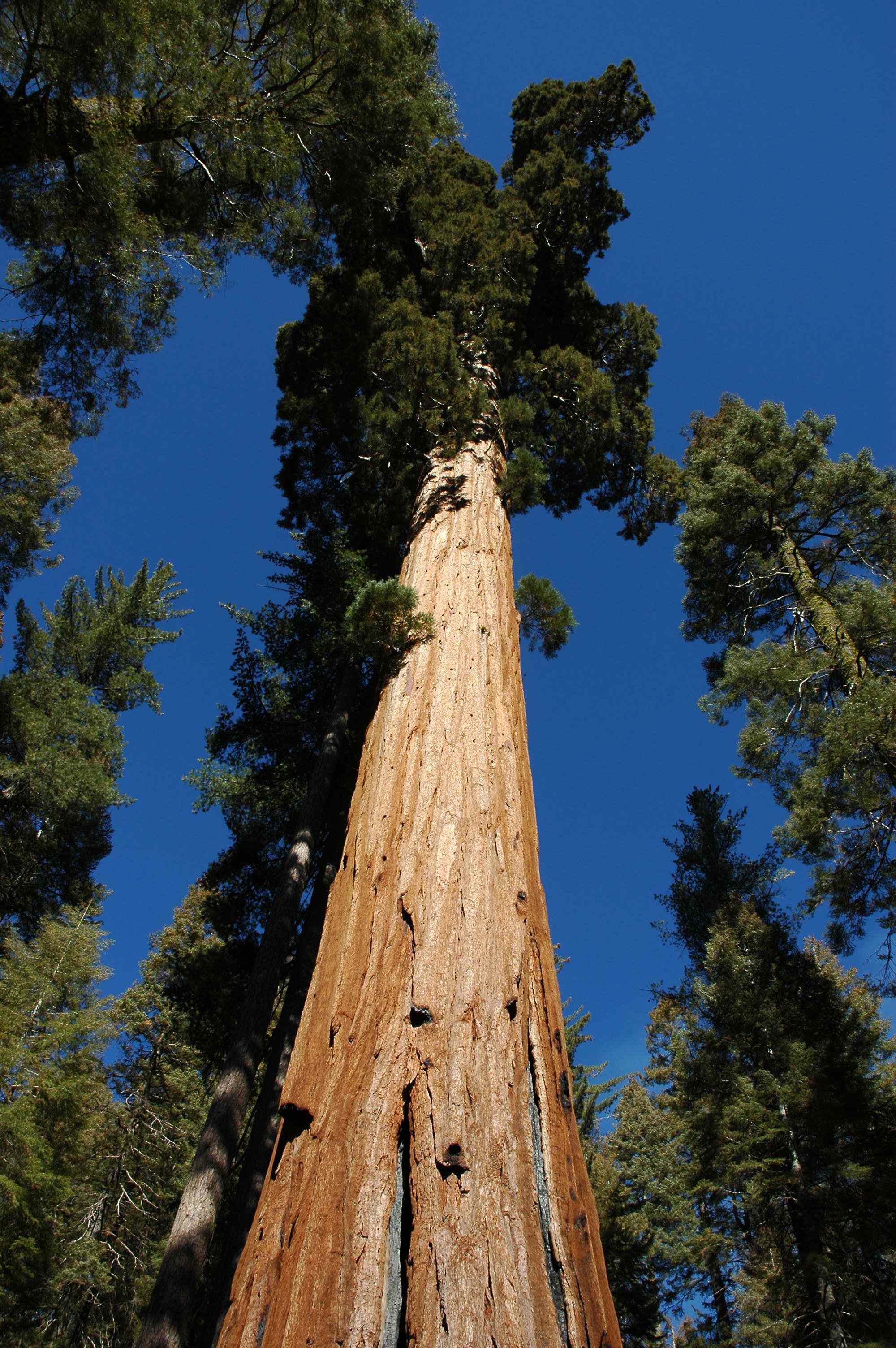
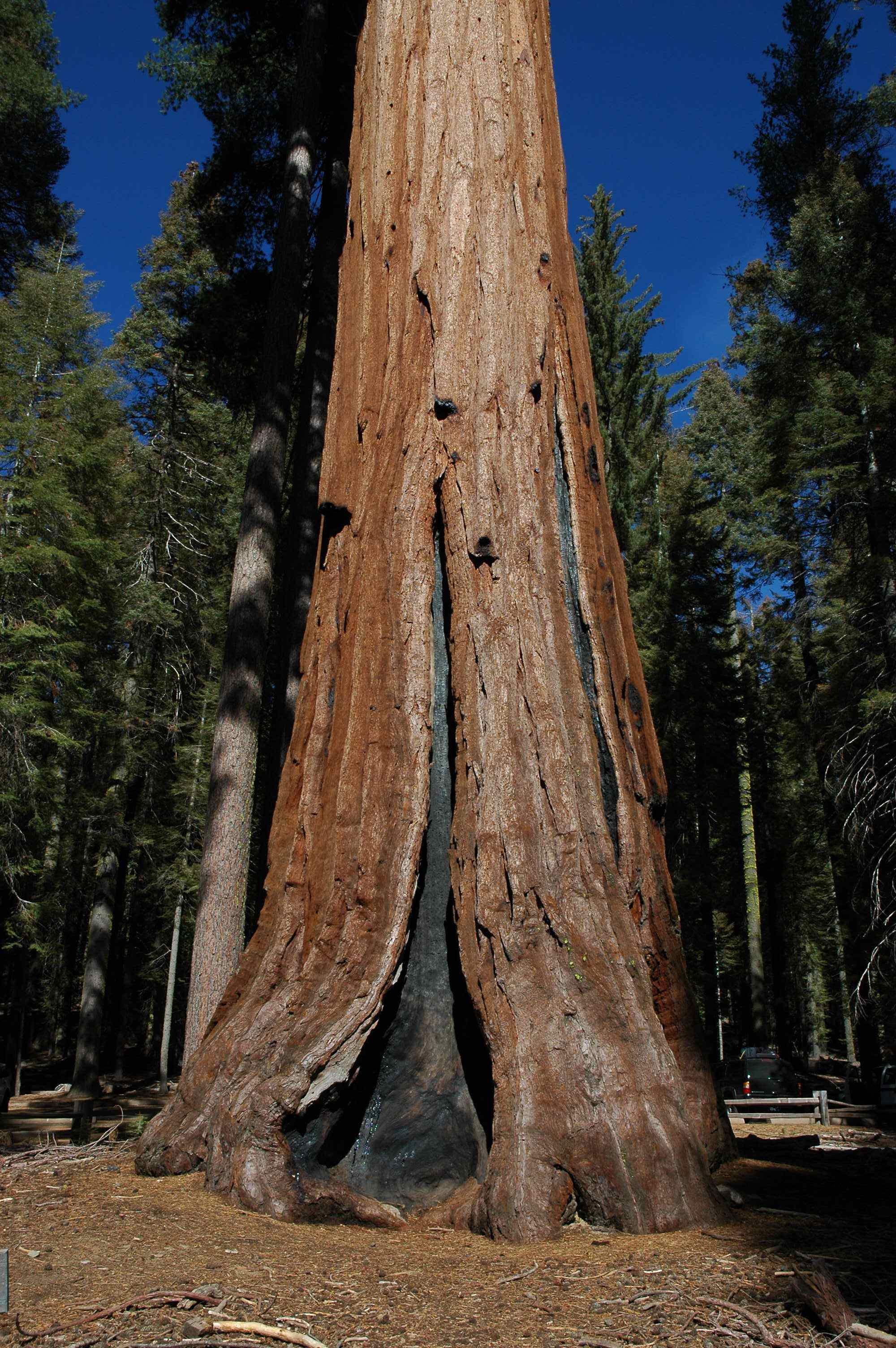
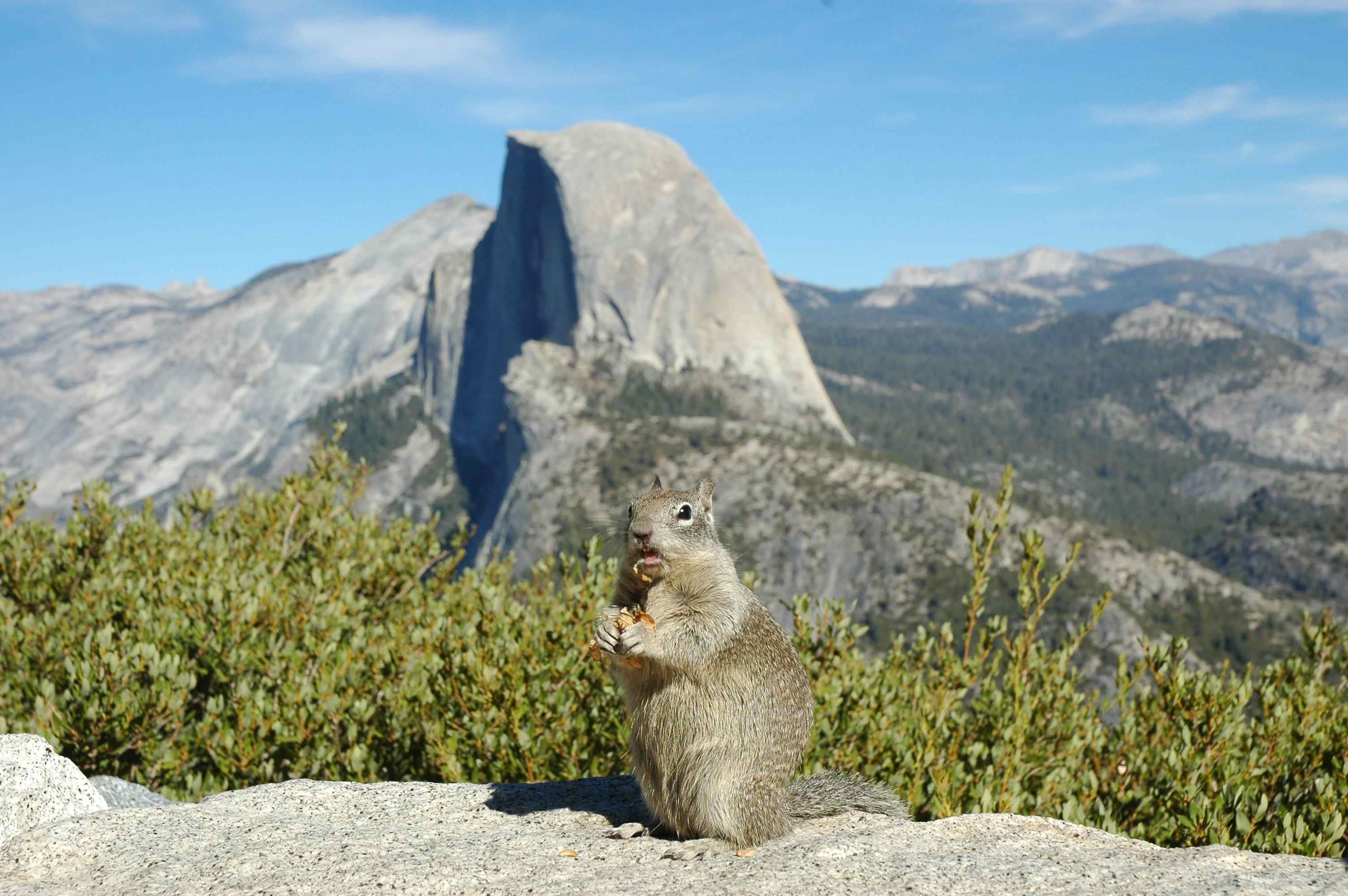
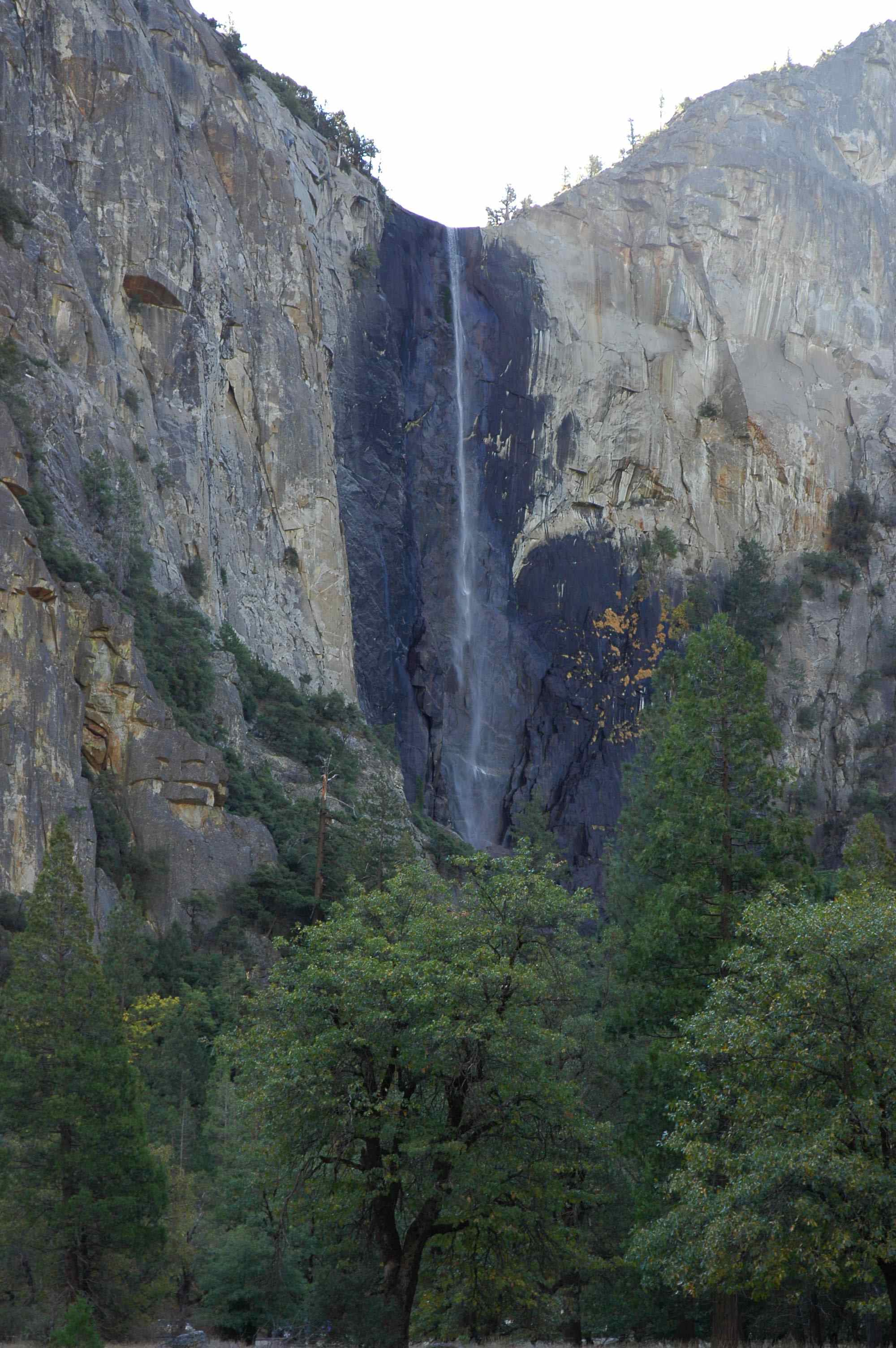
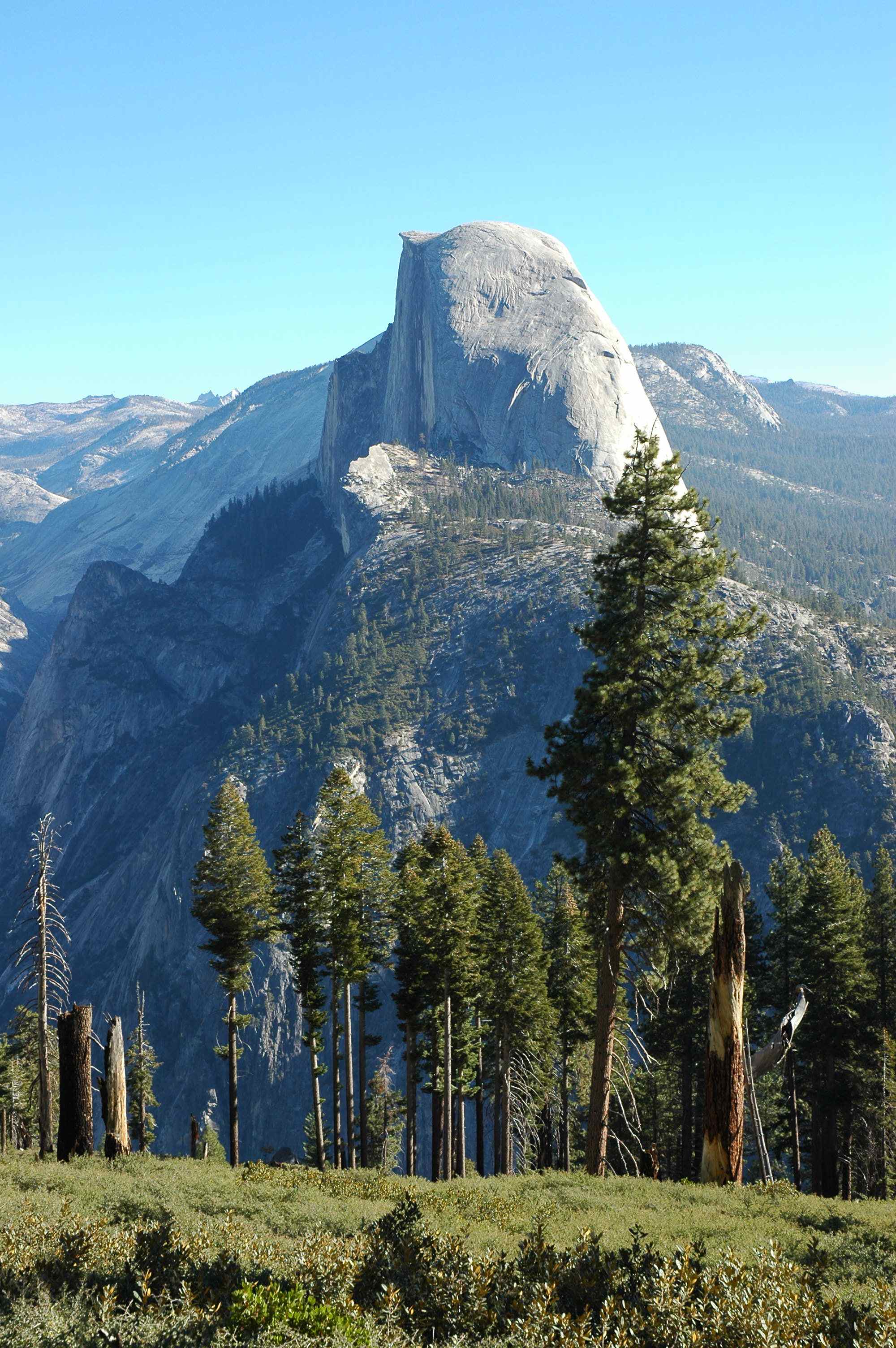
I wrote this travel essay some time ago, but now I have a blog and so I thought I would publish it, along with some of the splendid photographs taken by my husband John Rainey-Smith

The Wild West

Yoh-see-might… No, no, no. Say Yo, and hold it. A long, lazy Yo. And then semite like cemetery. Yosemite with the emphasis on yo! Our bus driver was speaking in a slow, articulate drawl, and thankfully, he was taking the perilous corners in just the same manner. We were passengers on the early morning drop-off at Glacier Point, about to begin our trek into the wilderness in the ecological wonderland that is Yosemite National Park.

Friends from home had raved about this part of the world to us; boasted of conquering Half Dome (albeit crawling on their bellies) or hiking solo to the top of Yosemite Falls and sleeping out to catch the sunrise. We thought we were prepared, but nothing can prepare you for the astonishing geography of Yosemite, nor the dedication to conservation that the park exudes, the sense of something sacred. This is after all, America, and we, as supposed Green Kiwis, are used to the pointing the finger.

Astonishment is not limited to the grandeur of the scenery, but starts when you park your car on the valley floor and read the notices – Don’t feed the bears.

This piece of advice sinks in when checking into your accommodation and you are asked to sign a waiver, declaring that you have left not a skerrick of food in your car or you will be liable for a fine of one thousand dollars. We are regaled with stories of cars ripped asunder, and indeed, according to recent legend, an entire wedding cake, consisting of several tiers, left in a car outside the historic Ahwahnee Hotel was demolished along with the car.

We are warned that even a tiny crumb of chocolate in our car boot can lead to forced entry through a window and our car being ripped apart in the quest for food. It is autumn and hubby who normally eschews warnings such as keep of the grass (unless he can be convinced that there is a valid reason to stay off the grass) reluctantly concedes that the bears might indeed well be on the prowl and storing food for hibernation. And so, we carefully comb our car for any stray morsels of food, and debate momentarily, the risk of a lone peppermint and in the end decide not to tempt fate or indeed our wallets.

Now that we are officially registered and have signed our waiver, we deposit our luggage in our room. Our accommodation is similar to perhaps a budget ski lodge in New Zealand and the only touch of luxury is the ice-machine in the hallway, where cubes of ice fall in generous satisfying chunks, except we have no need of ice (no gin in our rucksacks). It is the cafeteria where we eat that intrigues us. Everything eaten at the park is grown within the park and all plastics and waste recycled. There appears to be an affirmative action programme at work with the employment of staff and we are greeted each day or night by warm, friendly staff with some obvious and some less obvious, physical or intellectual disabilities, Again, this is not what we expected, and we are impressed, yet again, humbled.

Our first walk is on the Meadow Floor to Mirror Lake which when full of water (in spring and summer) reflects Mt Watkins named after a photographer who captured the now very famous mirror image, a lake in which tourists once also swam, before evidently, silting changed this. We are surrounded by tourists of all nationalities, not ardent hikers and climbers, but Mr and Mrs Jo or Josephine average in their shorts and sneakers, blatant tourists really, unlikely to work up even a bead of perspiration on the meadow floor. The trail is pretty, and takes us less than an hour to complete, but it whets our appetite.
We enquire at the Information Centre…
Can you direct us to the more strenuous trails?
You’re not American. Americans never ask about the strenuous trails.

Fortunately (well, for me at least) it is too late in the season for us to test how intrepid we really are. The climb to Half Dome is now closed, the safety ropes removed, and so I am spared the chance to find out if I have the bottle required to inch across this spectacular rock face.

We settle for a Wilderness Trail that starts at Glacier Point. We know we are entering the wilderness when other tourists slip behind and return to the car park, and even more specific is the notice You are now entering the wilderness. In smaller print is advice on what to do in the event of an encounter with a mountain lion. You are asked to stand tall, open your jacket, pick up your children and throw something (ah not the kids). I practice standing tall, throwing open my jacket to look wider and perfect a deep and reassuring roar. I also search in the forest for a suitable stick to wave in the event of a black bear, or God forbid, a mountain lion.

Instead, I see endless blue sky, sequoias, rock formations that defy description and rivers and creeks that could double as Hollywood movie backdrops. I expect John Wayne on horseback to appear over each new horizon, or perhaps Butch Cassidy and the Sundance Kid to be lurking behind the next boulder.
I am influenced too after reading Yosemite by Margaret Sanborn (a book I have purchased at the park), mindful of the indigenous Ahwahnee people, and in particular the story of Chief Tenaya. I’m reminded of my simplistic sixties childhood when the cowboy was the hero and the Indian the villain, a time when I was too young and ignorant to consider the plight of the indigenous American Indian other than as a fictional character. But now, in this haunting landscape, the giant boulders and rock faces taunt me with their secret histories, the sorrows they’ve absorbed. In particular, as a mother, I imagine the tragic sight of Tenaya’s favourite son, shot in the back by the callous white settlers, his warm blood still spilling. John Wayne on horseback is but Hollywood and the story that captures my heart is that of Chief Tenaya. The feelings that linger are of a father’s unimaginable grief at the sight of his dead son, his loss becomes to me, visceral.

Later, on a less serious note, we encounter chipmunks, creatures hitherto only known from my movie-going childhood in cartoons, or from the comics I read about Chip ‘n Dale. I learn for the first time, the difference between a chipmunk with striped back and face and a squirrel which in contrast has stripes only on its back. I much prefer this sort of encounter than the vague lurking menace of a mountain lion or black bear – although, while waving my stick around to ward off such an encounter, I am half hoping to meet a friendly bear, albeit from a safe distance.

Ah, the High Sierra – the great divide between the eastern and western frontiers of America – the mountain ranges from where the water flows to irrigate California. I know about this because I’ve read Joan Didion’s ‘Holy Water’ essay in the White Album and I read all about the journey of water from granite mountaintops and the funding required to capture this precious resource. The water from Nevada and Yosemite Falls is now but a trickle, but in another season, the rock faces are sheets of water. I marvel at the Meadows created by the Indians – the careful burning to encourage the growth of acorns, their food source….and the flowers. I begin to understand the spirit of Chief Tenaya of the Ahwahneeche Indians and his promise to haunt the rocks and river.

I’d left New Zealand thinking of Bush and Iraq; America as the land of waste and pollution. And here I was in this most pristine of environments. Yosemite is a tribute to the conservationists, and to the American spirit. How quickly we condemn and imagine our own backyard much cleaner and greener. When I thought of the thousands, possibly millions, of tourists who enjoy Yosemite year in year out, and the dedication it must take to retain this original Wild West I was walking in, I was humbled and respectful. Although one is also very aware that, the white settlers stole the Meadows from the Indians and nothing can change that piece of violent history – but now it seems the Meadows have been returned to all Americans, Indians, Mexicans, Hispanics, and Germanics… the great melting pot.

I’m not wishing to romanticise, but I challenge anyone to stand and gaze at El Capitan or Half Dome, and not feel just a tiny bit awestruck, inspired, and indeed, quite a bit hopeful. Yosemite beckons, and I feel that some day I will return – it’s that kind of place.

Mortification

Standard

Last evening, as part of New Zealand Book Month celebrations, I was a guest author at the Lower Hutt Library.   It’s been an amazing month so far, kicking off with Joy Cowley at Te Papa giving the Janet Frame Memorial Lecture, an event that attracted almost two hundred people.  Of course, Joy is greatly loved and revered by readers and writers alike.   As the local Chair for the Wellington Branch of NZSA, I was involved with the promotion and organising of this event, albeit in a small way, because the prime movers and shakers are Nikki and Beth at New Zealand Book Month – not to mention the quietly efficient and extraordinarily helpful Jude Turner at Te Papa.

Not all authors are as fortunate as Joy, not all are as worthy.   And when you are a lesser known author and invited to speak somewhere, there is always a little sense of panic that perhaps no-one will turn up.

Some of you may have read Mortification ‘Writers’ Stories of their Public Shame’ edited by Robin Robertson – the sometimes hilarious and sometimes very salutary tales by famous authors of their moments of mortification.  My favourite is Margaret Atwood in the Hudson’s Bay Company Department Store in the Men’s sock and underwear department, at her first ever book-signing (The Edible Woman) surrounded by books and what she describes as “the sound of a muffled stampede as dozens of galoshes and toe rubbers shuffled rapidly in the other direction”.   She evidently sold two copies of her book.

My own first mortification was also at the launch of my first novel About Turns. Our local bookshop Rona Gallery, who are tireless supporters of local literature, duly decorated their entire shop window with posters of me and my novel and set up a darling wee desk and chair right in the window as you came into the shop.    There I sat one Saturday morning, my pen poised, surrounded by piles of books and a couple of curious customers who chatted about my book but didn’t buy.   And then, in came the local butcher Barry in his striped apron and shorts.   Barry is a tall man and not a small man and he cuts a dash in his shorts.   It seems he had been sent dashing from his shop by one of my friends who told him “Maggie’s in an empty shop surrounded by books, go and buy one.”    And so, my first sale was to Barry the butcher and I’ve never forgotten this.   He’s famed for his bacon chops (Steve Braunias put them on the literary map) and of course, now I’m a loyal fan of bacon chops and my local butcher. And then I have to add, a very lovely neighbour rushed in, sent by his wife, to purchase a copy.

And so, last evening, setting off in my car on a wet cold evening I was bracing myself for the idea that there might well be no audience at all, apart from the generous Friends of the Library who had invited me to speak.   Well, as it turned out, it was a small and intimate group, but a most enjoyable evening.   Two loyal friends also turned up to support me and the audience were warm, receptive and flattering.   I sold five books.   Let me repeat.  I sold five books.   I had not expected to sell any books and especially not at the library!

My new novel, (first chapter), as yet unpublished, got an airing and seemed to be appreciated and we chatted informally at the end about libraries, publishing in general, the covers of books (oh that is a whole other blog some day) followed by a cup of tea and biscuits.   What delight, when a young man (well young to me anyway) approached me to talk about both my novels (hooray, a reader) and we began talking about Adam from Turbulence and whether or not he was going to stay with Louise.   Oh, there’s nothing a writer likes more than talking with someone about their characters in this way.   To think that the character matters that much to someone, or that they care.   He thought that Adam would get thrown over for one of the ‘suits’ eventually, once the girls left home.   I agreed that might happen, but best of all, this reader wanted to know what happened with the strike on the bridge after Adam got home.    A number of readers have told me they felt Turbulence ended too abruptly, and indeed, a friend phoned me to say she had really enjoyed it but the copy she purchased had pages missing at the end!

The same young man also didn’t like what happened to Paula in About Turns and tackled me on this topic. It’s quite startling to suddenly be re-engaging with your characters in this way. He said he’d really liked the book but couldn’t understand why I had to do that to Paula.  I recall Iain Sharp’s review in the Sunday Star Times which was rather glowing, and he had felt the same.    Of course, for me the Paula theme is central to the title About Turns but it’s always good to know what a reader thinks.  And dare I suggest, that perhaps these two male readers were disturbed by something they couldn’t really believe in, whereas most of my women readers (well, the ones who spoke to me), got it.

And in the end, no mortification for me last evening, and instead a lovely local affirmation, a good conversation and for this, I must thank the Friends of the Lower Hutt Library.   It is a very special feeling to be feted in the library, to know that your book is on the shelves and that sometimes it goes out the door under the arm of a hopeful reader.   More even than on the shelf in a bookshop, this to and fro from a library of their book is I think the dream that most writers hold in their hearts.

I’ve added a link to a scathing review in the Guardian of the book ‘Mortification’ because it also lends a view to  idea that writers are not actually due any sort of adulation and therefore probably deserve their moments of mortification – and to some extent, I can’t help agreeing.  It’s the terrible tussle of ego, the wanting your readers to care, but in the end what really matters is whether they read your book, not whether they like you, or turn up to listen to you.

The Book of Mormon

Standard

In today’s Dominion Post there is an article about a new Broadway musical  ‘the Book of Mormon’ by the makers of South Park which appears to mock and applaud the Mormon religion in equal measure, described by Matt Stone and Trey Parker, as ‘an atheist love letter to religion’.   If you believe the article, this musical is set to take Broadway by storm and seems to be finding favour with both atheists and Mormon’s alike.   No mean feat.   It brought to mind a recent experience I had on a provincial commuter route flying south to visit a dying Uncle.   I had boarded the Dash 8, found my window seat and was just adjusting my seat belt (something I always do long before take-off) when filling the aisle were two large handsome men in dark suits.   The sort of men that you instantly recognise as God-botherers by their bulk, their youth, their suits and your own prejudice.   I heard a voice apologising to me before the owner of the voice sat down.   This is such a Kiwi thing, to say sorry even before a perceived infringement.      I imagine the young man was already considering the inconvenience he would cause as he placed his large frame in the small seat beside me.   I smiled at him and squeezed myself a little smaller (I’m not that big anyway) and turned to look out the window.   I’m a nervous flier, and frequently force myself to watch out the window to will myself to enjoy the spectacular hurtle down the runway, the miraculous lift-off, the shifting land and sea beneath, to convince myself that this is extraordinary, instead of terrifying.

It was a perfect Wellington day and as we flew across the harbour the city revealed itself, in almost cloudless serene perfection.   The young man watched over my shoulder out the window as the plane veered, banked, climbed and we peered down on my city.   I shifted a little to afford him a better view, we commented on the beauty of the grey buildings, the perfect day and this led to confidence (mine in being on a plane, and his in sharing why).

The young man told me he was heading south to take up his very first mission.  I didn’t need to ask what sort of mission, but he told me.  He was a Mormon from South Auckland and leaving home for the first time in his life to visit a small provincial city, the size of which he had no real idea.   It was the city I grew up in and even I couldn’t enlighten him of the exact population.   We speculated.   He said his Mum would miss him, but grinned and told me that possibly it was time he left home anyway.   He was beaming with something irrepressibly innocent and wonderful that I recognised – something I once had in bucket-loads when I first left New Zealand on a ship to Vancouver to then embark alone on a Greyhound bus trip around the United States in search of love.  It was the very early seventies, and I wanted to see San Francisco where the flowers grow and I was in search of love somewhere between the moon and New York City (and long before that song). I recognised and envied this young man’s remarkable innocence and fresh enthusiasm.  I went from wanting to ignore him to wanting to know more about him.   It didn’t take long.   We soon hit a wall of cloud obscuring the usually panoramic Marlborough Sounds and so I was forced to turn my face from the window to my companion’s face.   He told me about his friend who was heading to Blenheim and wondered how far away Blenheim was from his own mission.  On this I could enlighten him.

So, I said, ‘you’ll be door knocking’.   Yes, he told me, that is what he would be doing.   He would be living near the rugby park in the city and cycling – and then he hesitated and asked me if there were many hills.     Well I said, matter-of-factly, you’re going to face an awful lot of rejection.  He grinned and explained that this was all part of his moving into adulthood.   And, he added, that once he got the hang of rejection, he was planning to find a young woman to marry and by the time he got to that stage, he’d be ready for her, if she said no.   What could I say to that?   I imagined this fortunate young woman being pursued by a handsome dedicated lad determined to marry her, and allowed romance to carry the day.  Perhaps she too would believe and they would ride the bicycles into the sunset with or without the romantic raindrops falling on their heads.

He told me that for the two years he is on the mission he is not allowed to watch television or listen to the radio and this led me to thoughts of the upcoming World Cup and I just knew this young man was a rugby fan.   What will you do I asked him, during the World Cup, surely you’ll want to know how the games are going, the scores, who’s winning?   He grinned, and agreed, it was going to be tough, but he had a small window of opportunity.  It seems he is allowed email contact with his family and friends, albeit not Google or any access to mind-altering news bulletins – but, he supposed that somehow his friends would leak information about the rugby.    I imagined this handsome eager evangelist on his bike ducking into a local dairy for an ice-cream and dodging the newspaper headlines.   I could see him door knocking during the World Cup, and local rugby enthusiasts answering their doors, the rugby on replay, annoyed at the interruption, him beaming, them growling, and maybe Sonny Bill Williams poised for a cup winning try and my companion, trying to ignore the TV and focusing on God.

We were firm friends by the end of our short flight and we shook hands and I told my local friends whom I spent the weekend with, they must look out for him, no matter how they felt about God, and if not a cup of tea, then perhaps a chat about rugby with him later in the year.