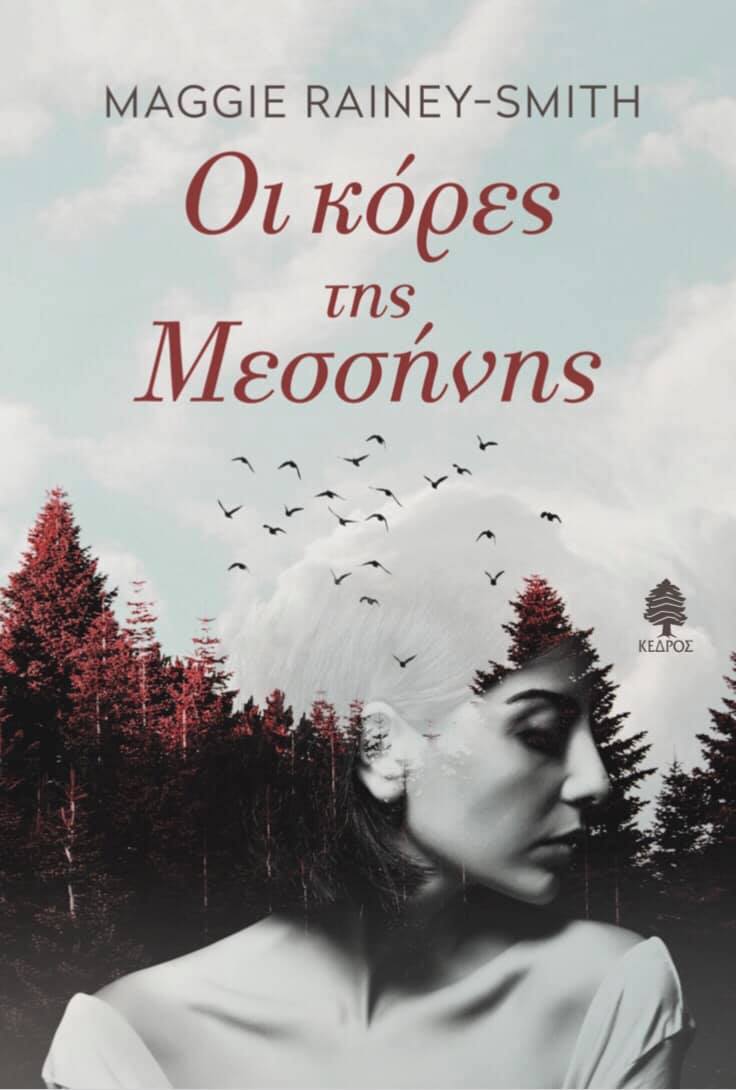
My Greek novel Οι κόρες της Μεσσήνης

Standard

My publisher was recently visiting Hydra and spoke to a bookseller there who has been selling the Greek translation of ‘Daughters of Messene’ Οι κόρες της Μεσσήνης and was planning to order more in. This prompted me to look at any new Greek reviews and I found this wonderful review. I’ve had to use Google translate and I’m just going to post some of the parts of this review that gave me a heart glow.

If you speak and read fluent Greek I will post a link to the full review below. In the meantime:

Όμορφη και στρωτή αφήγηση καθ’ όλη τη διάρκεια του μυθιστορήματος με μια πλοκή τόσο όσο χρειάζεται ώστε να προκαλεί το ενδιαφέρον του αναγνώστη να διαβάσει τη συνέχεια με λαχτάρα.

Beautiful and layered storytelling throughout the novel with just enough of a plot to keep the reader interested and eager to read more.

Με ποιητικό λυρισμό αγγίζει με τη λογοτεχνική της πένα θέματα που έχουν σημαδέψει γενιές ολόκληρες  και καταφέρνει να τους δώσει το ύφος και την αξία  που τους αναλογεί. Χωρίς μελοδραματισμούς, η συγγραφέας μέσα από την πορεία της συγκεκριμένης οικογένειας, μιλάει για τις γυναίκες που έμειναν και υπέμειναν τα πάντα στη διχασμένη Ελλάδα, για τις γυναίκες που μετανάστευσαν στην άλλη άκρη του κόσμου για να ξεχάσουν και να αναζητήσουν ένα καλύτερο αύριο χωρίς όμως να ξεχάσουν τα ήθη, τα έθιμα και τις αντιλήψεις  τους, για τις γυναίκες που πάντα αναζητούν και παλεύουν.

With poetic lyricism, she touches with her literary pen subjects that have marked entire generations and manages to give them the style and value that is attributed to them. Without melodrama, the author, through the path of this particular family, talks about the women who stayed and endured everything in divided Greece, about the women who migrated to the other side of the world to forget and look for a better tomorrow without forgetting their morals, customs and perceptions, about women always seeking and fighting.

Τέλος, θα ήθελα να να τονίσω ότι μέσα από αυτό το υπέροχο, αληθινό και συγκινητικό μυθιστόρημα που μας ταξιδεύει στο χρόνο, παρελθόν-παρόν, δίνοντας μας και την ελπίδα του μέλλοντος, η συγγραφέας δίνει το ιστορικό πλαίσιο της Ελλάδας και αποτυπώνει τη ζωή κάθε Έλληνα των τελευταίων εκατό χρόνων μαζί με τα ήθη, τα έθιμα, τη κουλτούρα, τη καθημερινή μας συμπεριφορά, την ιδιοσυγκρασία μας, τα όμορφα αλλά και τα στραβά μας, αλήθειες που βλέποντας τες αποτυπωμένες στο χαρτί, εμένα προσωπικά με έκαναν να χαμογελάσω, γιατί διέκρινα το χιούμορ της αλλά και την αλήθεια σε όλα αυτά που περιέγραψε και πραγματικά  είμαστε αυτοί οι άνθρωποι

Finally, I would like to emphasize that through this wonderful, true and moving novel that takes us through time, past-present, giving us hope for the future, the author gives the historical context of Greece and captures the life of every Greek of the last hundred years together with the manners, the customs, the culture, our daily behavior, our temperament, the beautiful but also the ugly, truths that, seeing them printed on paper, made me personally smile, because I saw the her humor but also the truth in everything she described and we really are these people.
Passing through Nickelsdorf

Standard

In a world where Syrian refugees are bursting through police cordons in Budapest to board trains to Germany, blogging about oneself, and writing, seems oddly trivial and self-centered. But it can also be overwhelming to embrace every tragedy in the world. Somehow to retain a human spirit we have to retain compassion, rage against war and yet still find beauty and courage to live our own individual (albeit by comparison, hugely privileged) lives.

On Facebook, people have been posting pictures of the drowned young boy who has become the poster child for Syria and refugees. And yet as we all know, in recent times the children of Gaza have been dying and left homeless. For decades there have been droughts, and famines in Africa. What is it that makes us in the ‘West’ suddenly galvanized by the sight of the Syrian diaspora? I wonder if it is because we see ourselves for the first time quite clearly.

These refugees are articulate, well educated people, speaking English, sounding like us – maybe for the first time we can image what it might be like to have to abandon hearth and home because of war. In the past, maybe we’ve felt safe, perhaps thinking – well, that’s Africa (and we might have sent money or shed tears) – but perhaps we haven’t truly identified – that’s them, not us. For a short while we were all desperate on behalf of the stolen school girls in Nigeria, but news filtered in that some had been found and that alleviated our concerns. And after all, what could we do, aside from Facebook solidarity postings?

I sense in the recent Syrian influx to Europe, we are confronted with something that disturbs our comfortable lives more tangibly. Europe is our cultural playground, a tourist mecca. Or, as I heard it described today, listening to Emily Perkins talking to Michele de Kretser – a big museum. Michele’s book ‘Questions of Travel’ explores through fiction the idea of travel as something you choose to do, and the travel that refugees undertake to escape war or politics.

Over the years, we’ve watched endless Hitler reruns on the History channel, people on trains fleeing Germany. We identified because our fathers had been in this war. We read about Mao, Pol Pot and Rwanda, but we identify with Europe and the war that has dominated our culture through books, movies and television.

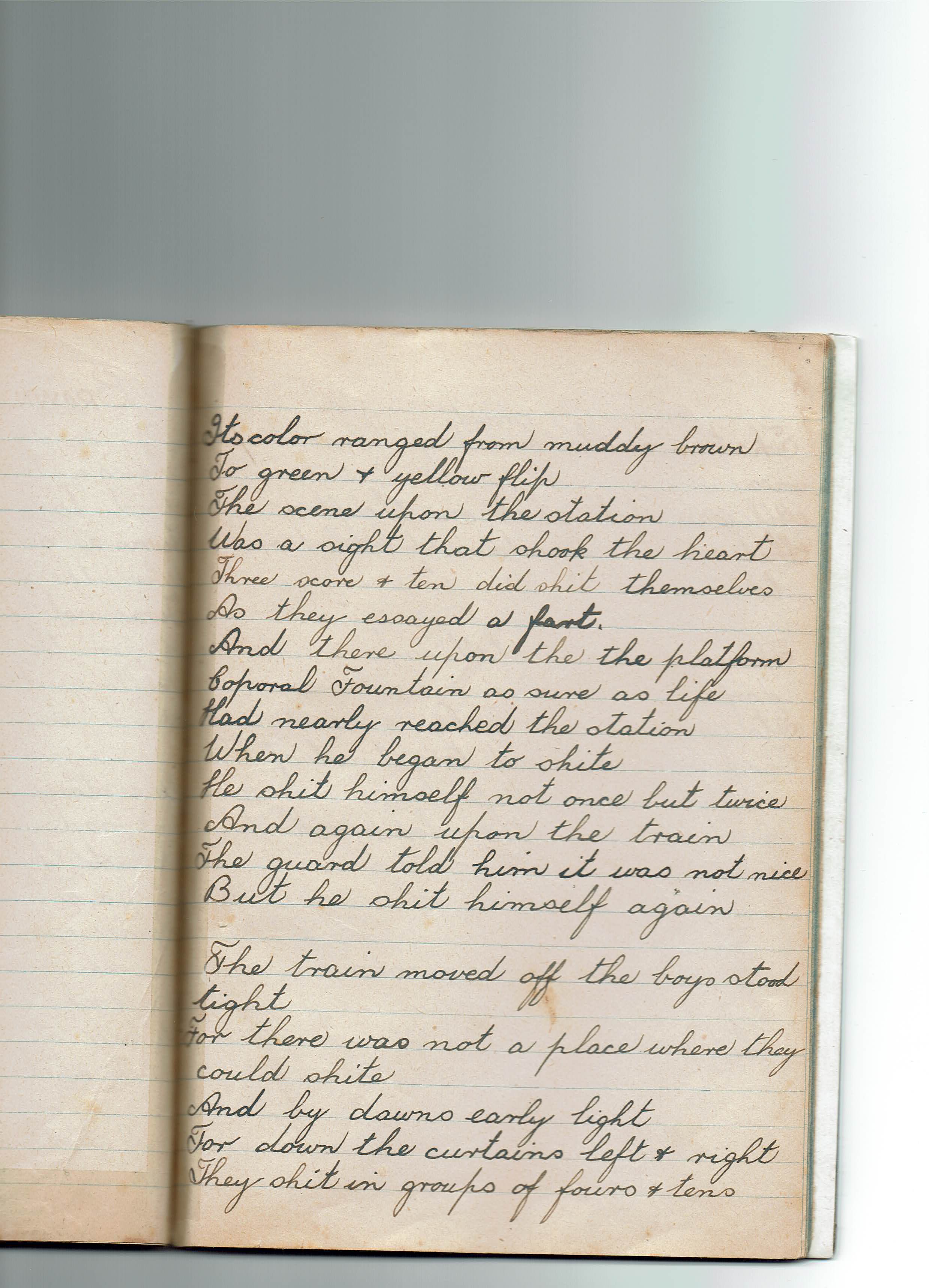
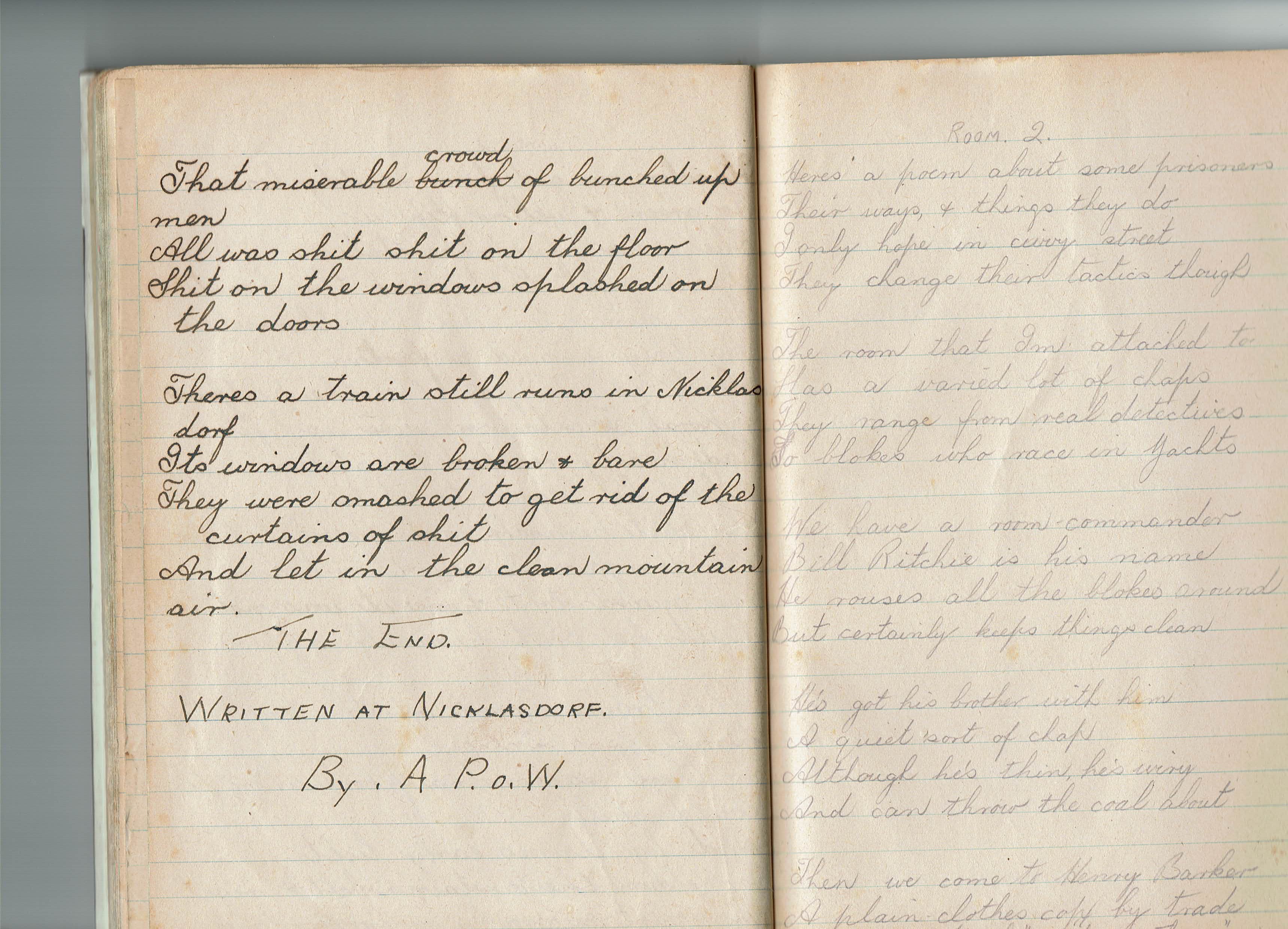
My own father was on a cattle train in Europe heading to Germany in 1941. Four years later he was part of the 600 mile death march across Europe in sub-zero temperatures away from the advancing Russians. Last night on the news, a TVNZ reporter was in Nickelsdorf, Austria where people were handing out food and clothing to the refugees. I’ve never been there but it features large in my childhood memory. In my father’s soldier’s book, is a smutty piece of doggerel that used to amuse us kids, about travelling through Nickelsdorf when all the men were struck with diarrhoea.

I recently railed against Germany’s treatment of the Greeks. But it is Germany now leading the way showing Europe what to do, offering sanctuary, a home to refugees. Instead of trains leaving Germany, once again they are heading towards Germany, but this time it is asylum they are seeking.

My own small world means that I come into contact through my work as a teacher, with local refugees and migrants. They come from a wide range of backgrounds and ethnicities. As a child of the 50’s and 60’s in small town New Zealand, where life was primarily mono-cultural, I am proud to be part of a more diverse and multi-cultural experience. I know we can easily afford to accommodate more people. But too, it isn’t just as simple as people imagine. We do need an infrastructure to assist people to adjust to a completely different way of life. I imagine many of the refugees now pouring into Europe are looking for a temporary sanctuary and hope one day to return to a peaceful Syria.

And so I began this as the ‘final copy’ believing I would write about the process of writing and working with editors on my third novel. Somehow the triumph of a new novel seems to pale in the face of these much more important issues. But I also believe that it is our responsibility to celebrate our own small lives and cherish our achievements and joys. My third novel is about the Greek Civil War. It is about immigration and the return home. It is about history and now, but a different now from the one I imagined when I began my novel – my story’s ‘now’ is 2007, a time when Greece was full of economic hope and a growing middle-class. How things have changed in a short eight years.

I am posting a copy of the doggerel written by a POW (if you are squeamish about smutty, then do not read on).

Nickelsdorf 002   Nickelsdorf 001