Cuba, Cuba, Cuba, I Love you

Standard

We were planning to visit Japan. Our son and his wife live in Seoul and it seemed like a great scheme to fly there via Japan in the season of blossoms. Alas, the now historic earthquake struck, followed by a tsunami and we decided to change our travel plans (thinking perhaps that Japan did not need tourists right at this time).

So, where do you go, when Japan is off the itinerary? We decided it was time to visit Cuba – a place we had hankerd to see ever since Ry Cooder rode his motor cycle around this country and discovered the Buena Vista Social Club. And so, we went, via Panama, as you do, because you cannot on a commercial airliner, fly direct from the USA. How odd this is when you think seriously about it and how entrenched the squabble is, when after all, the Berlin Wall came down in 1989. I’ve been to Berlin and to the Stasi Museum which is a whole other story.

We flew the 11 hours to Los Angeles, and transited there, which required a full body scan (I’m a grandmother now, so what do I care) and then we flew to Panama, another six hours. Panama is a fascinating place all by itself and perhaps worthy of a separate blog. It was exciting to be there because it features large in many Kiwi lives during the 60’s and 70’s en route to the big OE and the UK. I came home in the mid seventies via the Suez Canal (which had just re-opened), but did not go to England via the Panama. And so it felt like some sort of belated rite of passage, standing there, watching the locks rise and fall.
But, our destination was Cuba.

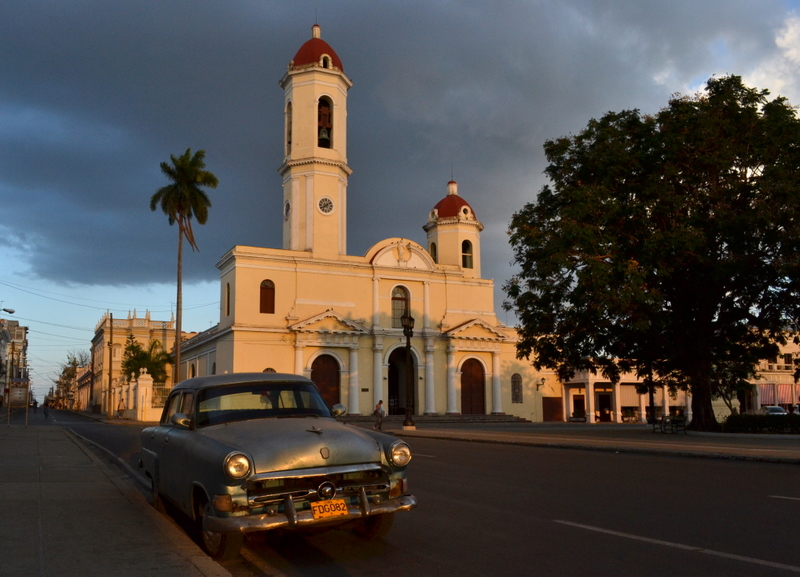
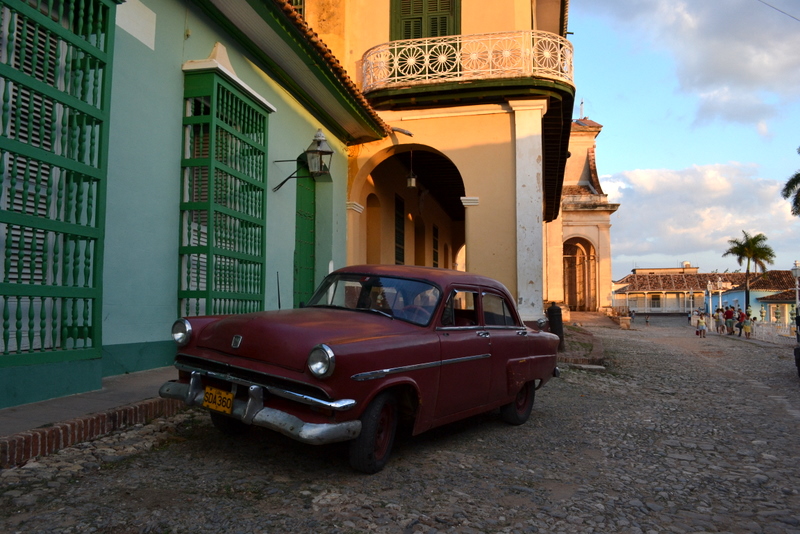
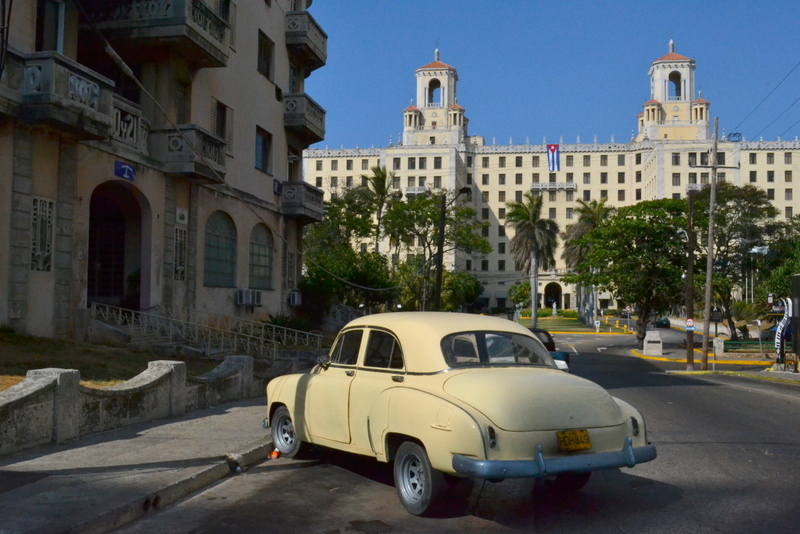
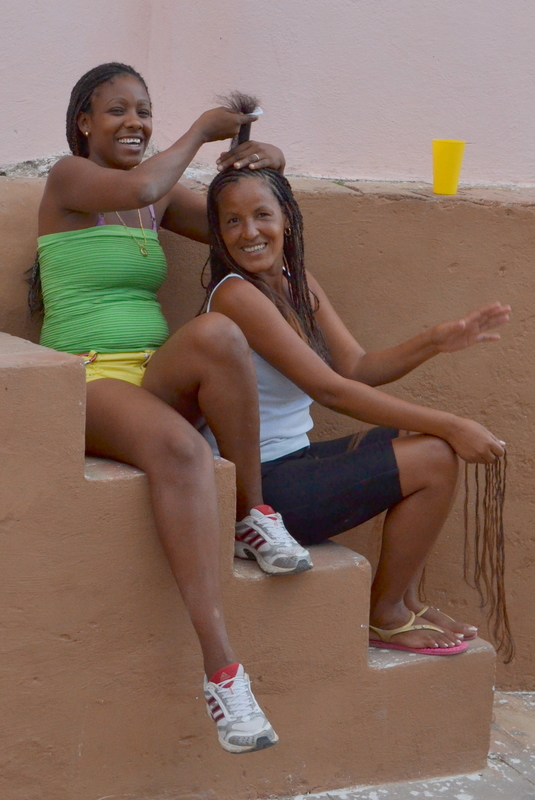
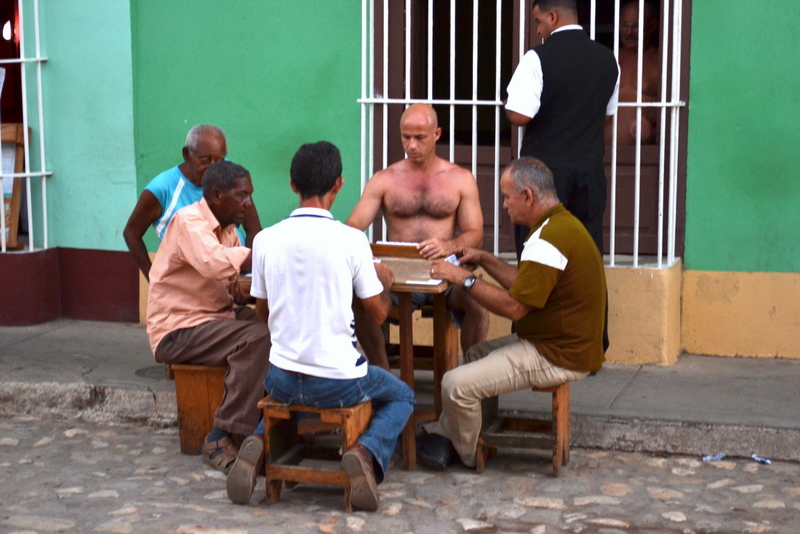
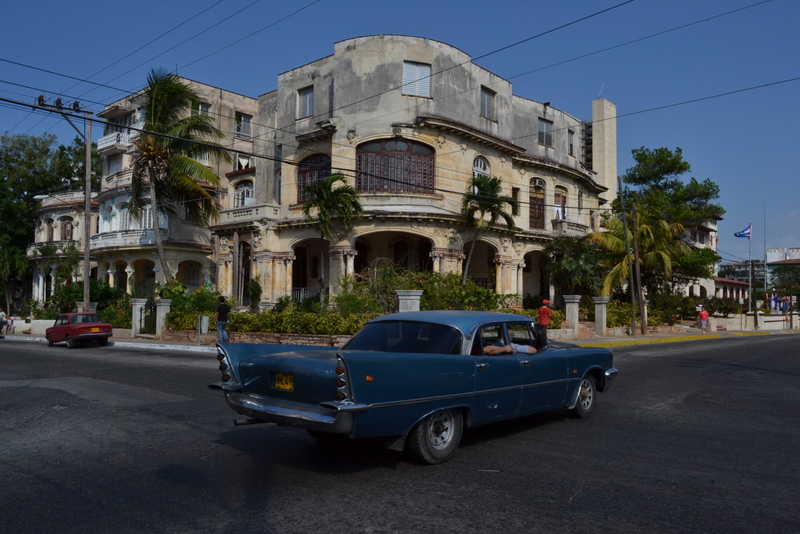
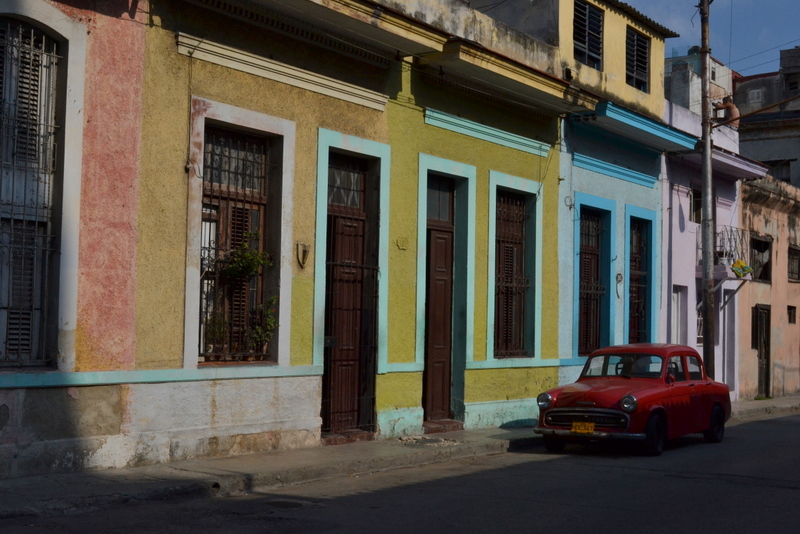
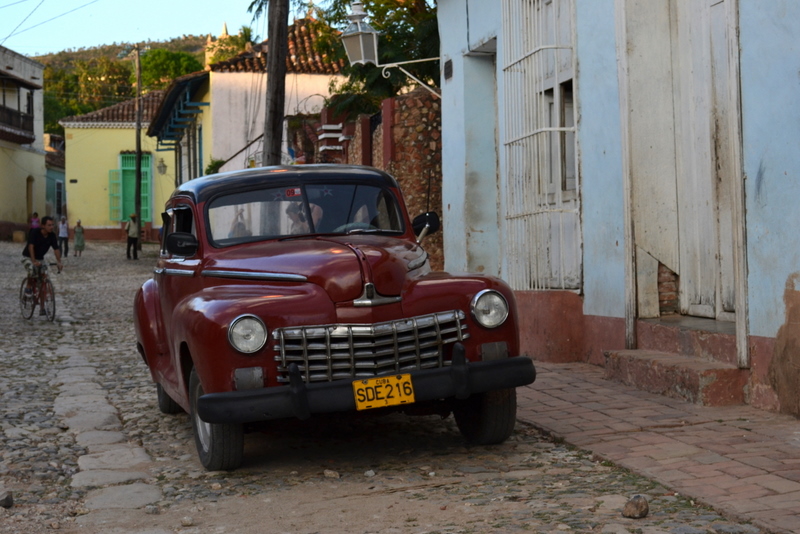
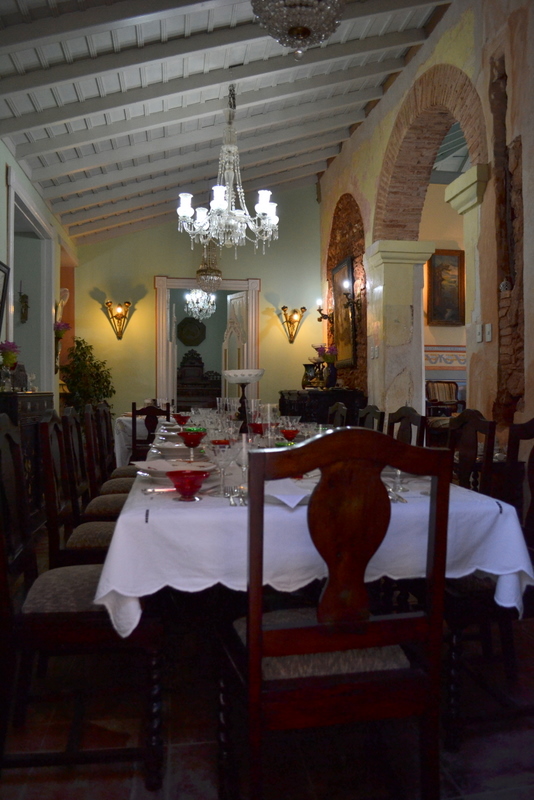
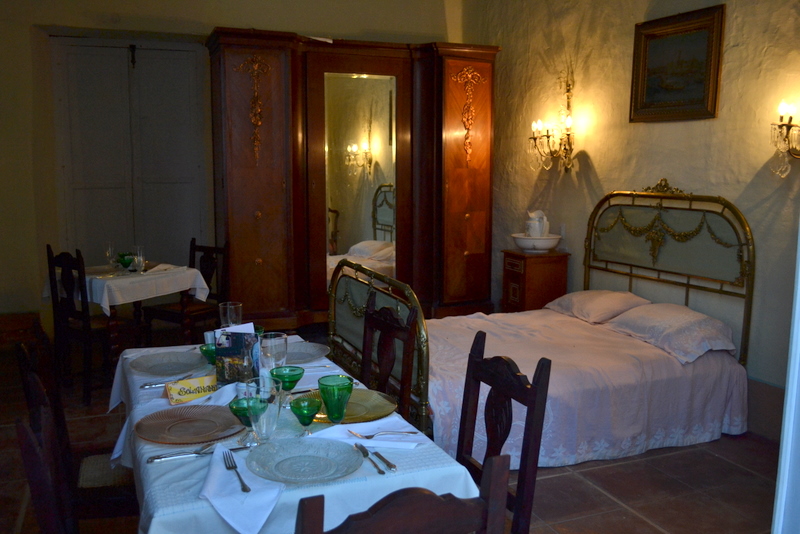
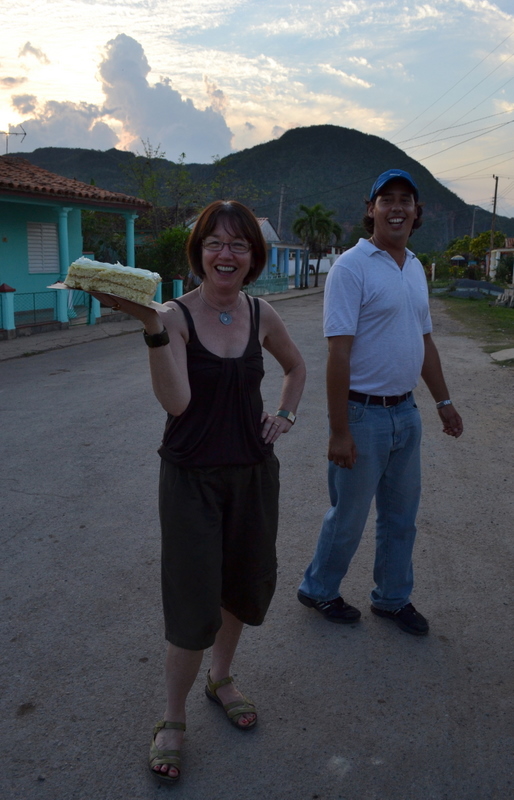
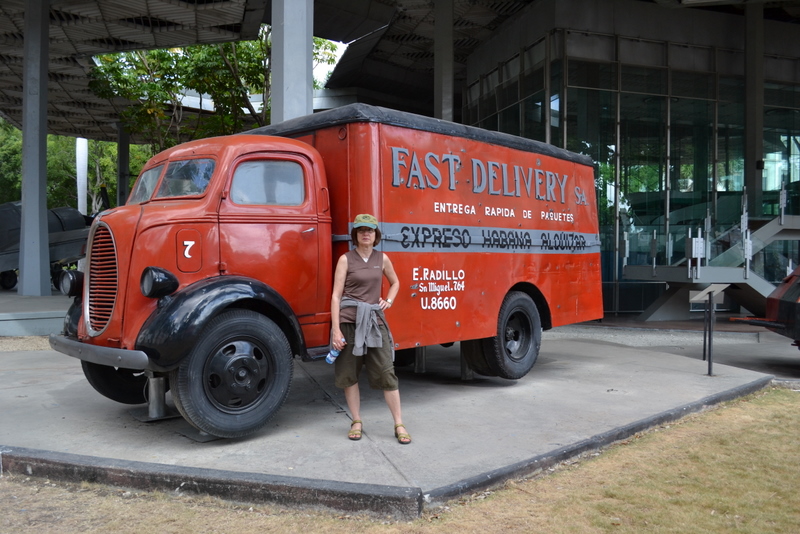
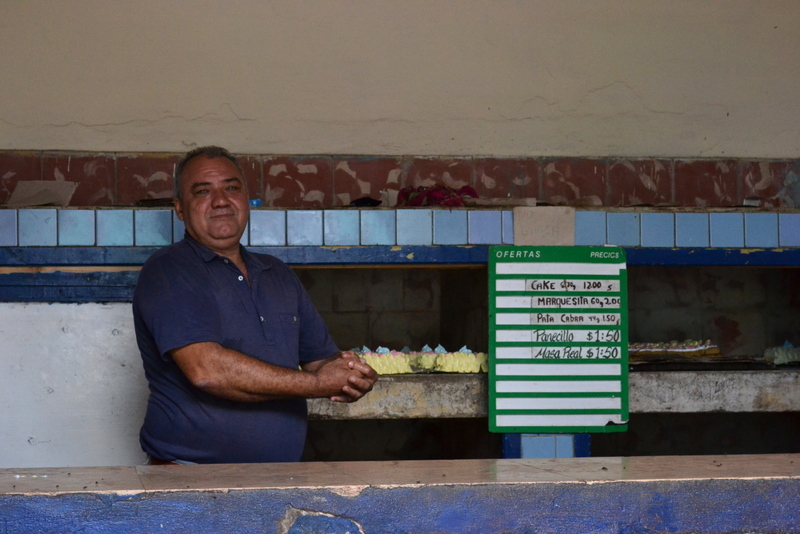
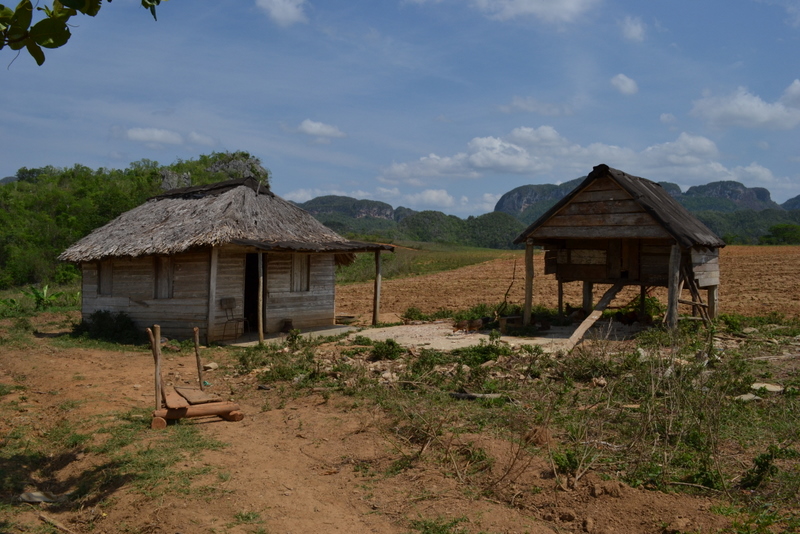
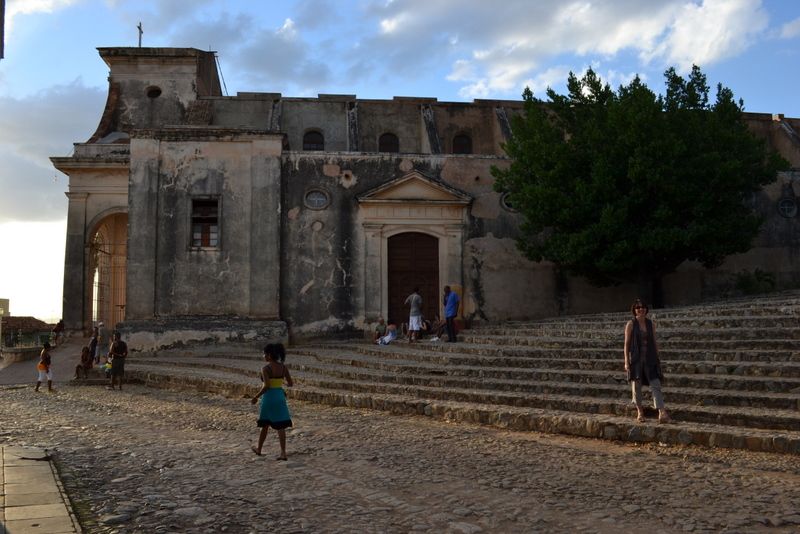
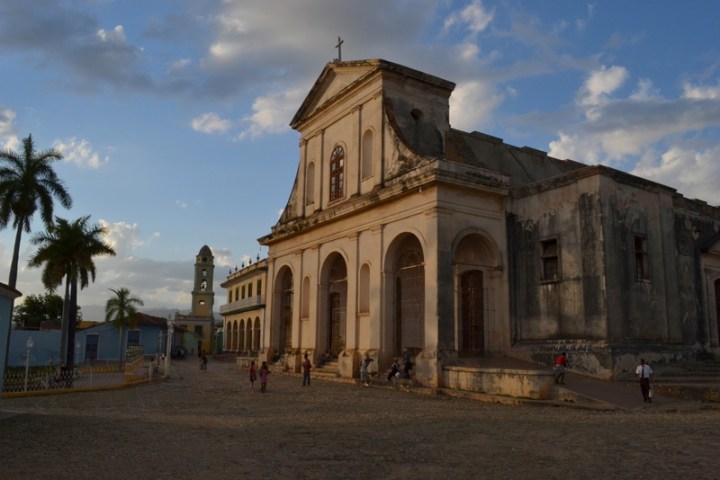
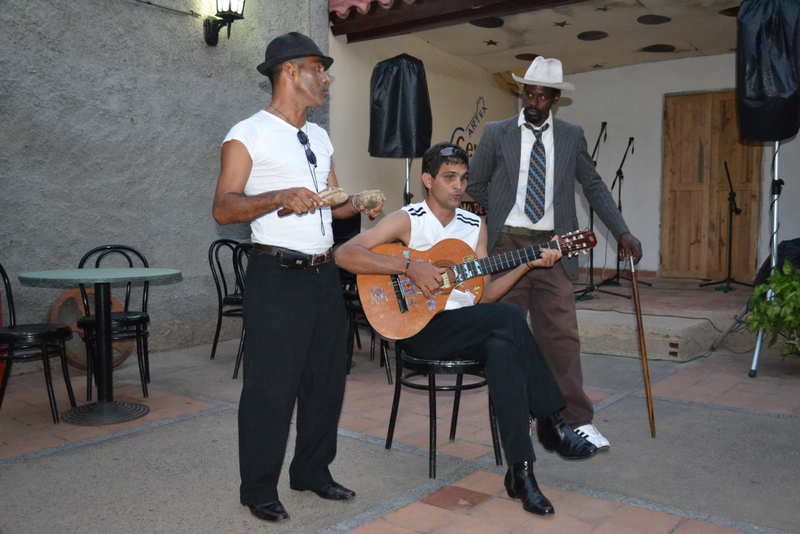
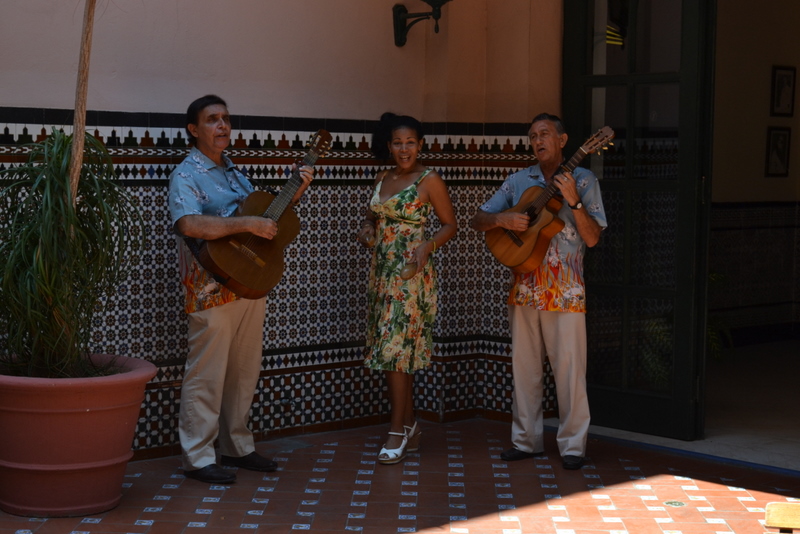
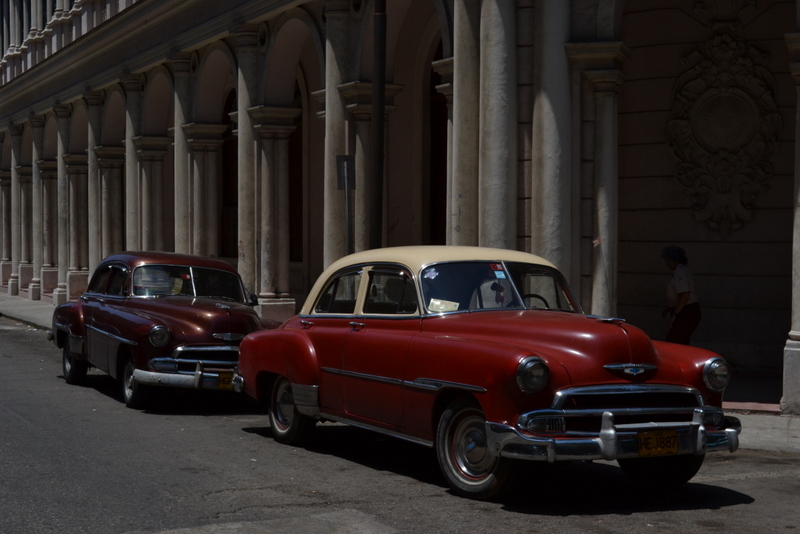
Oh Cuba. Where do I begin? I think the photographs that I am going to post will probably speak louder than anything I can say. These photographs are the work of John Rainey-Smith, my partner in life and I’m delighted to share them with you. There is so much to say about Cuba and I don’t think anything could really capture the spirit, the colour, the delight, but I think his photographs are indeed eloquent.
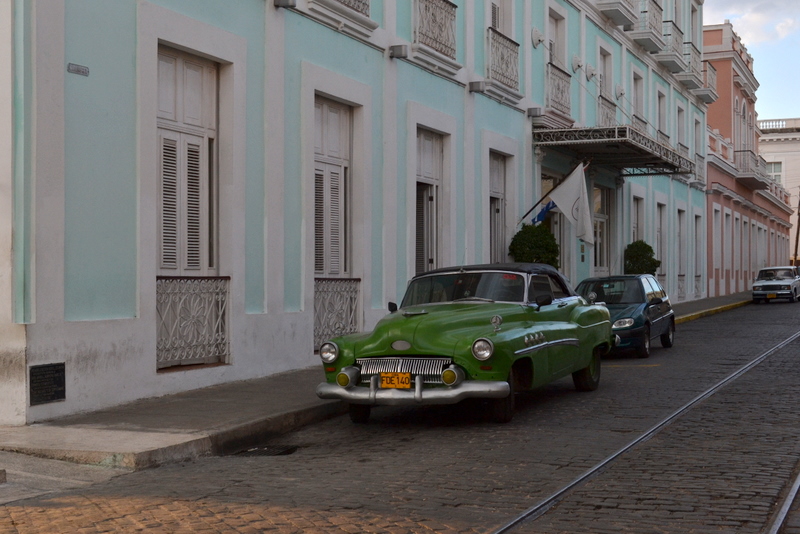
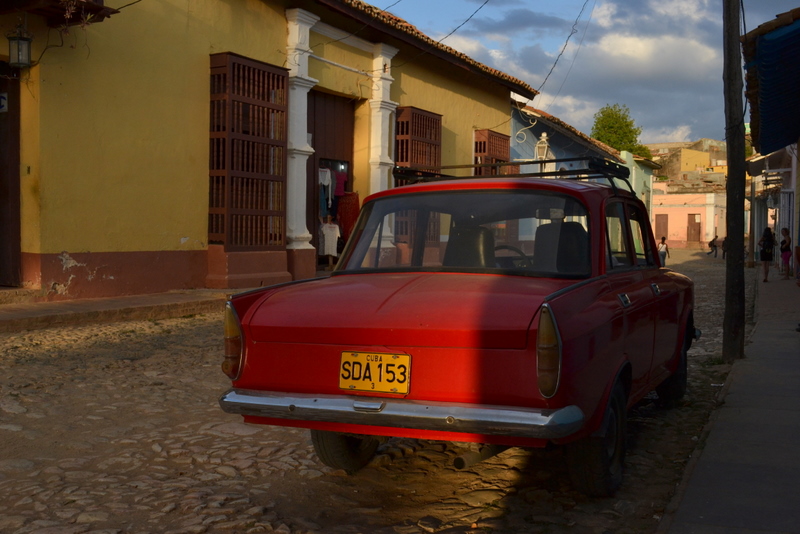
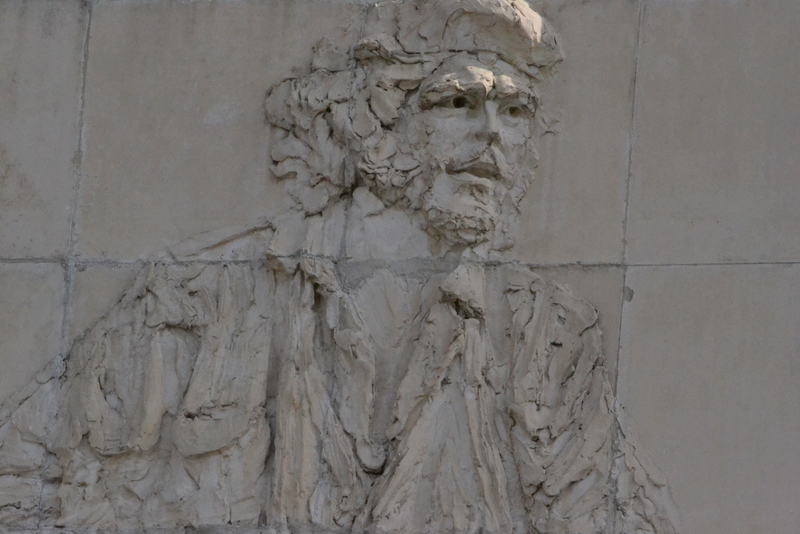
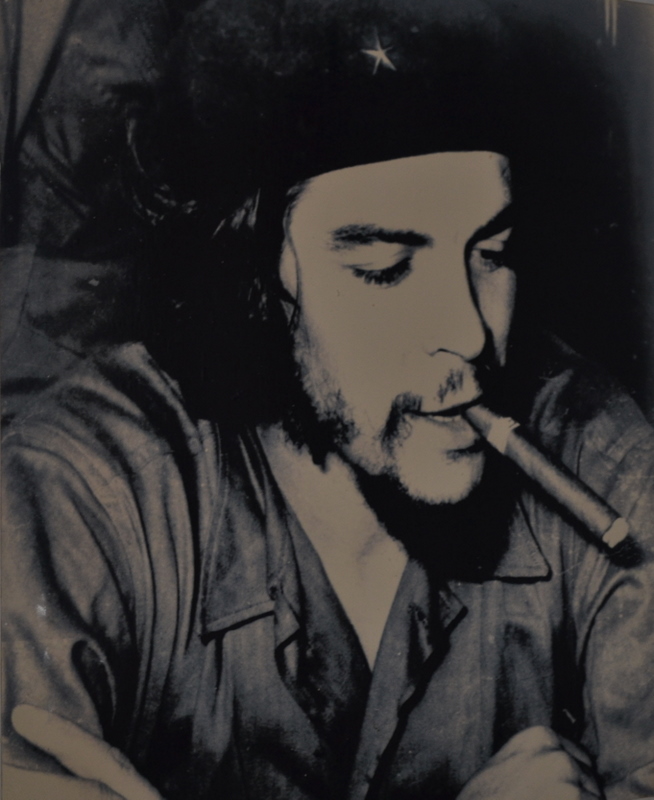
Enough to say, that we were enchanted, and you know how it is, sometimes when you have wanted for a long time to visit somewhere and the imagination is greater than the event – in this case, it was not so. Cuba is colour in every sense, and Cuba is history in a crazy time warp. Cuba is testament to the madness of the United States foreign policy, a study in intransigence – how silly can we be. But Cuba triumphs too. Of course, Fidel is not blameless and I’m not a political analyst, just a tourist. Oh what a dream that a doctor from Argentina had… Che; immortalised on tee-shirts and billboards, a rally cry to all young radicals, his memory somehow woven into the Cuban psyche.
We stayed in Havana, at the Hotel Nacional (home of the Mafia really in those heady early days).
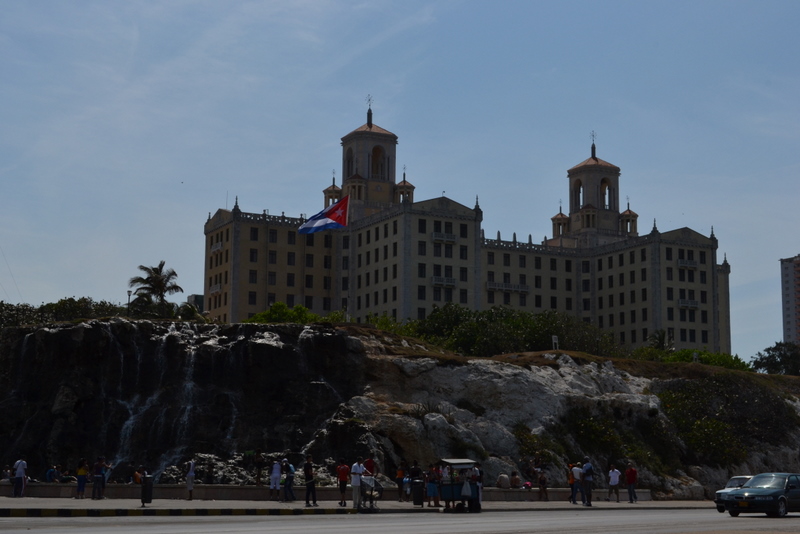
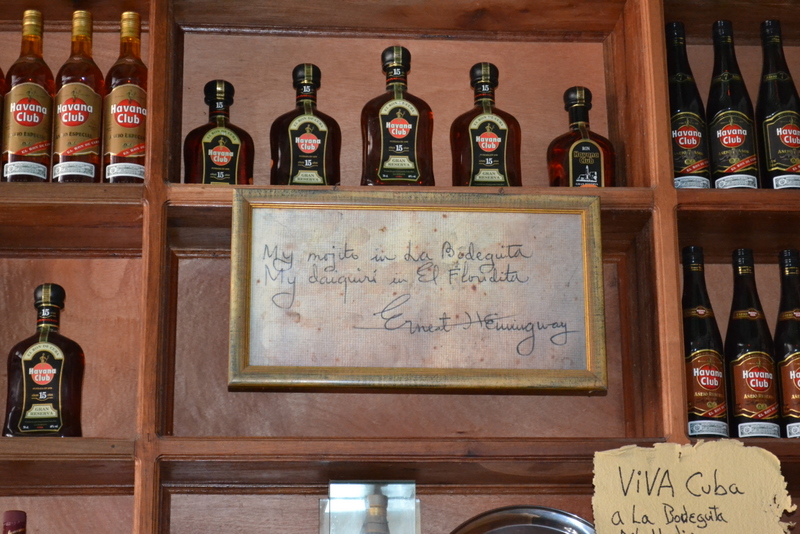
Oh, the incongruity of Cuba, the crazy dichotomies of grandeur, of passion, of salsa and sleaze, of social reform now on ice and melting, like the daiquiris that Hemingway sipped.
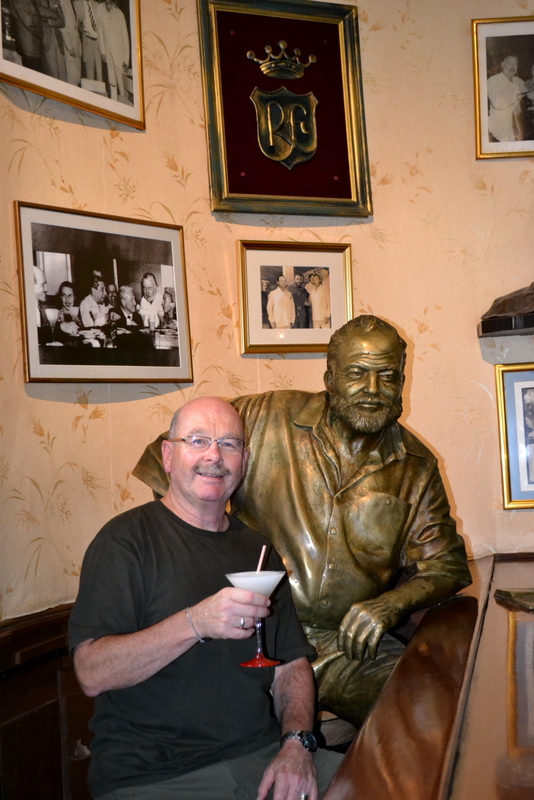
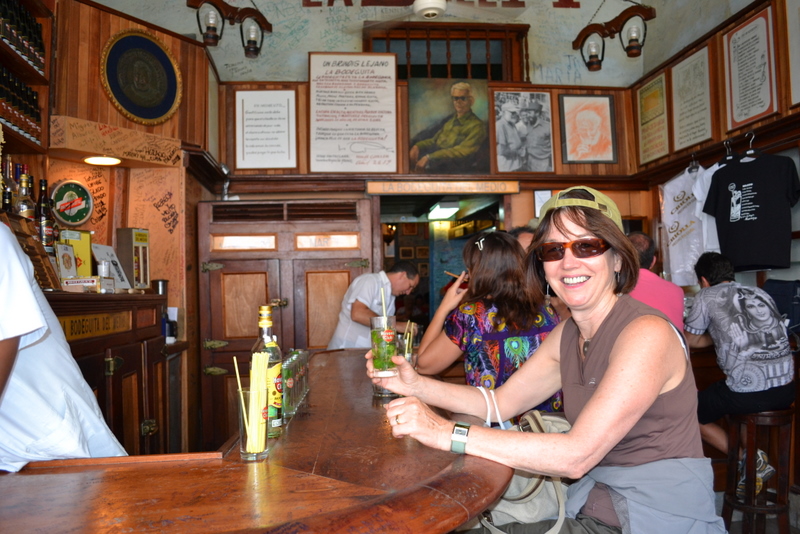
I can remember with vivid clarity, where I was when the Cuban Missile Crisis impacted on the world in the sixties. I recall standing in my Waimea Intermediate gingham red and white all in one button-through frock, wearing my Panama hat (except now I know that actually it was an Ecuadorian hat that people wore in Panama)… my hands were on my bicycle handlebars and I was looking down the asphalt driveway towards the bike sheds with fear in my heart… I had left home that morning after the radio broadcast and my parents conversation – that possibly, just possibly, Word War III was about to begin. (Yes, we lived sheltered lives back then and just as McCarthyism was rife in the USA, we too were terrified in the working class suburbs of New Zealand).

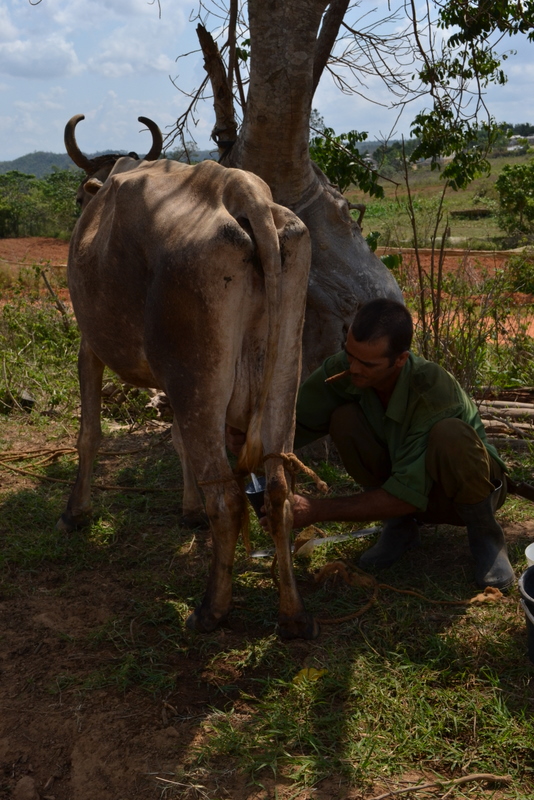
At the airport, en-route to Cuba, I was looking for a book about Cuba which I could not find, and on impulse I grabbed instead, with no real intent or knowledge, ‘On Green Dolphin Street’ by Sebastian Faulks. It is a tender, terrific love story based in the United States during the McCarthy years. And of course, there are very few writers of Faulk’s ability who can render love and history in such a compelling fashion. It turned out to be the perfect book to be reading really while travelling through Cuba, caught in a sixties time-warp. It seems inevitable me that the USA must, sooner, rather than later, open the door to Cuba and what a travesty if Coca Cola and McDonalds begin to colonise Cuba. For the past fifty years, the Cubans it seems have farmed organically, being unable to afford the chemical fertilisers or indeed the mechanisation (we saw men ploughing fields by hand and with bullocks pulling ploughs) – imagine if Trader Joe’s in the USA could buy fresh organic produce from Cuba – black beans for starters, strawberries, fresh lobster…
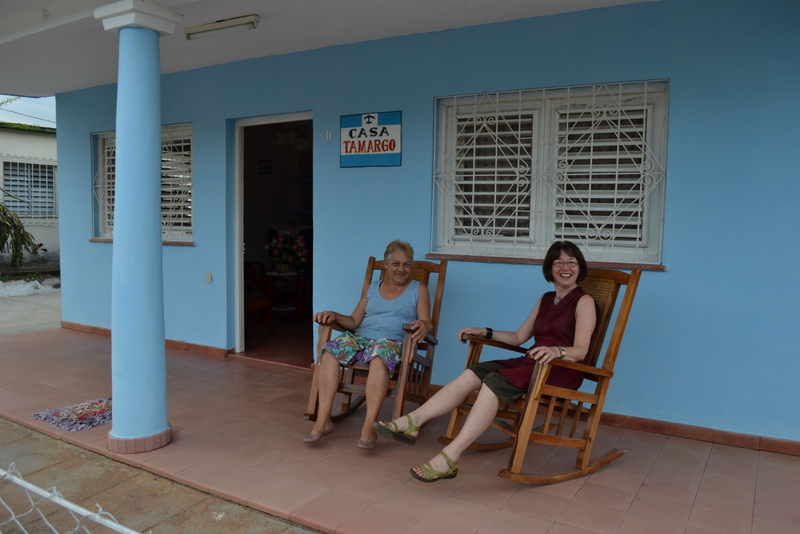
Our trip was booked through Intrepid Travel, although intrepid is perhaps an exaggeration. We were entirely comfortable, well fed and safe, for the entire journey and apart from miserly squares of tough toilet tissue that you have to pay for at most local toilets, everything else was probably quite luxurious in comparison to what I had imagined. Our accommodation was a mixture of flash hotels (think Mafia style palatial) and home-stays (humble, yet spotless and welcoming Casas). And of course for a writer, Havana is so much fun.

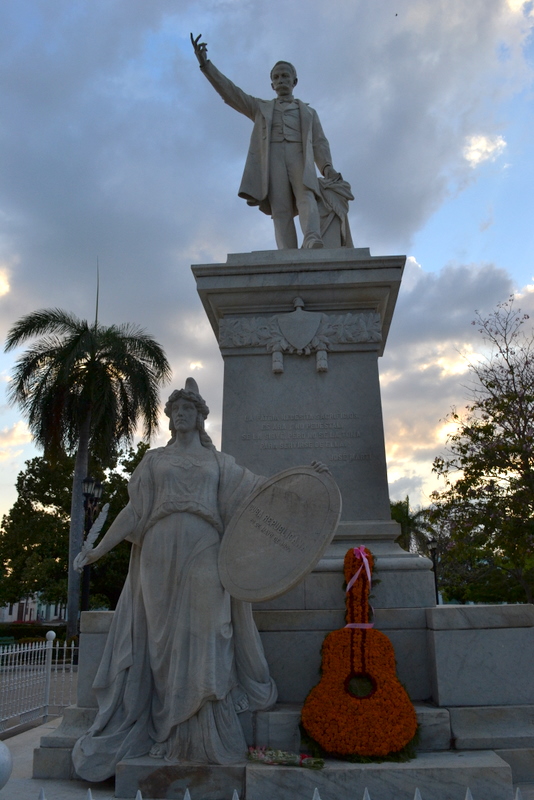
I’d heard of Fidel, of Che, but not of José Martí and so I found on-line a translation of his poem ‘A Sincere Man’ and these following lines of the translation seem particularly pertinent.

And seen butterflies emerging
From the refuse heap that moulders

I shall be seeking out more translations of José Martí’s poetry.
And now, my own poem and John’s amazing photos…

Dear Cuba;
I love your faded glory
your broken cobbles
the pink, pink and green of you
and too, the blue
your crumbling
buildings
the Malecon
where cool winds
speak of Cuban love
at night
star-bright on old Habana
mint in our Mojitas
Hemingway on our mind
music in our hearts.

Viñales;
the Casa Tamargo
a blind singer and salsa
the way we danced each foreign beat
from three to five
to rest on four
facing full length mirrors
on a dusty floor.

Cienfuegos;
your square
the rotunda and
El Palatino, outside
where I danced
with a drunken old man
seduced by his toothless
smile,
and a Pina Colada.

Trinidad;
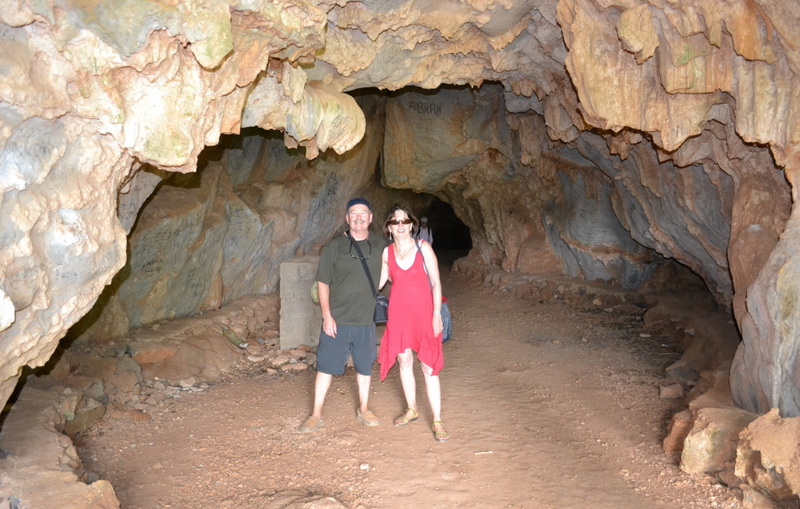
with your crazy cave disco
hinting at grandeur
thumbing your nose at decay
setting grand tables
visible through shuttered windows
lace and linen
fine wine even
cobbles worn to slippery
our suitcases
sliding on marble

Santa Clara;
here, where
an Argentinean doctor
who believed
he could change the world
piece by piece
(beloved friend of Camilo)
is buried.
Che
an eloquent star burns
bright in your tomb
a light
for a dream
frozen in time…

José Martí; a sincere man
on your white horse
in your black jacket
defiant to the end
the seeds of
revolution
in your legend

Cuba, I love you
the heart of you
the music in you
the colour of you
you are
art among the arts

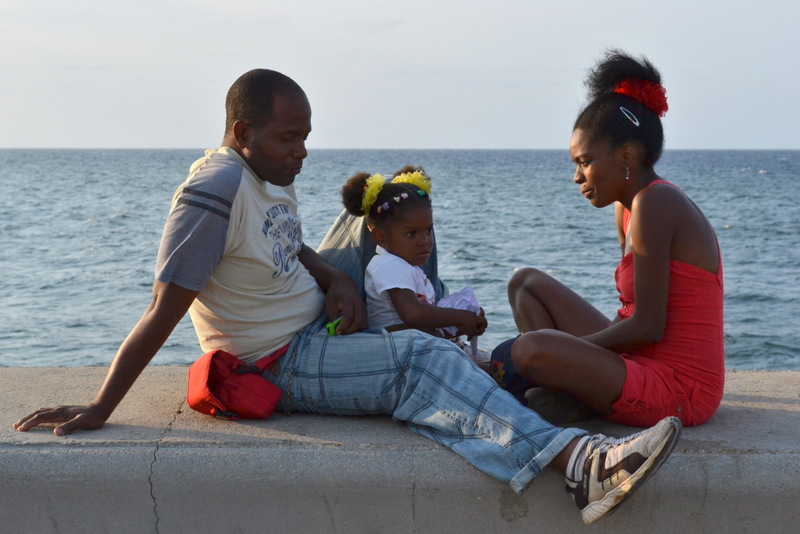
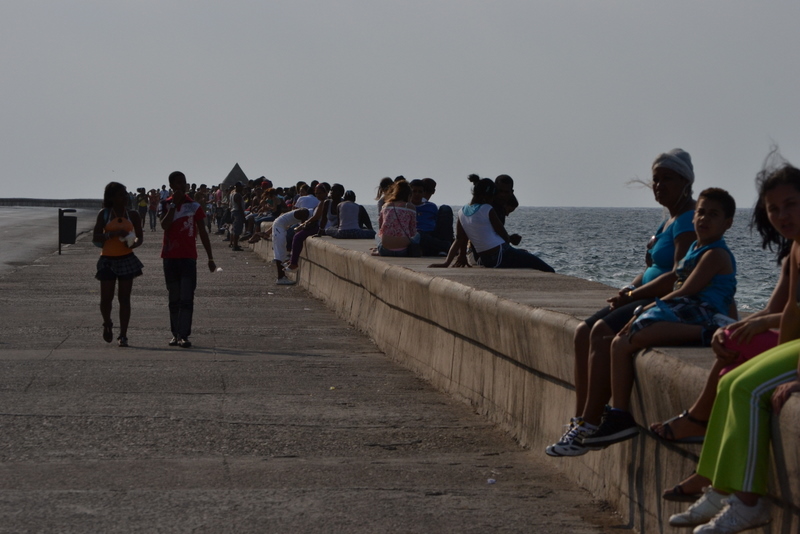
I feel John’s photographs are the real highlight and so I’m going to open a gallery for those of you who wish to take a peek at Cuba.
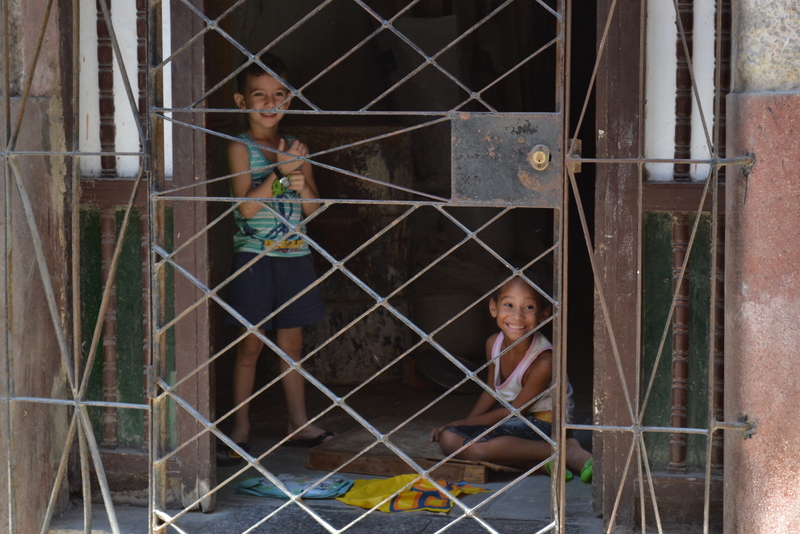
Some lovely candid people shots (he mostly asked permission!) – scroll through and enjoy.

<<a href=”https://acurioushalfhour.com/wp-content/uploads/2011/05/dsc_578-141.jpg”&gt;

The Wild West – Yosemite

Standard

I wrote this travel essay some time ago, but now I have a blog and so I thought I would publish it, along with some of the splendid photographs taken by my husband John Rainey-Smith

The Wild West

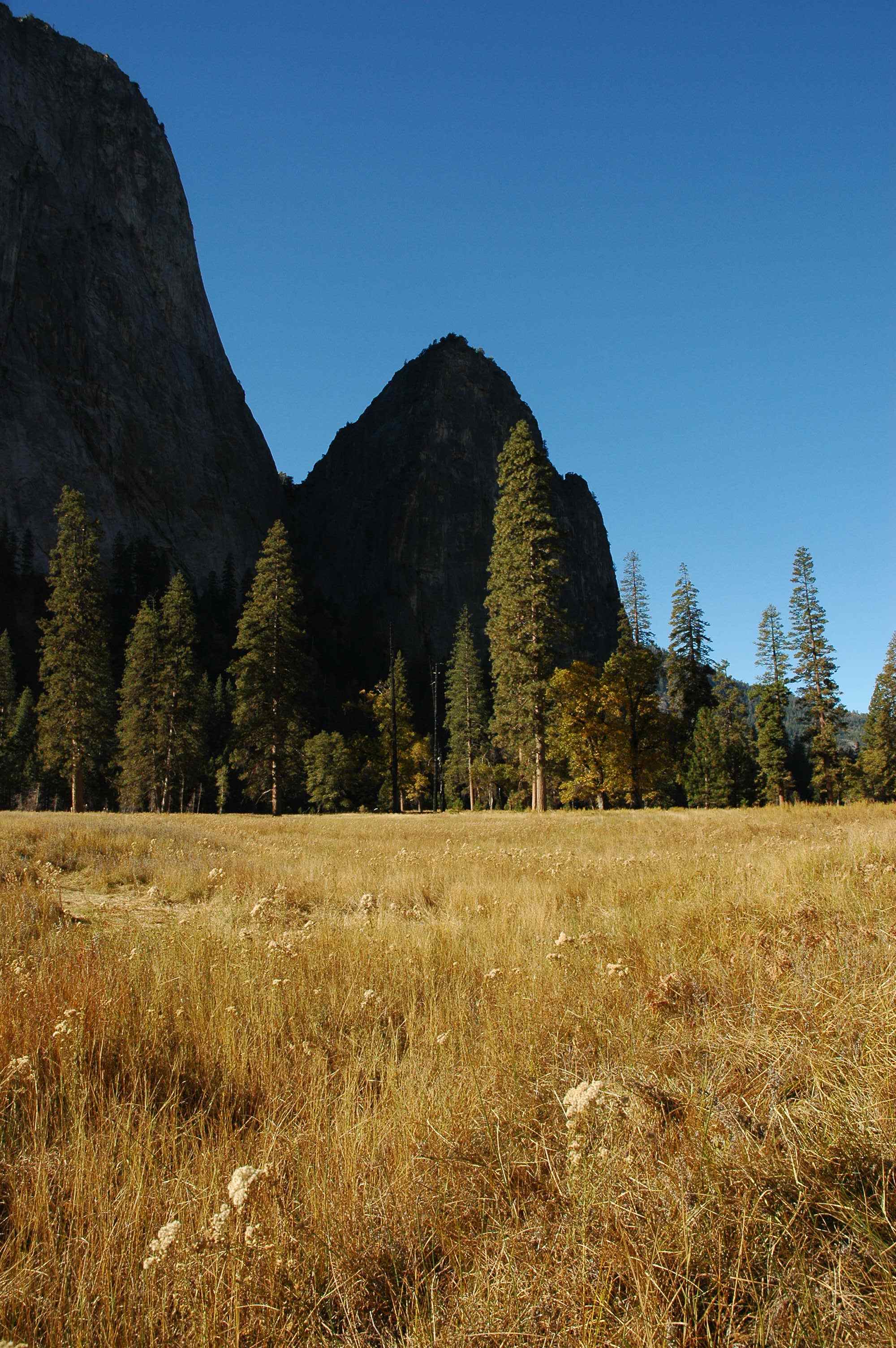
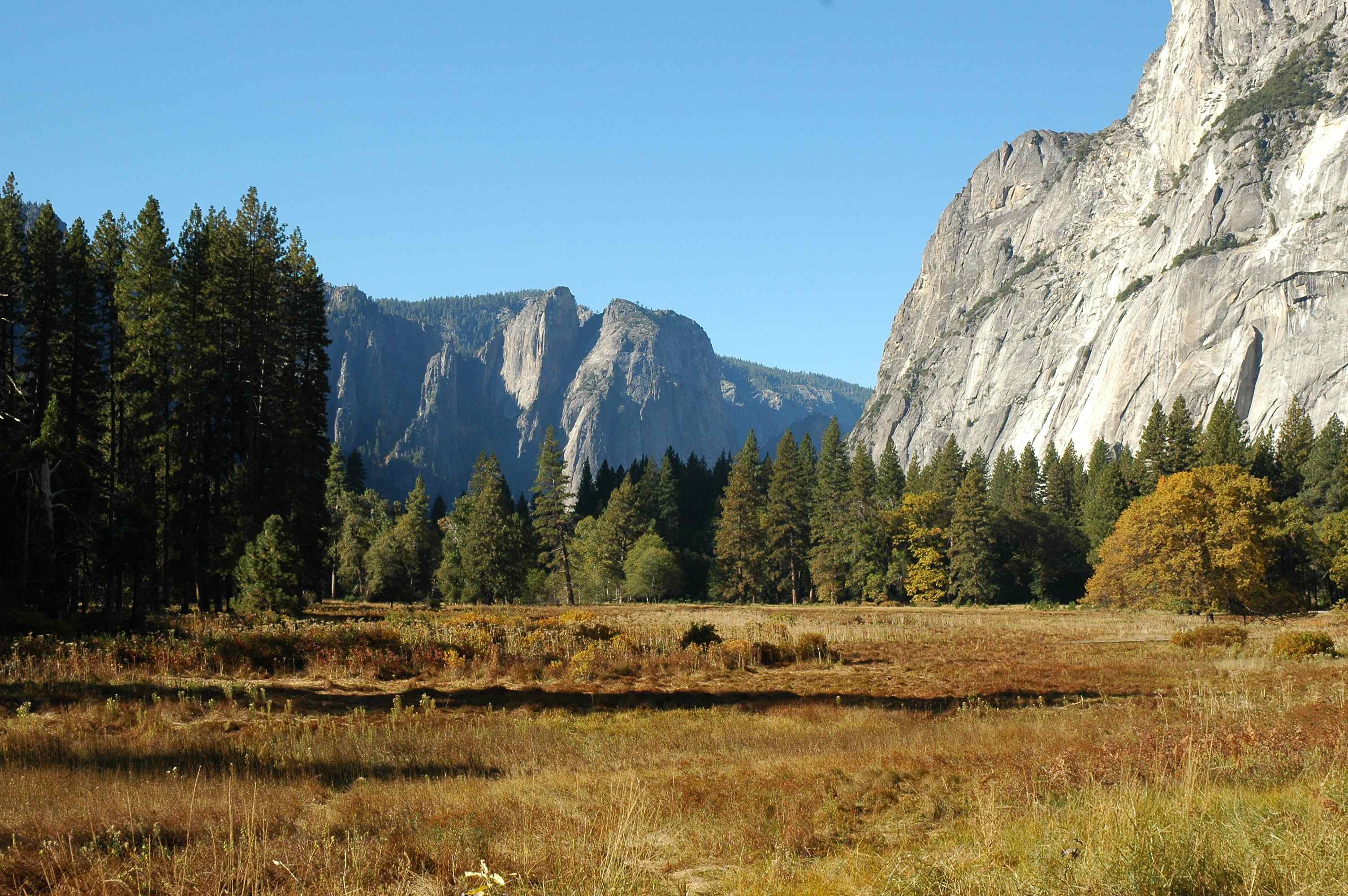
Yoh-see-might… No, no, no. Say Yo, and hold it. A long, lazy Yo. And then semite like cemetery. Yosemite with the emphasis on yo! Our bus driver was speaking in a slow, articulate drawl, and thankfully, he was taking the perilous corners in just the same manner. We were passengers on the early morning drop-off at Glacier Point, about to begin our trek into the wilderness in the ecological wonderland that is Yosemite National Park.

Friends from home had raved about this part of the world to us; boasted of conquering Half Dome (albeit crawling on their bellies) or hiking solo to the top of Yosemite Falls and sleeping out to catch the sunrise. We thought we were prepared, but nothing can prepare you for the astonishing geography of Yosemite, nor the dedication to conservation that the park exudes, the sense of something sacred. This is after all, America, and we, as supposed Green Kiwis, are used to the pointing the finger.

Astonishment is not limited to the grandeur of the scenery, but starts when you park your car on the valley floor and read the notices – Don’t feed the bears.

This piece of advice sinks in when checking into your accommodation and you are asked to sign a waiver, declaring that you have left not a skerrick of food in your car or you will be liable for a fine of one thousand dollars. We are regaled with stories of cars ripped asunder, and indeed, according to recent legend, an entire wedding cake, consisting of several tiers, left in a car outside the historic Ahwahnee Hotel was demolished along with the car.

We are warned that even a tiny crumb of chocolate in our car boot can lead to forced entry through a window and our car being ripped apart in the quest for food. It is autumn and hubby who normally eschews warnings such as keep of the grass (unless he can be convinced that there is a valid reason to stay off the grass) reluctantly concedes that the bears might indeed well be on the prowl and storing food for hibernation. And so, we carefully comb our car for any stray morsels of food, and debate momentarily, the risk of a lone peppermint and in the end decide not to tempt fate or indeed our wallets.

Now that we are officially registered and have signed our waiver, we deposit our luggage in our room. Our accommodation is similar to perhaps a budget ski lodge in New Zealand and the only touch of luxury is the ice-machine in the hallway, where cubes of ice fall in generous satisfying chunks, except we have no need of ice (no gin in our rucksacks). It is the cafeteria where we eat that intrigues us. Everything eaten at the park is grown within the park and all plastics and waste recycled. There appears to be an affirmative action programme at work with the employment of staff and we are greeted each day or night by warm, friendly staff with some obvious and some less obvious, physical or intellectual disabilities, Again, this is not what we expected, and we are impressed, yet again, humbled.

Our first walk is on the Meadow Floor to Mirror Lake which when full of water (in spring and summer) reflects Mt Watkins named after a photographer who captured the now very famous mirror image, a lake in which tourists once also swam, before evidently, silting changed this. We are surrounded by tourists of all nationalities, not ardent hikers and climbers, but Mr and Mrs Jo or Josephine average in their shorts and sneakers, blatant tourists really, unlikely to work up even a bead of perspiration on the meadow floor. The trail is pretty, and takes us less than an hour to complete, but it whets our appetite.
We enquire at the Information Centre…
Can you direct us to the more strenuous trails?
You’re not American. Americans never ask about the strenuous trails.

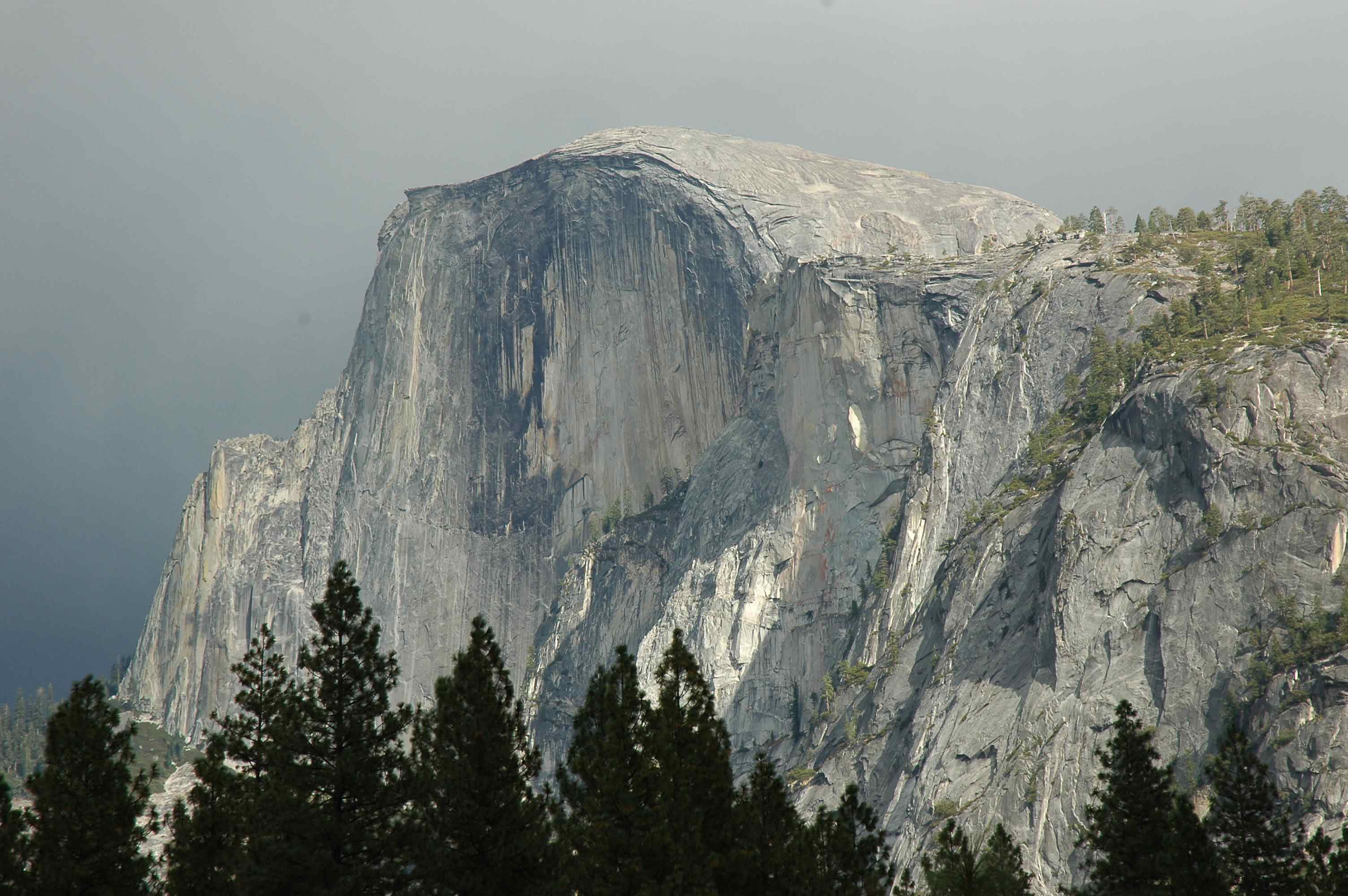
Fortunately (well, for me at least) it is too late in the season for us to test how intrepid we really are. The climb to Half Dome is now closed, the safety ropes removed, and so I am spared the chance to find out if I have the bottle required to inch across this spectacular rock face.

We settle for a Wilderness Trail that starts at Glacier Point. We know we are entering the wilderness when other tourists slip behind and return to the car park, and even more specific is the notice You are now entering the wilderness. In smaller print is advice on what to do in the event of an encounter with a mountain lion. You are asked to stand tall, open your jacket, pick up your children and throw something (ah not the kids). I practice standing tall, throwing open my jacket to look wider and perfect a deep and reassuring roar. I also search in the forest for a suitable stick to wave in the event of a black bear, or God forbid, a mountain lion.

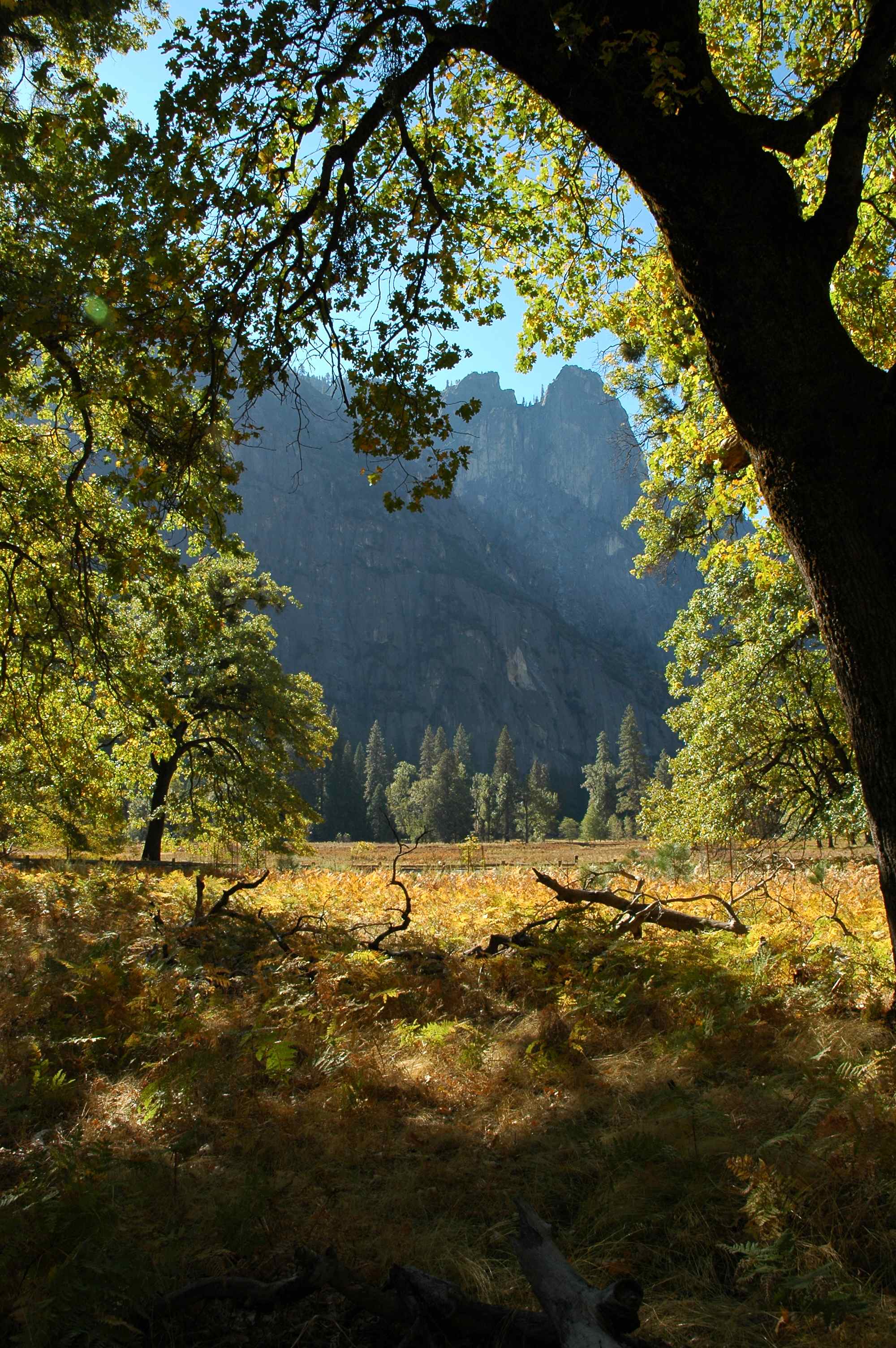
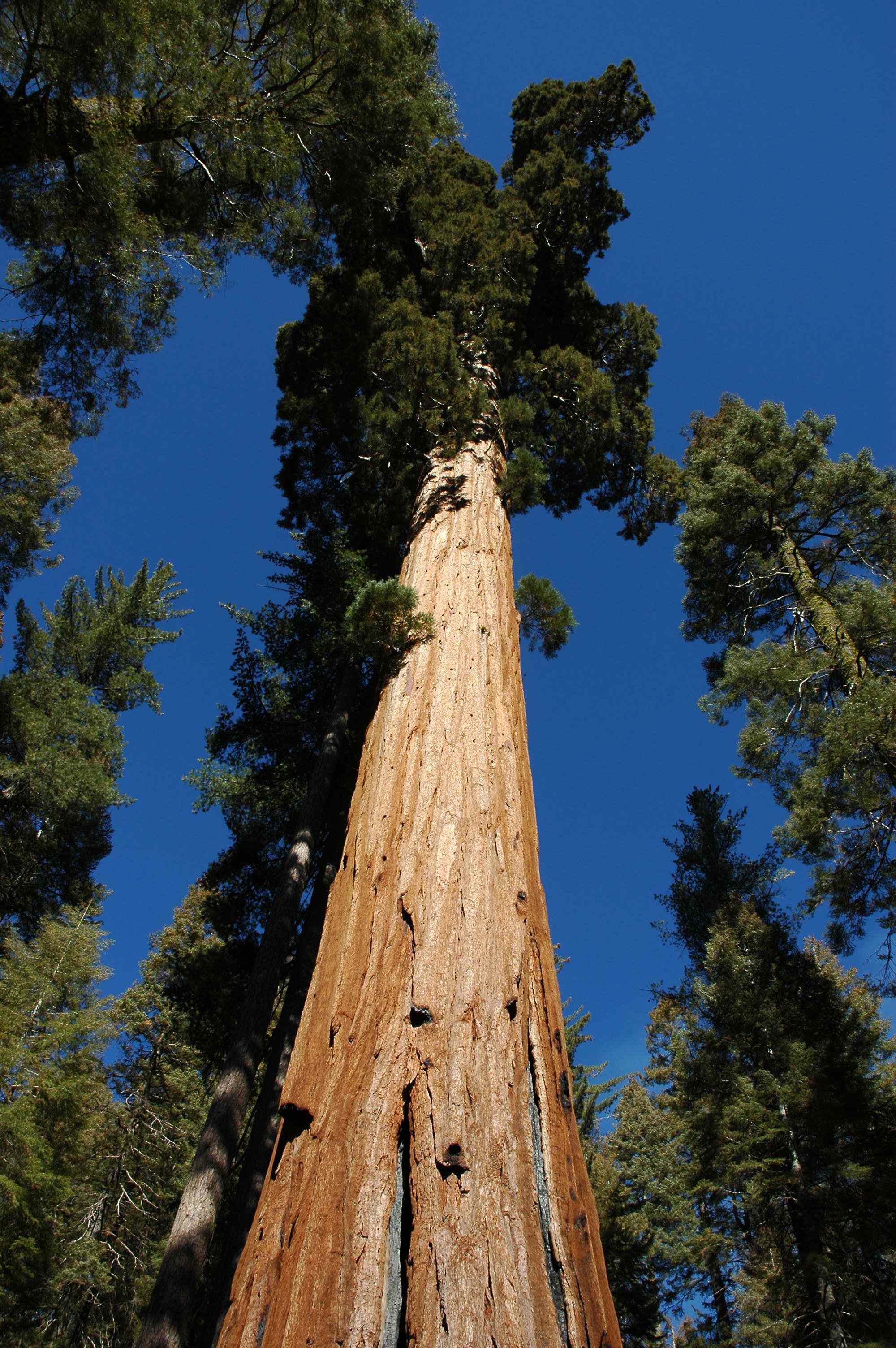
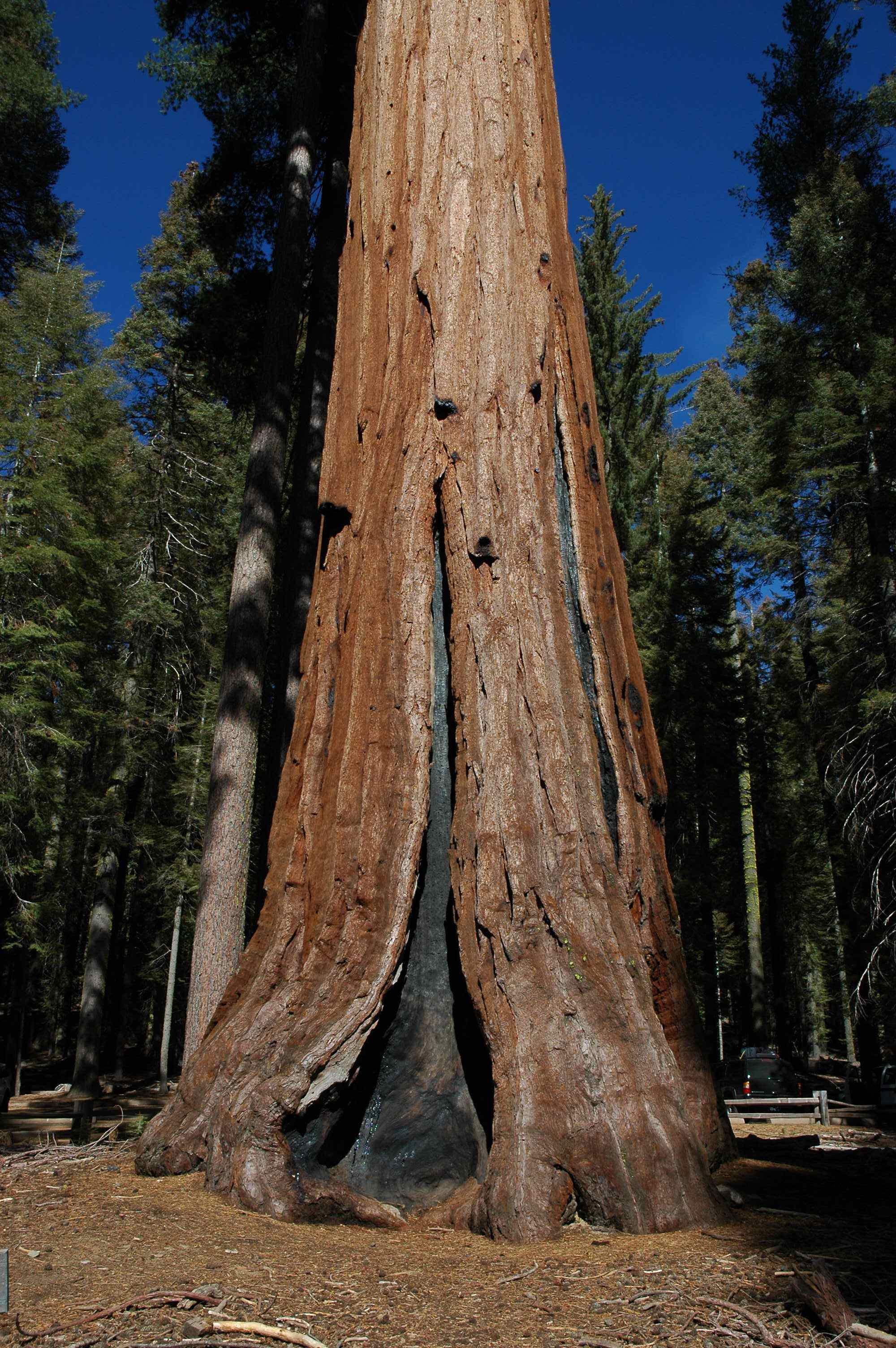
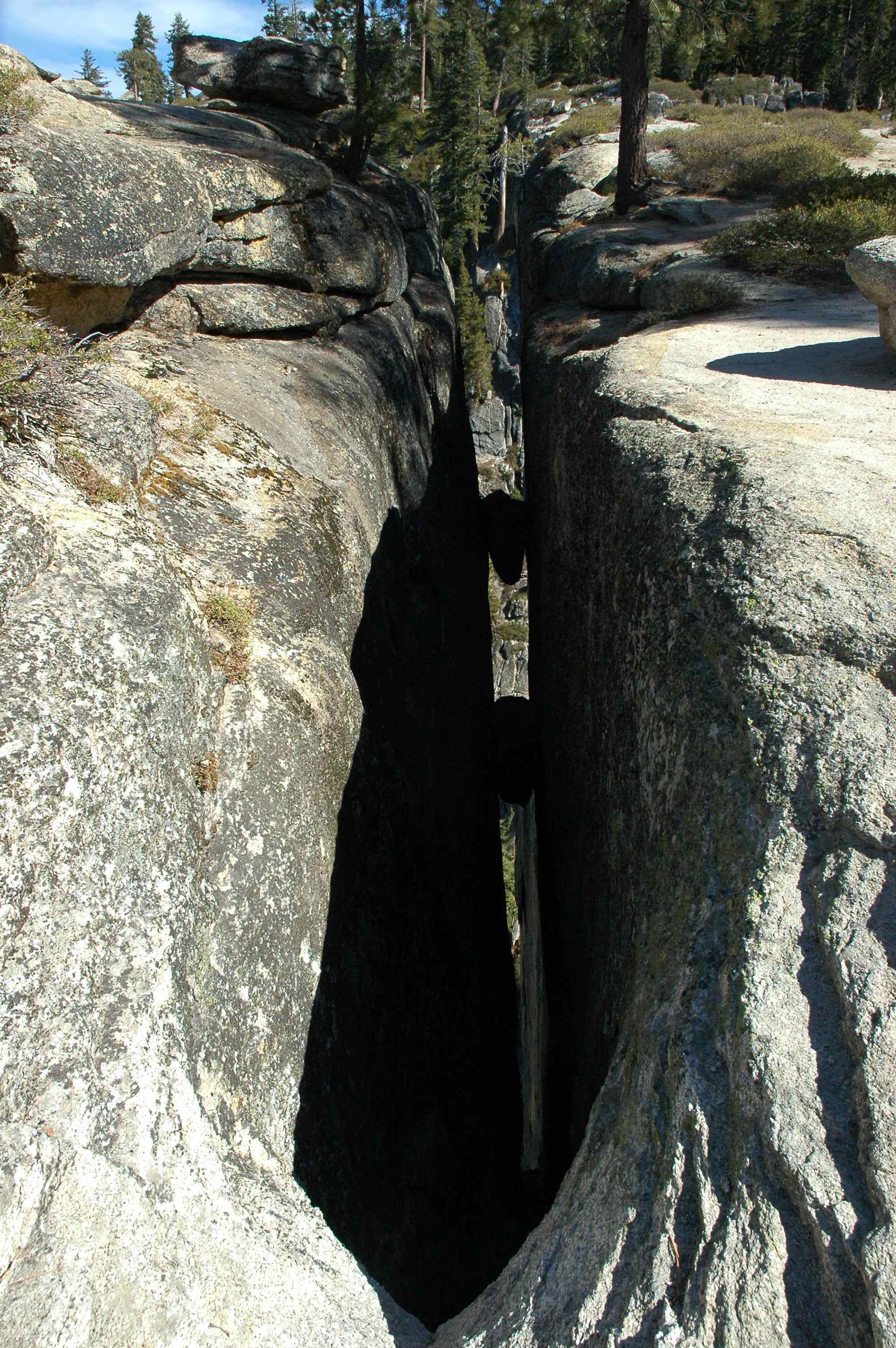
Instead, I see endless blue sky, sequoias, rock formations that defy description and rivers and creeks that could double as Hollywood movie backdrops. I expect John Wayne on horseback to appear over each new horizon, or perhaps Butch Cassidy and the Sundance Kid to be lurking behind the next boulder.
I am influenced too after reading Yosemite by Margaret Sanborn (a book I have purchased at the park), mindful of the indigenous Ahwahnee people, and in particular the story of Chief Tenaya. I’m reminded of my simplistic sixties childhood when the cowboy was the hero and the Indian the villain, a time when I was too young and ignorant to consider the plight of the indigenous American Indian other than as a fictional character. But now, in this haunting landscape, the giant boulders and rock faces taunt me with their secret histories, the sorrows they’ve absorbed. In particular, as a mother, I imagine the tragic sight of Tenaya’s favourite son, shot in the back by the callous white settlers, his warm blood still spilling. John Wayne on horseback is but Hollywood and the story that captures my heart is that of Chief Tenaya. The feelings that linger are of a father’s unimaginable grief at the sight of his dead son, his loss becomes to me, visceral.

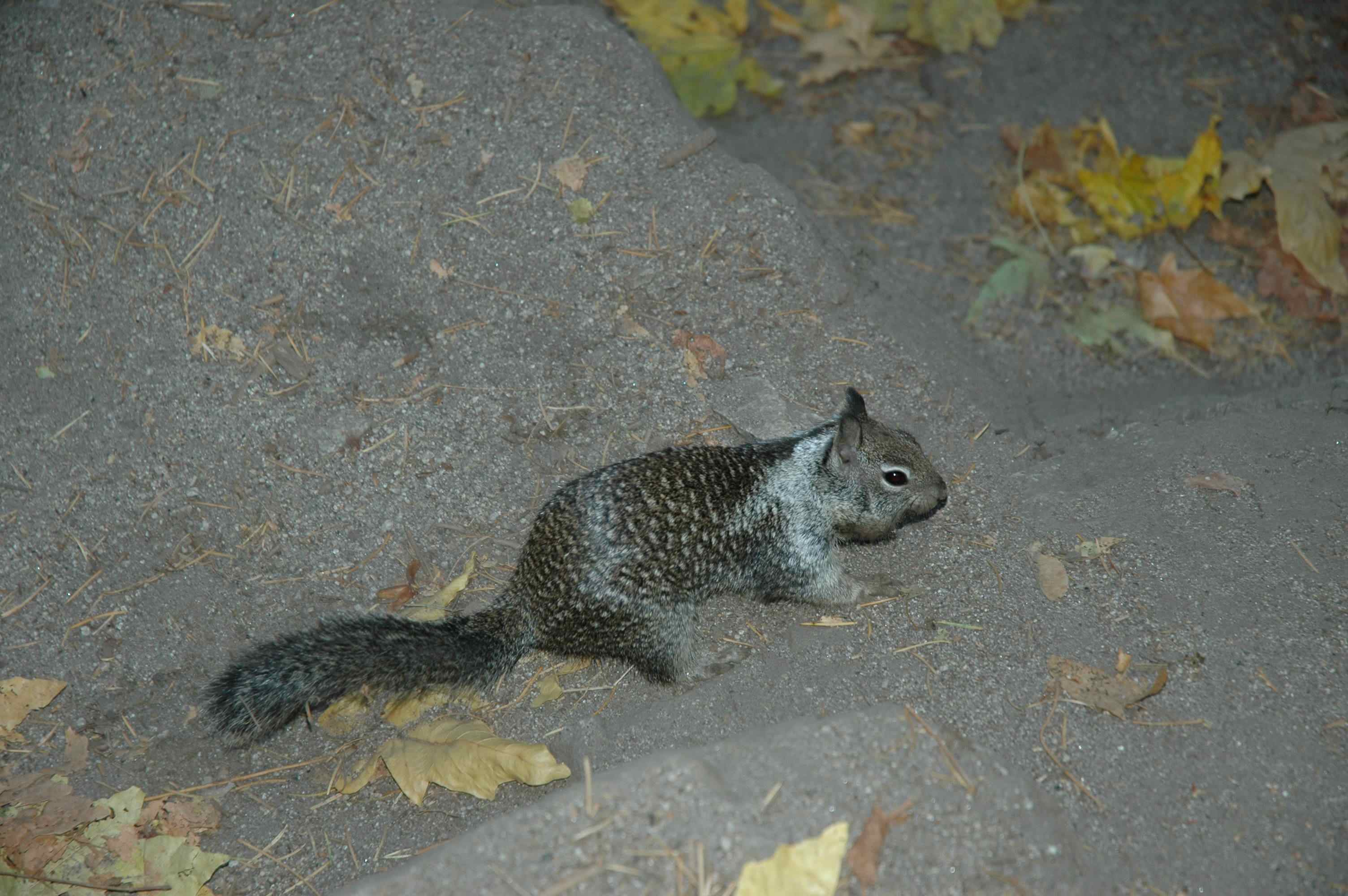
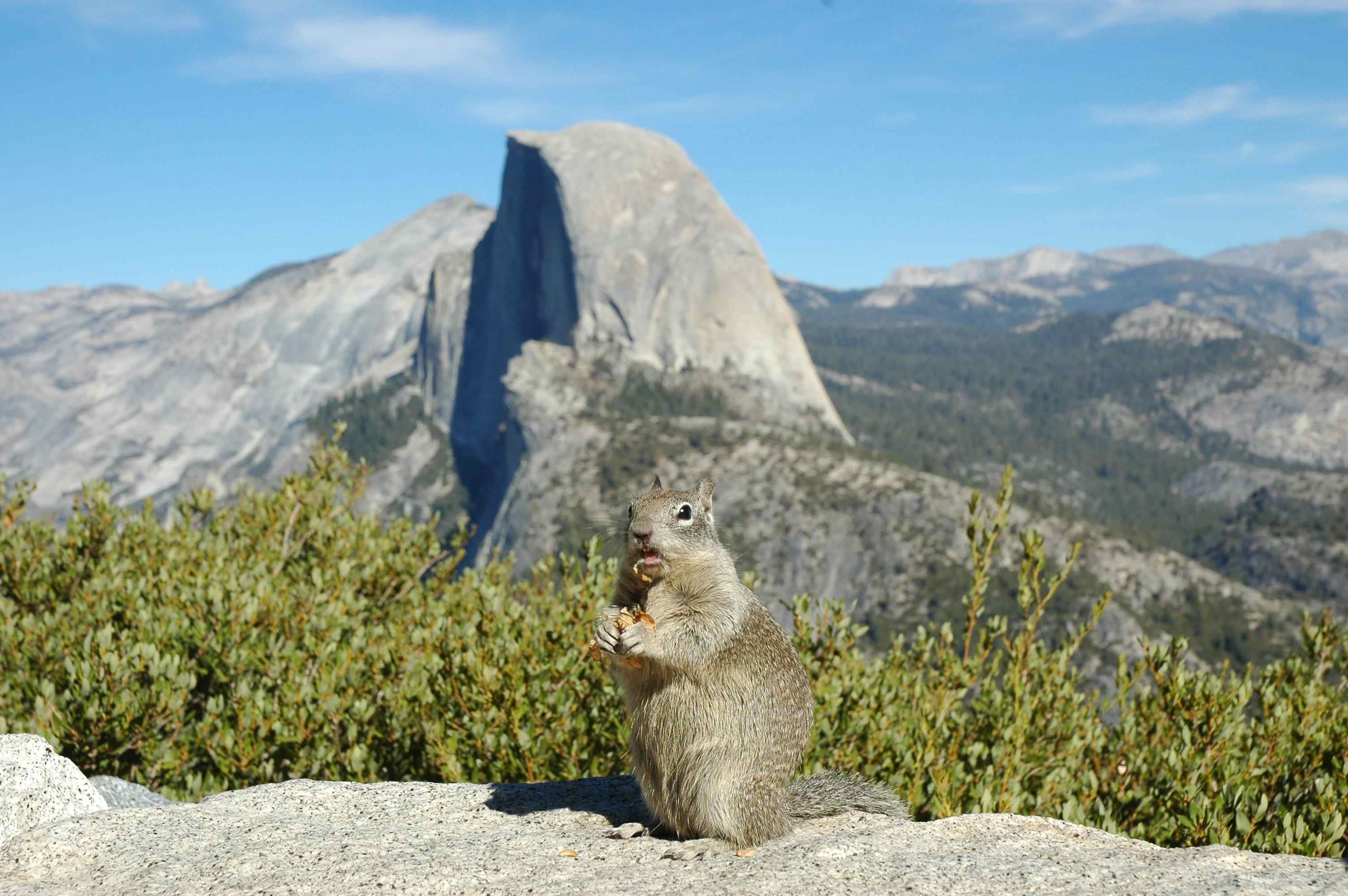
Later, on a less serious note, we encounter chipmunks, creatures hitherto only known from my movie-going childhood in cartoons, or from the comics I read about Chip ‘n Dale. I learn for the first time, the difference between a chipmunk with striped back and face and a squirrel which in contrast has stripes only on its back. I much prefer this sort of encounter than the vague lurking menace of a mountain lion or black bear – although, while waving my stick around to ward off such an encounter, I am half hoping to meet a friendly bear, albeit from a safe distance.

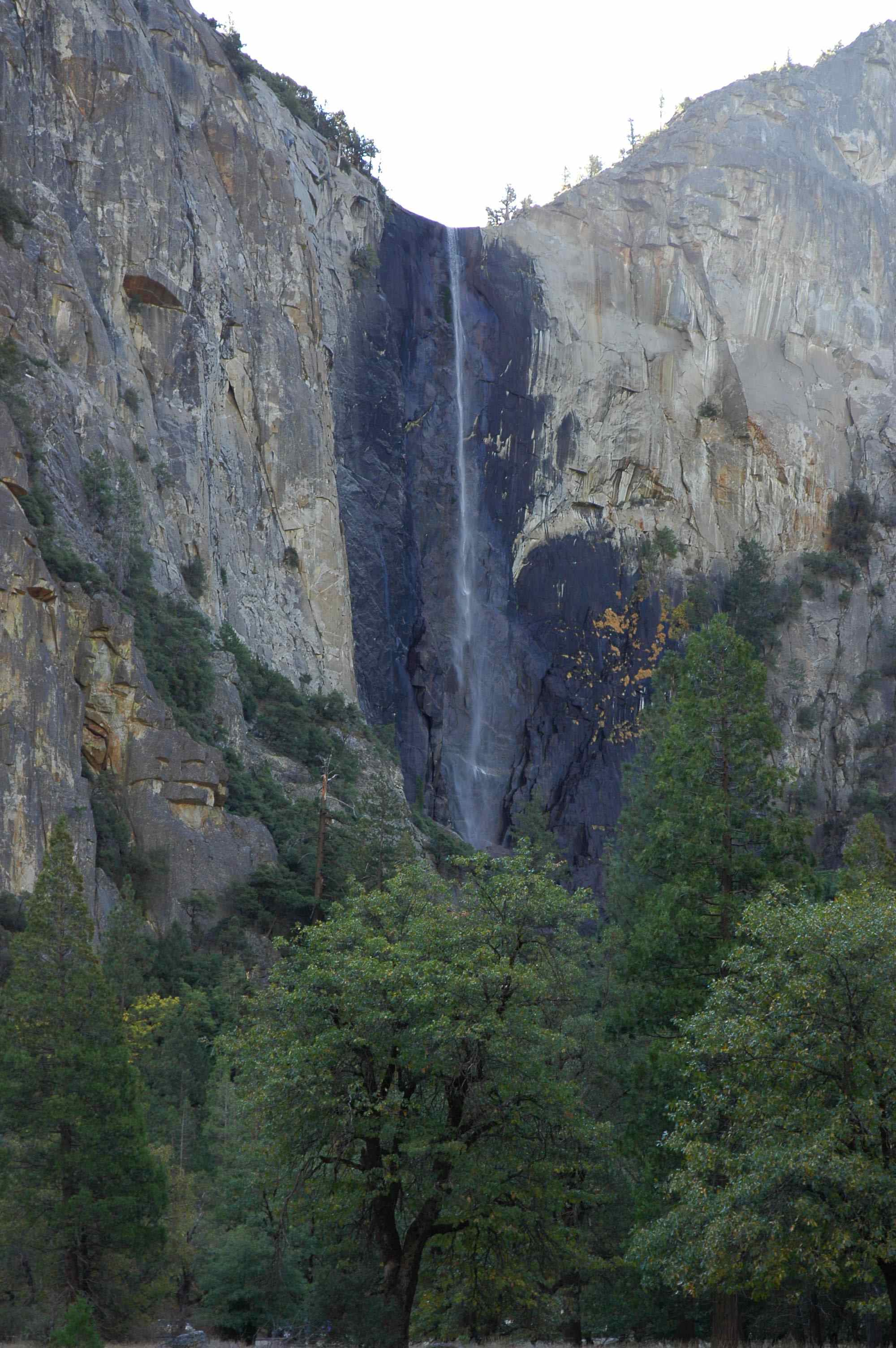
Ah, the High Sierra – the great divide between the eastern and western frontiers of America – the mountain ranges from where the water flows to irrigate California. I know about this because I’ve read Joan Didion’s ‘Holy Water’ essay in the White Album and I read all about the journey of water from granite mountaintops and the funding required to capture this precious resource. The water from Nevada and Yosemite Falls is now but a trickle, but in another season, the rock faces are sheets of water. I marvel at the Meadows created by the Indians – the careful burning to encourage the growth of acorns, their food source….and the flowers. I begin to understand the spirit of Chief Tenaya of the Ahwahneeche Indians and his promise to haunt the rocks and river.

I’d left New Zealand thinking of Bush and Iraq; America as the land of waste and pollution. And here I was in this most pristine of environments. Yosemite is a tribute to the conservationists, and to the American spirit. How quickly we condemn and imagine our own backyard much cleaner and greener. When I thought of the thousands, possibly millions, of tourists who enjoy Yosemite year in year out, and the dedication it must take to retain this original Wild West I was walking in, I was humbled and respectful. Although one is also very aware that, the white settlers stole the Meadows from the Indians and nothing can change that piece of violent history – but now it seems the Meadows have been returned to all Americans, Indians, Mexicans, Hispanics, and Germanics… the great melting pot.

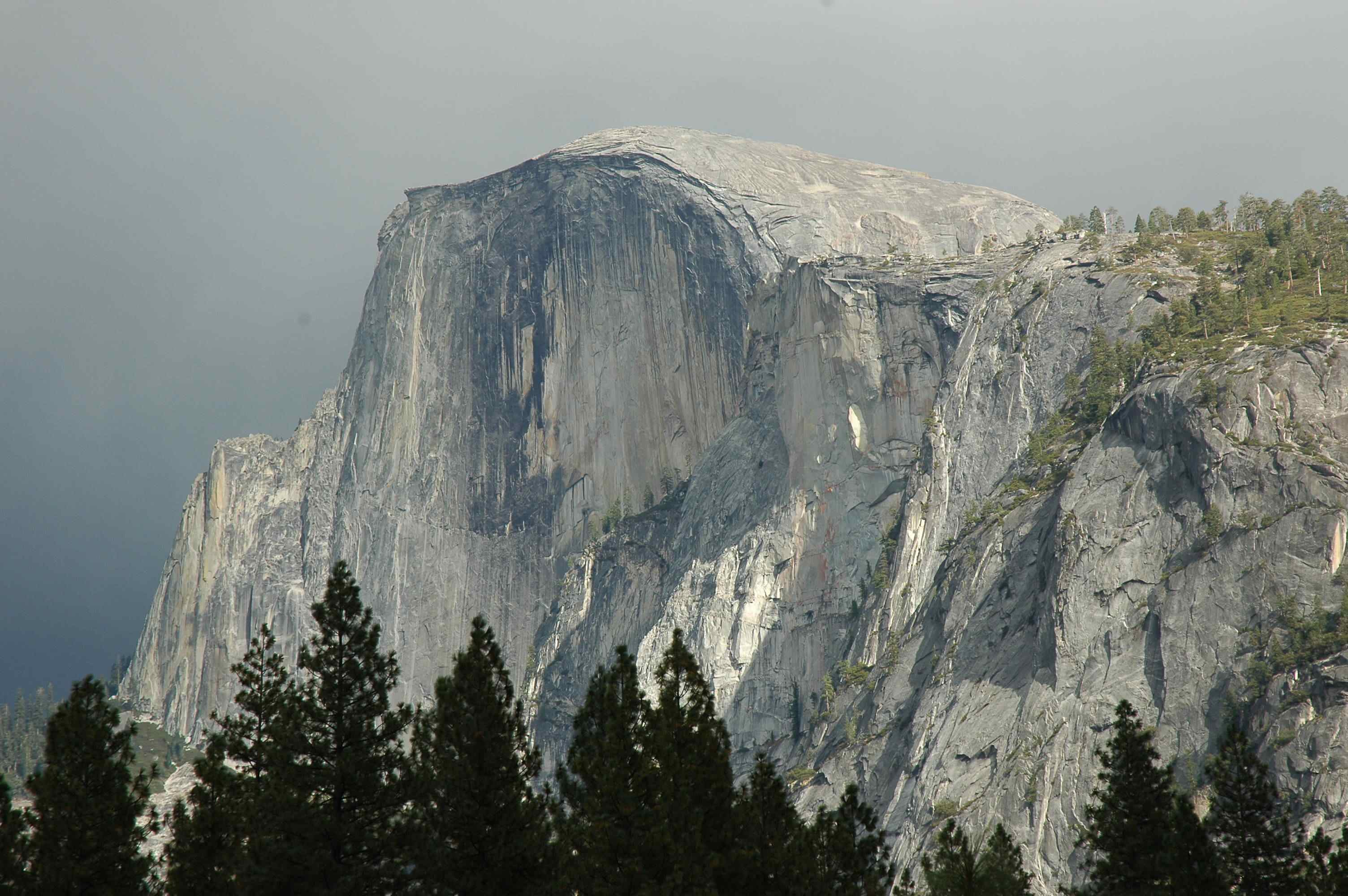
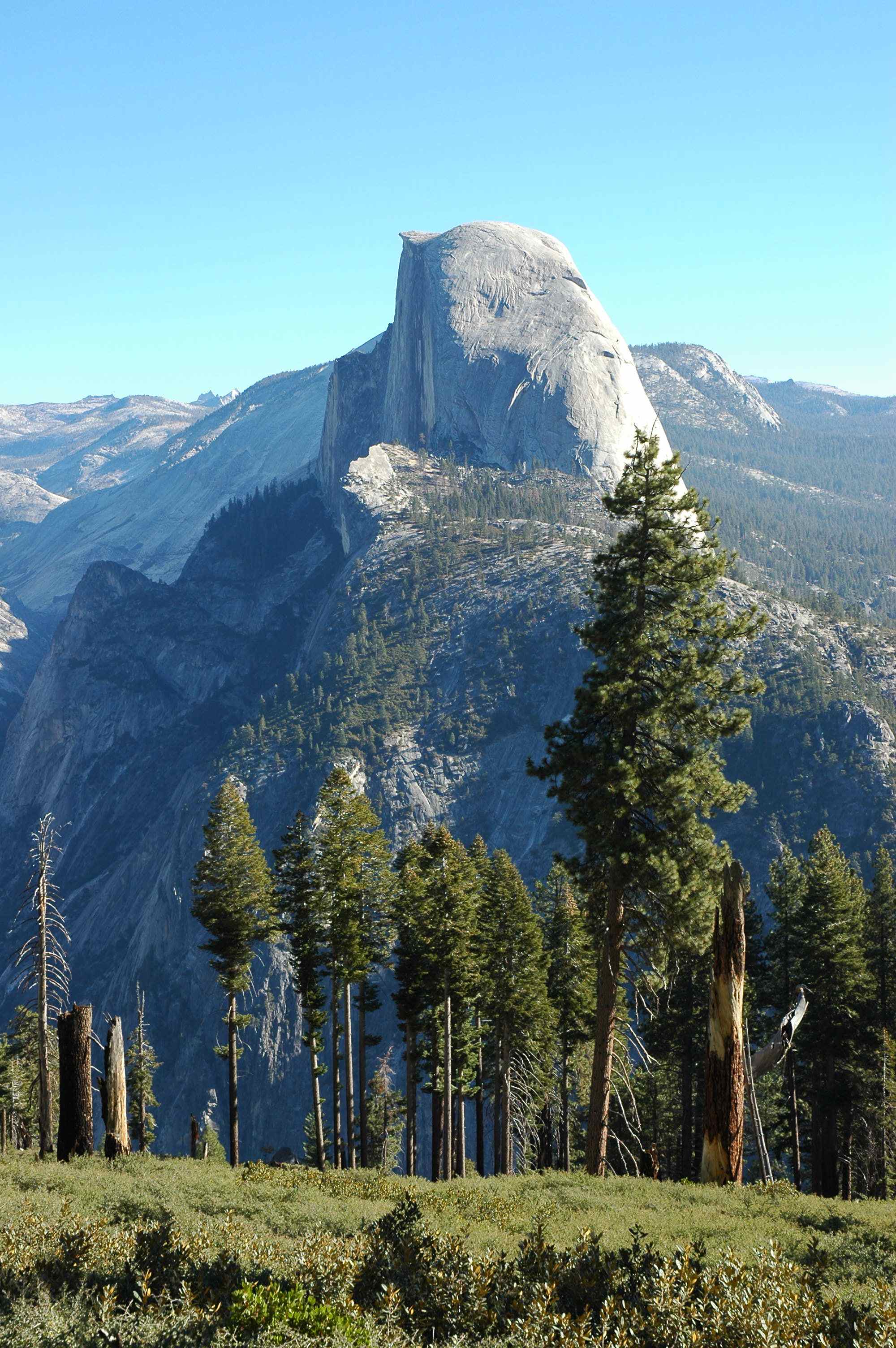
I’m not wishing to romanticise, but I challenge anyone to stand and gaze at El Capitan or Half Dome, and not feel just a tiny bit awestruck, inspired, and indeed, quite a bit hopeful. Yosemite beckons, and I feel that some day I will return – it’s that kind of place.

Mortification

Standard

Last evening, as part of New Zealand Book Month celebrations, I was a guest author at the Lower Hutt Library.   It’s been an amazing month so far, kicking off with Joy Cowley at Te Papa giving the Janet Frame Memorial Lecture, an event that attracted almost two hundred people.  Of course, Joy is greatly loved and revered by readers and writers alike.   As the local Chair for the Wellington Branch of NZSA, I was involved with the promotion and organising of this event, albeit in a small way, because the prime movers and shakers are Nikki and Beth at New Zealand Book Month – not to mention the quietly efficient and extraordinarily helpful Jude Turner at Te Papa.

Not all authors are as fortunate as Joy, not all are as worthy.   And when you are a lesser known author and invited to speak somewhere, there is always a little sense of panic that perhaps no-one will turn up.

Some of you may have read Mortification ‘Writers’ Stories of their Public Shame’ edited by Robin Robertson – the sometimes hilarious and sometimes very salutary tales by famous authors of their moments of mortification.  My favourite is Margaret Atwood in the Hudson’s Bay Company Department Store in the Men’s sock and underwear department, at her first ever book-signing (The Edible Woman) surrounded by books and what she describes as “the sound of a muffled stampede as dozens of galoshes and toe rubbers shuffled rapidly in the other direction”.   She evidently sold two copies of her book.

My own first mortification was also at the launch of my first novel About Turns. Our local bookshop Rona Gallery, who are tireless supporters of local literature, duly decorated their entire shop window with posters of me and my novel and set up a darling wee desk and chair right in the window as you came into the shop.    There I sat one Saturday morning, my pen poised, surrounded by piles of books and a couple of curious customers who chatted about my book but didn’t buy.   And then, in came the local butcher Barry in his striped apron and shorts.   Barry is a tall man and not a small man and he cuts a dash in his shorts.   It seems he had been sent dashing from his shop by one of my friends who told him “Maggie’s in an empty shop surrounded by books, go and buy one.”    And so, my first sale was to Barry the butcher and I’ve never forgotten this.   He’s famed for his bacon chops (Steve Braunias put them on the literary map) and of course, now I’m a loyal fan of bacon chops and my local butcher. And then I have to add, a very lovely neighbour rushed in, sent by his wife, to purchase a copy.

And so, last evening, setting off in my car on a wet cold evening I was bracing myself for the idea that there might well be no audience at all, apart from the generous Friends of the Library who had invited me to speak.   Well, as it turned out, it was a small and intimate group, but a most enjoyable evening.   Two loyal friends also turned up to support me and the audience were warm, receptive and flattering.   I sold five books.   Let me repeat.  I sold five books.   I had not expected to sell any books and especially not at the library!

My new novel, (first chapter), as yet unpublished, got an airing and seemed to be appreciated and we chatted informally at the end about libraries, publishing in general, the covers of books (oh that is a whole other blog some day) followed by a cup of tea and biscuits.   What delight, when a young man (well young to me anyway) approached me to talk about both my novels (hooray, a reader) and we began talking about Adam from Turbulence and whether or not he was going to stay with Louise.   Oh, there’s nothing a writer likes more than talking with someone about their characters in this way.   To think that the character matters that much to someone, or that they care.   He thought that Adam would get thrown over for one of the ‘suits’ eventually, once the girls left home.   I agreed that might happen, but best of all, this reader wanted to know what happened with the strike on the bridge after Adam got home.    A number of readers have told me they felt Turbulence ended too abruptly, and indeed, a friend phoned me to say she had really enjoyed it but the copy she purchased had pages missing at the end!

The same young man also didn’t like what happened to Paula in About Turns and tackled me on this topic. It’s quite startling to suddenly be re-engaging with your characters in this way. He said he’d really liked the book but couldn’t understand why I had to do that to Paula.  I recall Iain Sharp’s review in the Sunday Star Times which was rather glowing, and he had felt the same.    Of course, for me the Paula theme is central to the title About Turns but it’s always good to know what a reader thinks.  And dare I suggest, that perhaps these two male readers were disturbed by something they couldn’t really believe in, whereas most of my women readers (well, the ones who spoke to me), got it.

And in the end, no mortification for me last evening, and instead a lovely local affirmation, a good conversation and for this, I must thank the Friends of the Lower Hutt Library.   It is a very special feeling to be feted in the library, to know that your book is on the shelves and that sometimes it goes out the door under the arm of a hopeful reader.   More even than on the shelf in a bookshop, this to and fro from a library of their book is I think the dream that most writers hold in their hearts.

I’ve added a link to a scathing review in the Guardian of the book ‘Mortification’ because it also lends a view to  idea that writers are not actually due any sort of adulation and therefore probably deserve their moments of mortification – and to some extent, I can’t help agreeing.  It’s the terrible tussle of ego, the wanting your readers to care, but in the end what really matters is whether they read your book, not whether they like you, or turn up to listen to you.

The Book of Mormon

Standard

In today’s Dominion Post there is an article about a new Broadway musical  ‘the Book of Mormon’ by the makers of South Park which appears to mock and applaud the Mormon religion in equal measure, described by Matt Stone and Trey Parker, as ‘an atheist love letter to religion’.   If you believe the article, this musical is set to take Broadway by storm and seems to be finding favour with both atheists and Mormon’s alike.   No mean feat.   It brought to mind a recent experience I had on a provincial commuter route flying south to visit a dying Uncle.   I had boarded the Dash 8, found my window seat and was just adjusting my seat belt (something I always do long before take-off) when filling the aisle were two large handsome men in dark suits.   The sort of men that you instantly recognise as God-botherers by their bulk, their youth, their suits and your own prejudice.   I heard a voice apologising to me before the owner of the voice sat down.   This is such a Kiwi thing, to say sorry even before a perceived infringement.      I imagine the young man was already considering the inconvenience he would cause as he placed his large frame in the small seat beside me.   I smiled at him and squeezed myself a little smaller (I’m not that big anyway) and turned to look out the window.   I’m a nervous flier, and frequently force myself to watch out the window to will myself to enjoy the spectacular hurtle down the runway, the miraculous lift-off, the shifting land and sea beneath, to convince myself that this is extraordinary, instead of terrifying.

It was a perfect Wellington day and as we flew across the harbour the city revealed itself, in almost cloudless serene perfection.   The young man watched over my shoulder out the window as the plane veered, banked, climbed and we peered down on my city.   I shifted a little to afford him a better view, we commented on the beauty of the grey buildings, the perfect day and this led to confidence (mine in being on a plane, and his in sharing why).

The young man told me he was heading south to take up his very first mission.  I didn’t need to ask what sort of mission, but he told me.  He was a Mormon from South Auckland and leaving home for the first time in his life to visit a small provincial city, the size of which he had no real idea.   It was the city I grew up in and even I couldn’t enlighten him of the exact population.   We speculated.   He said his Mum would miss him, but grinned and told me that possibly it was time he left home anyway.   He was beaming with something irrepressibly innocent and wonderful that I recognised – something I once had in bucket-loads when I first left New Zealand on a ship to Vancouver to then embark alone on a Greyhound bus trip around the United States in search of love.  It was the very early seventies, and I wanted to see San Francisco where the flowers grow and I was in search of love somewhere between the moon and New York City (and long before that song). I recognised and envied this young man’s remarkable innocence and fresh enthusiasm.  I went from wanting to ignore him to wanting to know more about him.   It didn’t take long.   We soon hit a wall of cloud obscuring the usually panoramic Marlborough Sounds and so I was forced to turn my face from the window to my companion’s face.   He told me about his friend who was heading to Blenheim and wondered how far away Blenheim was from his own mission.  On this I could enlighten him.

So, I said, ‘you’ll be door knocking’.   Yes, he told me, that is what he would be doing.   He would be living near the rugby park in the city and cycling – and then he hesitated and asked me if there were many hills.     Well I said, matter-of-factly, you’re going to face an awful lot of rejection.  He grinned and explained that this was all part of his moving into adulthood.   And, he added, that once he got the hang of rejection, he was planning to find a young woman to marry and by the time he got to that stage, he’d be ready for her, if she said no.   What could I say to that?   I imagined this fortunate young woman being pursued by a handsome dedicated lad determined to marry her, and allowed romance to carry the day.  Perhaps she too would believe and they would ride the bicycles into the sunset with or without the romantic raindrops falling on their heads.

He told me that for the two years he is on the mission he is not allowed to watch television or listen to the radio and this led me to thoughts of the upcoming World Cup and I just knew this young man was a rugby fan.   What will you do I asked him, during the World Cup, surely you’ll want to know how the games are going, the scores, who’s winning?   He grinned, and agreed, it was going to be tough, but he had a small window of opportunity.  It seems he is allowed email contact with his family and friends, albeit not Google or any access to mind-altering news bulletins – but, he supposed that somehow his friends would leak information about the rugby.    I imagined this handsome eager evangelist on his bike ducking into a local dairy for an ice-cream and dodging the newspaper headlines.   I could see him door knocking during the World Cup, and local rugby enthusiasts answering their doors, the rugby on replay, annoyed at the interruption, him beaming, them growling, and maybe Sonny Bill Williams poised for a cup winning try and my companion, trying to ignore the TV and focusing on God.

We were firm friends by the end of our short flight and we shook hands and I told my local friends whom I spent the weekend with, they must look out for him, no matter how they felt about God, and if not a cup of tea, then perhaps a chat about rugby with him later in the year.