Kate Sheppard and a tinfoil mouse

Standard

I recently read Penelope Lively’s ‘Ammonites & Leaping Fish‘, a thoughtful memoir in which she explores the meaning of memory and links moments in her life to precious objects, not valuable artefacts necessarily, but meaningful and even sentimental. Ian Wedde, too in his recent memoir ‘The Grass Catcher’ evokes memory through objects and the odours of his youth. The main object being the grass catcher. (Some of the odours he mentions are best left to be read about.) Although, I guess there’s probably not a Kiwi kid from the 50’s and 60’s who doesn’t remember the smell of freshly cut grass, and a hand mower with a canvas catcher. Or indeed, who doesn’t recall the whiff of two-stroke petrol when the family upgraded from a hand to a motor mower… and in your over-enthusiasm pulling out the choke, the mower flooded.

On reading these memoirs, I realised that my garden whenever I wander in it, evokes important milestones both happy and sad. It was over Labour Weekend, home alone with a broken wrist, somewhat sorry for myself, that I sat reading on our sunny deck and recalled it was my Aunt’s birthday.   That’s my deceased Aunty who would have been 94 this year. What made me recall her, was not just the date, the 25th of October, her birthday but that she would often come to stay with us for Labour Weekend and we would share her birthday. And that the cherry blossom tree that we built the deck around would be in full flower. Since then, we’ve chopped down the cherry tree – as it was taking up so much room on the deck but the memory of the cherry blossoms and my Aunt are intermingled.
001

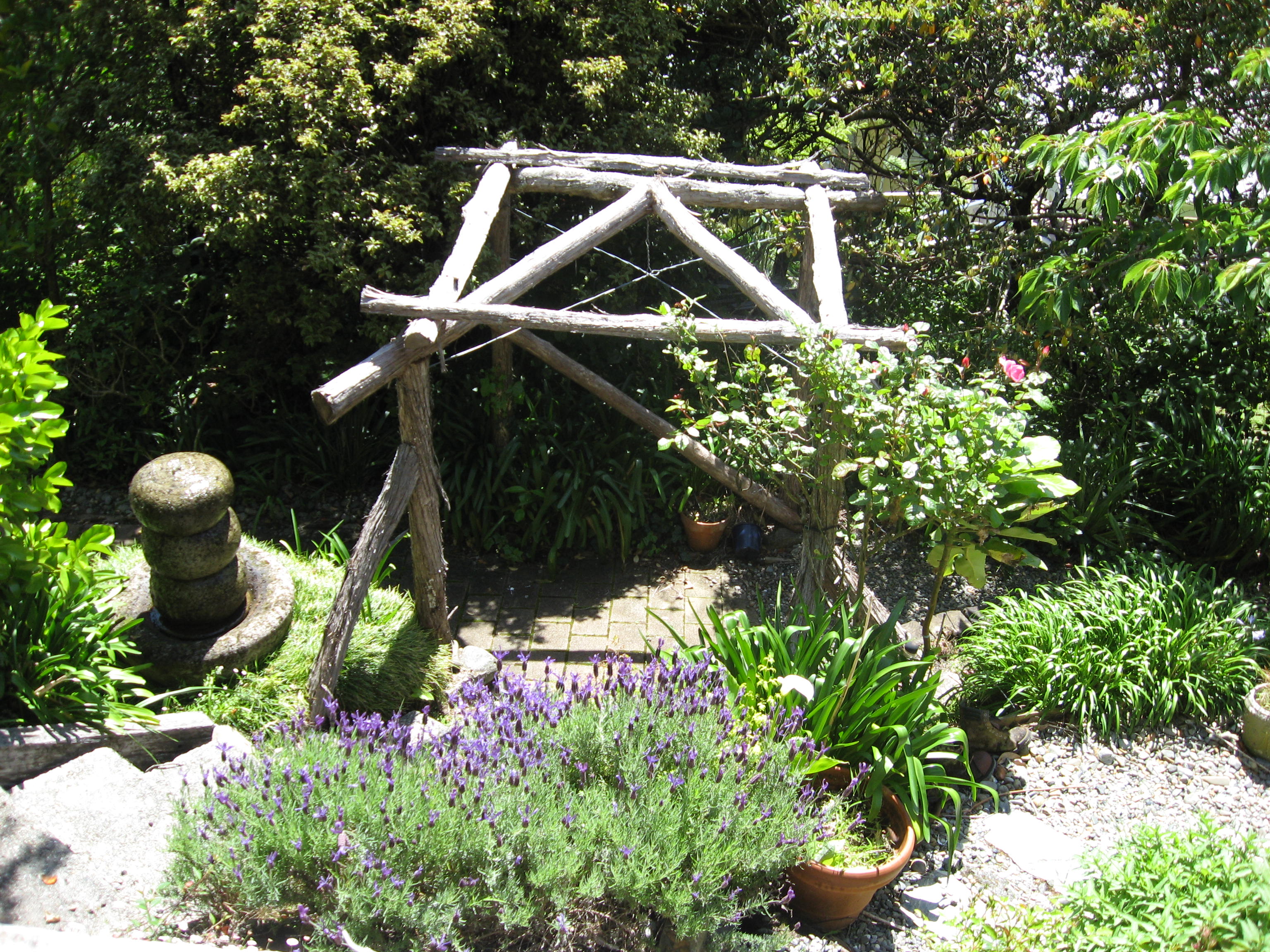
This prompted me to explore my garden and I found another blossom tree that forms an almost canopy on the lower part of our hillside section. The first year we moved into this house, our youngest son was six (he’s now 33) and we have a photograph of him standing under the flowering canopy with a chipped front tooth – memorable, because that very next day he was going to be page boy at the wedding of friends, fully decked out in matching tail-coat with his father who was the Groomsman. I remember being annoyed he’d broken his tooth. The couple who married, now have a daughter off to university next year. Whenever I look out our bedroom window in Spring and see the blossoms, I see our son with his chipped tooth, and then I remember our friends’ wedding anniversary.

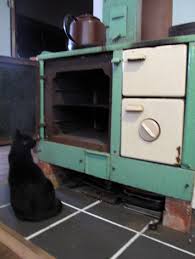
Immediately beneath the blossom canopy is a very important memorial to our deceased cat Red who just happened to be a almost twenty year old black and white cat. Our granddaughter who adored Red, has made a pile of stones and shells in the garden as a tribute, and this includes a once shiny tinfoil mouse. The cat’s ashes are inside our house in a box, or are they? That’s another story, told in a poem and here is the link.

DSCN0023[1]

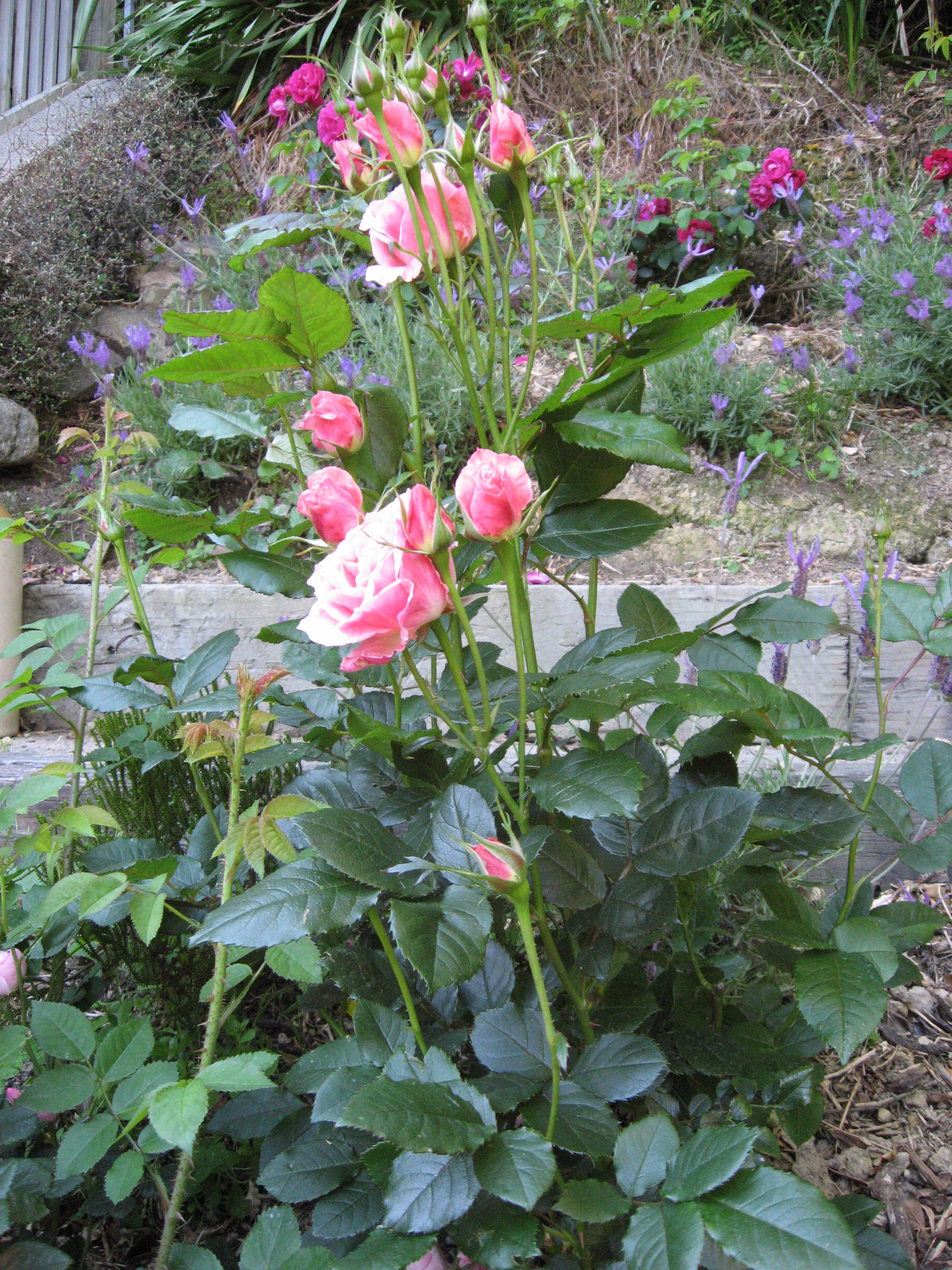
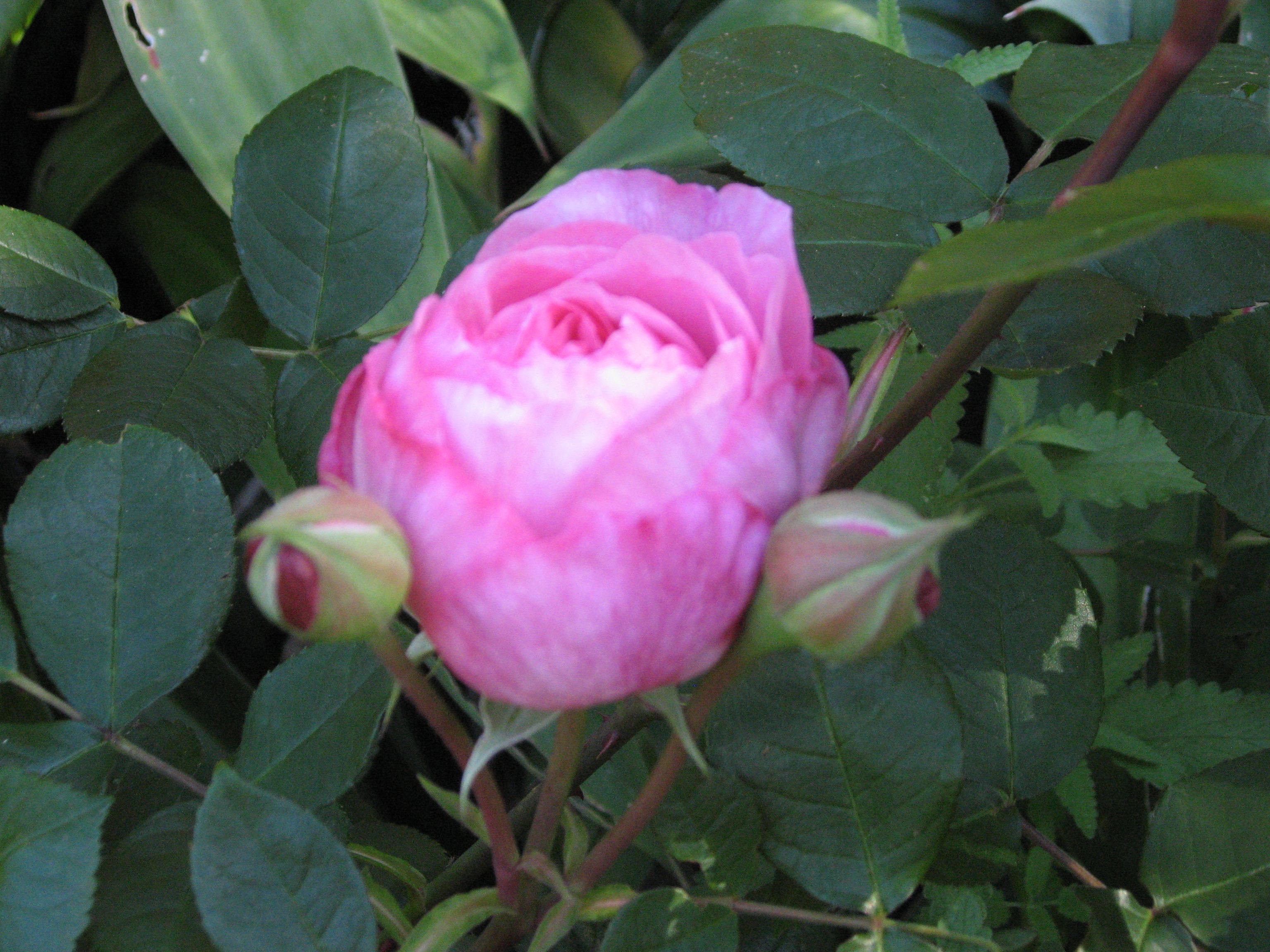
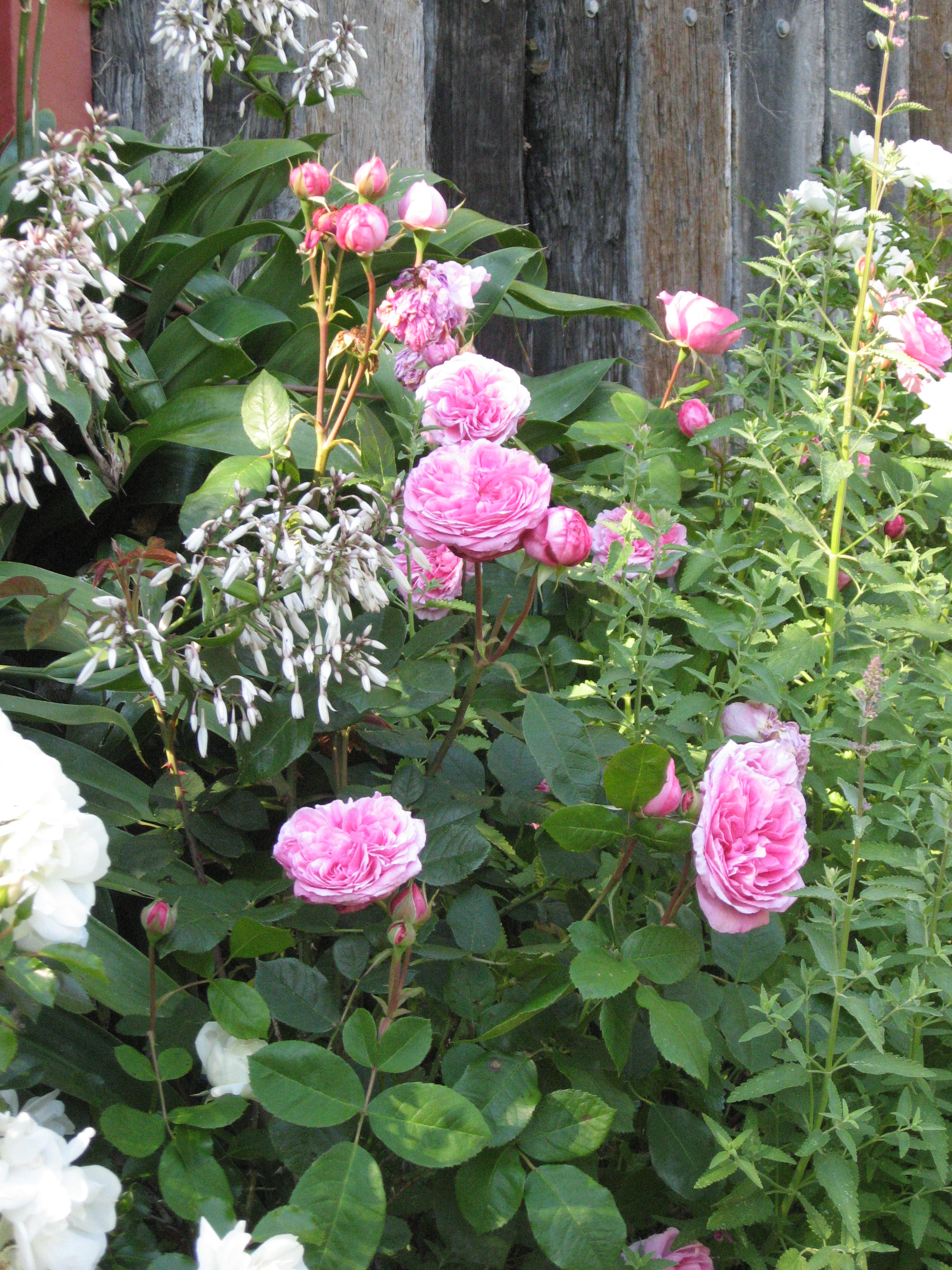
Then there are my roses. They bring me both joy and a stab of grief.   Roses enjoy being hacked it seems. The possums last year were feasting on my roses, and so I cut them back savagely to pervert the possums – it seems the roses enjoyed this and they are looking positively radiantly ready to burst into many buds. This includes Kate Sheppard, named after the feisty Kiwi feminist whom we thank for the vote. My Korean daughter-in-law helped me plant Kate – a treasured gardening memory, all the more poignant as this year, she moves on to a new life, away from our family. No-one warned me that as a mother-in-law I could also have my heart broken.
029

Kate Sheppard 2011 005

The Kate Sheppard Rose

The Kate Sheppard Rose

More violent and perhaps funnier, is the silk tree at our gate. One day, some years back now, after a fiery argument with my beloved, in fury and frustration, I attacked the silk tree – it was growing out over the path and obstructing the entrance. I chopped and chopped and snapped and attacked and I’m not sure what my neighbours thought. I felt bad afterwards and imagined the silk tree doomed, but it, like the roses, has thrived – but always to remind me of my tantrum.

Then there are the daisies that were once very fashionable in cottage country gardens. I tried slavishly to cultivate a cottage garden look to no avail. And then when we converted to a more coastal (but let’s keep the roses), suddenly the packet of seed that I sowed decided to grow. And now those daisies are considered weeds, but I allow them their rampancy as it only seems fair that they have tried so hard. They interweave with a beautiful old-fashioned red-leafed creeper with tiny mauve pom-pom flowers. The two fight for supremacy and I keep them both in check.

Too, as you enter out front gate by the almost demolished silk tree, there is a softly delicious smelling jasmine plant that entwines with the wildly fragrant honey-suckle. Both plants are now considered ‘outlaws’ as we live next to a native reserve… but the scent is so delicious of an evening that I cannot bring myself to be rid of them entirely. Inside our front gate are two Daphne bushes bringing their ‘lawful’ luxurious bouquet to our doorstep. Dare I mention my rogue (practically heretical) ginger plants. They look so striking and I’ve tried to strike them out. Alas, they resurge.

The last important memory is about our first day in this house. We inherited a beautiful old-fashioned garden and one of the main attractions were the pink water-lily dahlias. The previous occupant an older couple who had tended the garden for years with love and affection, slyly dug up some of the ‘considered rare’ dahlia bulbs and took them to their new abode. Due to landscaping and renovation, I no longer have any dahlias, but I know where they should be and they remind me of the key to the house, left in a glass bottle under the front veranda by the same elderly couple. And too the note they left us, filled with daily, weekly, monthly chores to be attended to, including the trimming and clearing of the zig-zag down to the road below. There’s a blackbird that comes to sing. We’ve named him after the dear old chap who lived here before us – although we’ve been in the house now for over 25 years, and I’m not sure how long blackbirds live…

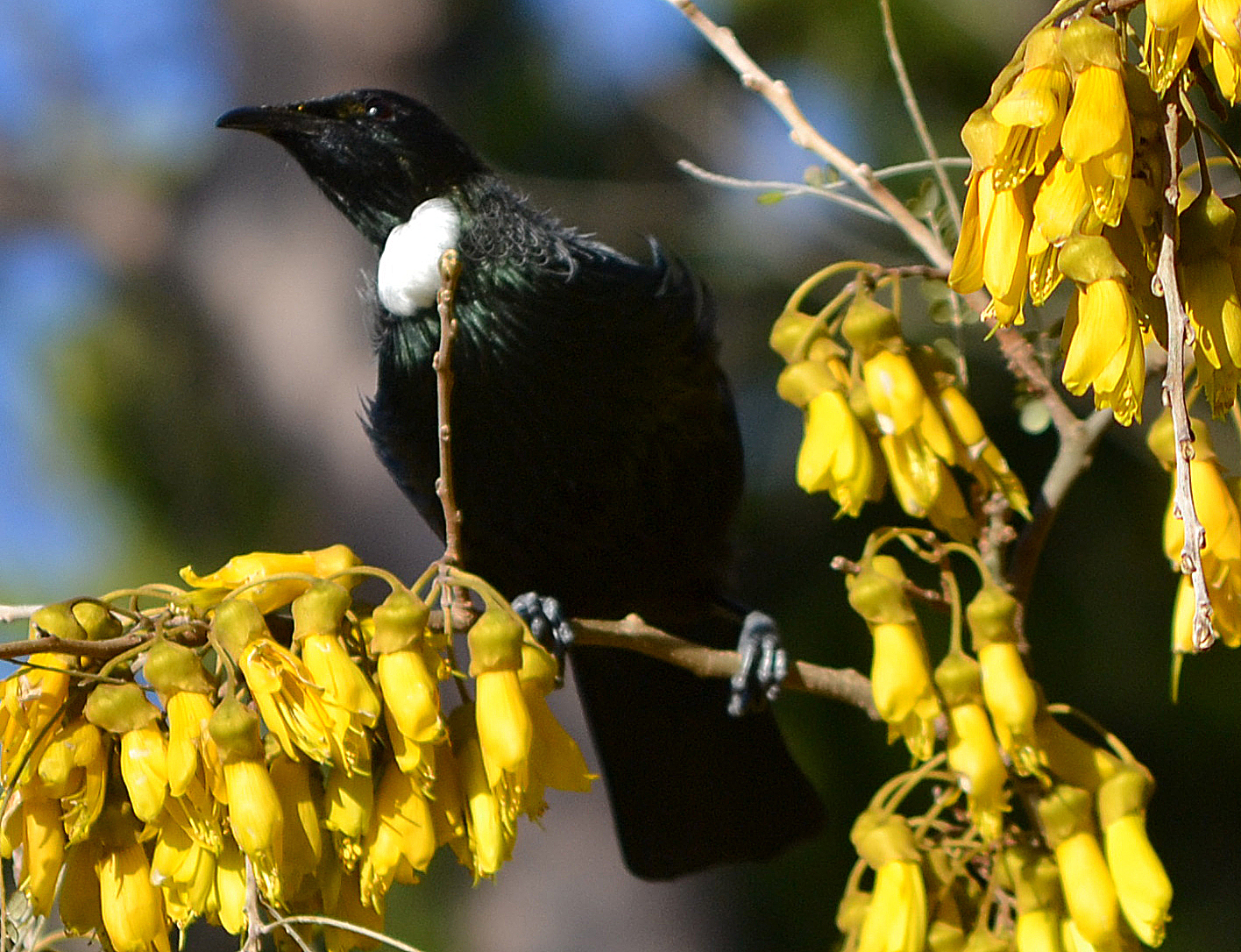
Recently I posted a poem inspired by the tuis in our Kohwai tree. This tree was but a wind-blown seedling on the side of a clay bank that I was about to tear out while weeding when we first moved in. Something stopped me. It seemed wrong to not want a Kowhai, even though it was in the wrong place. The Kowhai now is a superstar where in springtime eight or nine tuis can be found feasting. It shades my washing line, something I lament, but the song of the tuis and the sight of the overweight kereru, more than compensates.
Tui 3

So, my garden is full of birdsong, flowers and my heart’s song, a testimony to loss and new growth.

Saturday night fever and the supper waltz

Standard

Saturday night fever and the supper waltz

Saturday night fever and the supper waltz

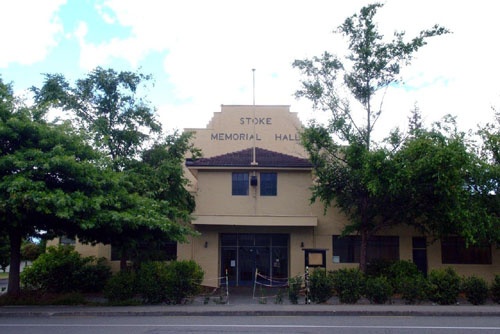
A friend’s blog has inspired me to write. She wrote about going to a dance recently at the local Cosmopolitan Club with her daughter. Her words conjured up tangible memories of the Saturday Night Dance at the Stoke Memorial Hall. It’s a long time ago. But reading Fiona’s blog, I was right there in my best frock seated on the wooden benches around the perimeter of the hall, waiting to be asked.

We’d spent all day thinking about going to the dance. We even went so far as to cycle to the river to swim with curlers in our hair. Sometimes (not often), we splashed out and bought a face mask from the local Chemist and sat in a hot bath to steam. We didn’t wear a lot of make-up but blue eye-shadow was big back then, I’m sure we wore blue eye-shadow. Pink lipsticks were pretty de rigueur also, or peach, or shades of pink and peach. I’m not sure we wore foundation, but I do recall pancake make-up that could be applied with a damp sponge – perhaps we did that.

stoke-war-memorial

The Stoke Memorial Hall had a polished wooden floor and a raised stage where the band played. It was the days of more formal dancing and the highlight was always the Gay Gordons. My friend and I had learned to do the Valletta and the Foxtrot and the Methodist Church Hall in Richmond (even though I was Catholic). But the Gay Gordons was a wildly exhilarating way to meet almost all the boys in the hall. For some reason, the fat boys with sweaty palms were always the lightest on their feet. You might not want a ride home with them, but you loved the way they swung you around and too, their gentle soft bellies if you stumbled.

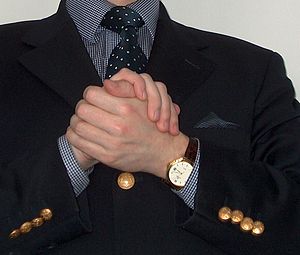
Most of the lads wore suits. It’s hard to imagine, but they did. Suits and ties to dance, or a sports jacket. We loved sports jackets. There was something quite dashing about a sports jacket, or even better, the reefer jacket with the extra silver buttons on the outside sleeve. Single versus double-breasted, a lot could be elucidated from such sartorial observations.

2177.1G

300px-Blazer

284190-A17933

We gave no thought to the terror the lads felt at having to cross the room and ask us to dance. All we knew was the terror of waiting to be asked. Naturally we reserved the right to say no, but it never occurred to us how awful that might be for the rejected suitor. Inevitably, there’d be one or two absolutely ‘must-have’ lads and inevitably, they were snapped up by the one or two ‘must-have’ lasses. This left the rest of us to make do with each other.

The Gay Gordons gave you a decent over-view of prospective rides home…

My friend and I would catch the bus to the Stoke Dance. The buses stopped running some time after ten o’clock and so we had a pact. One of us would find a boy with a car to drive both of us home. It was usually around supper time, after the supper waltz that such arrangements were confirmed. In the bright lights with asparagus rolls on side plates, or a chocolate lamington, we’d make eye contact perhaps for the first time that night with a potential ride home. In the full glare of the supper lights, potential rides home were able to be scrutinised and must have lads and lasses, sometimes faded to also-ran in the 100 watt reality. I guess that’s why the story ‘Supper Waltz Wilson’ the title story of Owen Marshall’s first short story collection, captured my heart immediately.

I don’t recall any of those rides home, but we were pretty safe, as we always went together – one ride was all we required. Whomever of the two of us was lucky enough to be liked for the night, scored a ride for their friend. I wonder what the boys thought about this? There’s no shining moment for me, just the excitement before the dance, the preparation, a kind of pageantry, and of course, the music.

Too, the Sunday post-mortem when we walked the switch-backs, sat in the long grass or swam in the river, comparing notes about the lad we wished had asked us to dance.

And how very strange that one of the most memorable songs from the Stoke Dance is an old Kiwi Folk song about the Māori Battalion – a song about war- but we never really thought about it in that light – well, I know I didn’t.

But don’t get me wrong, we did do the Hippy Hippy Shake, and Twist and Shout on those old polished floors – it wasn’t all waltzing.

P.S. I just found a link to this beautiful waltz

Sunlight and Seamus Heaney

Standard

Seamus Heaney (St Seamus) has died.
heaney2

I didn’t meet him, until 1999, when I slipped at the last minute into the undergraduate Poetry Course at Victoria University. My first notification told me that I had ‘missed out’ and they listed the 12 names of the chosen ones. It felt like the Last Supper with Greg O’Brien at the top table and me, with no invitation. And then, one Saturday morning, unexpectedly, a phone call from the poet Greg O’Brien. I was, at the time, working in the recruitment industry and unbeknown to the poet Greg, I was imagining he must be the Greg O’Brien from the recruitment industry.

Greg had phoned me to say he loved one of my poems. It was a warm-up to explain that I was now being invited to the Last Supper. You see, one of the ‘chosen’ twelve had turned out to be a non-starter… I can’t recall exactly, but I think she hadn’t even submitted a portfolio.

It was my good fortune.

And so, in those few life-changing weeks that I attended the Victoria University undergraduate Poetry Course – I think one of the first few… I met Saint Seamus. I also met Eavan Boland. I found my life forever changed. When I was running a book group and writing class at a local women’s prison, I found myself in awe, as a prisoner deconstructed Heaney’s ‘Bog Queen’ poem – good poetry crosses all social divides.

One of my favourite Heaney poems (besides of course ‘Digging’) is ‘Mossbawn 1.Sunlight’
This poem speaks to me of my own mother, also Mary, but she was called Molly.

[wallcoo_com]_Chinese_plum_blossom_17GA010

Instead of an outside pump, I see the woodshed, the kindling, the coal bucket and the roaring fire. I watch my mother apron-less, glide across the linoleum (the new linoleum that my Aunt ruined with her stilettos one Friday night when she turned up for our Catholic Friday night fish dinner). My Mum made her own batter, crisp, light and golden. She had tiny feet, size 3 shoes, and was as slender and light as plum tree branch. Her hair was a charcoal perm, she wore crimplene button-throughs, and her only accessory was a cigarette. Yes, she stood by the window, to look at the blue Richmond hills. The slung bucket was for coal. The tinsmith scoop was an old crockery cup that dipped in the flour bin. Flour dust trailed across the polished floor to the bench where she rolled pastry with a lemonade bottle. She had biceps the size of a downtown gym membership, earned from beating the butter and sugar by hand. I wrote a poem about this http://www.maggieraineysmith.com/cms/node/28

images

Yes, I love Seamus Heaney’s poetry. It speaks to me of my Irish ancestry and my own Kiwi childhood. The new apple green half-size fridge throbbing under the Bakelite blue radio. My Dad’s chair in the corner where his hair oil bubbled the paintwork behind him. Scones lighter than Nigella could imagine, sponges dropped on the hearth to prove (no sudden dips in my Mum’s cakes). The back door open with sunlight pouring through in the late afternoon. Doors open and closed to control the oven temperature – a window opened instead. Mid summer in Nelson and the coal range raging, the hot water cylinder rumbling like Ruapehu and then erupting and spilling over old red tiles (no OSH health and safety measures required).

Yes, I love Seamus Heaney – RIP. For Seamus and my Mum, Molly, July 16, 1974.

Right and Left

Standard

Right and Left

I recently attended the launch of ‘Anzac Day, The New Zealand Story – What it is and why it matters’ written by Philippa Werry. Inside this lovely publication, I found this brief but potent quote from Bertrand Russell.

War does not determine who is right – only who is left.”

Extraordinarily profound and yet how simply stated. How I admire that. The best writers of course, are able to do this. Meanwhile, I blog and find myself making extra long sentences to explain myself. But of course, the very best writing cuts to the heart of things without a great deal of noise.

Right now, I’m working with an editor on my Greek manuscript. It’s been a long time coming. In fact, I started my research back in 2007. Six years on, I am beginning to believe that my novel is ready. Working with an editor is the most amazing thing. Recently Craig Cliff blogged on this very topic.

I see pages of my manuscript with the word ‘tighten’ down the left-hand column, or even more specifically, the words “Do we need this?” Indeed, we frequently do not! Removing the debris I call it. A good editor enables a writer to look better than they really are. It’s fascinating to see where you have gone off piste often to indulge something, to show off, to weave in some vignette that is really irrelevant, but you just can’t help yourself (and often this vignette is not fiction, and frequently it fails).

Oh what bliss, removing the debris. Actually, I’ve just removed one whole character. Just like that. He’s gone. He was a sub-plot that was never working. My readers had already told me this, but no one had suggested killing him off… that is, until my editor came along. Murder your darlings. He was someone else’s fictitious darling actually and I’d rather liked him and I’d invested far too much time in him – and now he’s gone. Perhaps he’s going to have another life some day in another novel. But right now I am so relieved he has gone.

Who is right and who is left? My Dad was on Crete during the Second World War and in Poland as a POW for four years. I am part of who is left. My novel is about the Greek girls (well one fictitious girl actually) who came out to New Zealand in the sixties as part of a Government scheme. This close relationship between the two Governments developed as a result of the New Zealand support for the Greek campaign. My novel explores aspects of the Greek Civil War. It is about who is left.

Today, there have been two bombs in Boston. We’re all shocked. I notice on facebook the many posts and the outpouring of concern. We feel united in the horror. But too, I was reminded by my son, a peace activist living in Seoul, that today, not just in Boston, but in Iraq, many people have been killed in a series of bomb blasts in the past few days. It shouldn’t matter where the bomb blast happens, the horror should be equal. But the human condition is such, that we identify with what we know and who we know. It’s impossible to feel constant outrage and compassion for every act of violence – we would despair each day, and so we choose our sorrows and our outrage.

I’m looking forward to Anzac Day. How odd that I do. But it is now a part of my history. It is my father, it is my childhood. It is full of autumnal memories. A greyish shift frock newly made, my new cinnamon stockings, the parade. My Dolly heels caught in the cracks of the pavement outside the war memorial which was also the cinema and the library. Dad in his shiny brown shoes, wearing his war medals hand-sewn to his suit by Mum.

Yes, he would get pickled. We learned to dread Anzac Day. Dad would disappear to the RSA. He was a flagon man, but on Anzac Day, he drank whisky. Looking back, perhaps he had a right to get pickled. And now he’s gone, and I love Anzac Day, because of him. I share it with my granddaughter who loves to wear the red poppy. I’ve purchased the Book on Anzac Day for her with a dedication from the author – but it will be some time before she truly knows what the red poppy signifies.

Art to Heart with Edvard Munch, Gustav Vigeland, El Greco and Picasso

Standard

All of my art experiences, well the ones that have touched my heart, have been more or less accidental. I think it is this stumbling into art which has had the most impact on my life. I didn’t grow up with a specific artistic or literary education, but one of the biggest influences was of course religious art, iconic images from my Catholic childhood. It was astonishing for me as a young woman travelling through Spain in the seventies to step into a chapel in Toledo and find the original El Greco’s which I knew intimately as a child from the Columban Calendars that hung in all good Catholic homes. I had the very good fortune that day to be travelling in a group that included a young Australian priest in training, on temporary leave from the seminary, who took me on a guided tour of the El Greco’s. And, confession, it was many, many years later, in Kalamata, Greece in 2007 that I finally realised, attending a movie on the life of El Greco, that of course, he was ‘The Greek’, and not a Spanish artist after all.
SantoDomingo
It is a very fine thing I do believe to uncover these secrets accidentally, rather than academically.
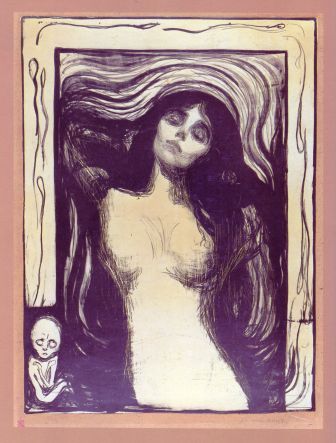
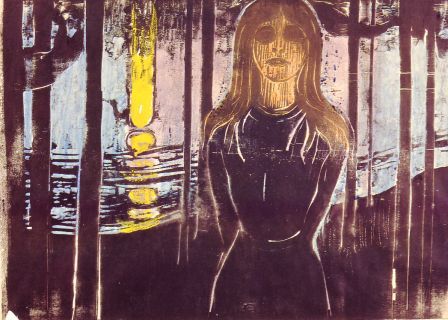
A friend recently emailed me a link to two beautiful images by the artist Edvard Munch… ‘The Madonna’ and ‘The Voice’ and

Edvard Munch

Edvard Munch

Edvard Munch

Edvard Munch

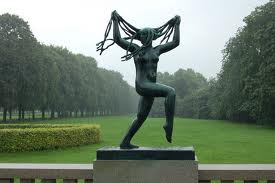
interestingly, the poems written by Munch about these paintings (from a book by Bente Torjusen – The Words and Images of Edvard Munch which is copyright, or I’d include the poems on this blog). The poems are exquisite – unnecessary you could say, for what is art, but a visual not verbal experience… but beautiful as well, because the lines of the poems are expressed in different colours (the mind of an artist). It reminded me of my first encounter with Edvard Munch, in Oslo, January 1973. I was on my way to taking up a job as a waitress in the Haukeli Mountains and staying in Oslo at a youth hostel. I found Munch and Vigeland. They’re pretty hard to miss in a small city the size of Oslo. It was snowing too, that much I remember. I was in love then with all things Norwegian and still hold huge affection in my heart for that time in my life. It was here I first learned to ski and to haltingly speak snippets of another language.

Gustav Vigeland sculpture

Gustav Vigeland sculpture


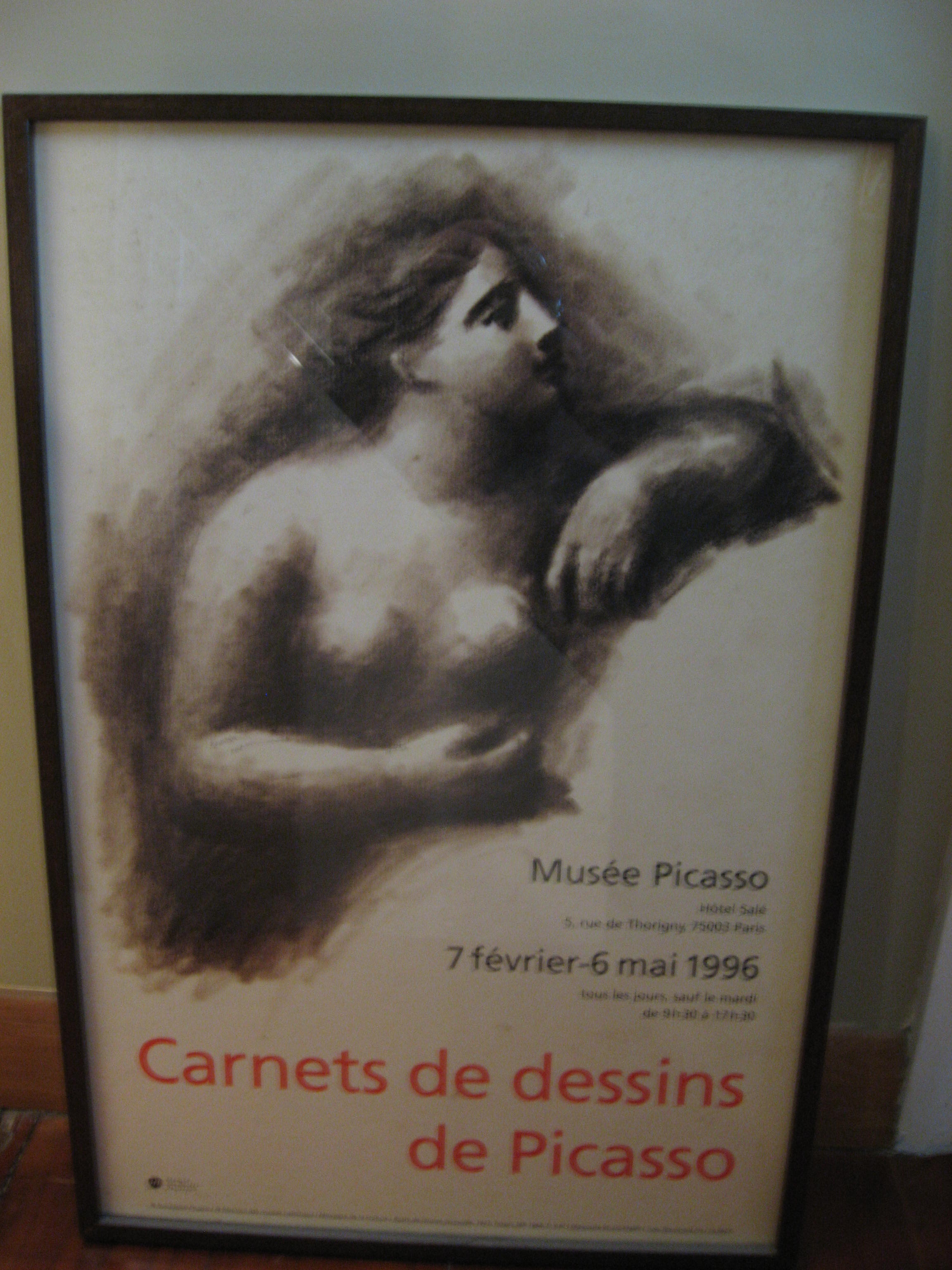
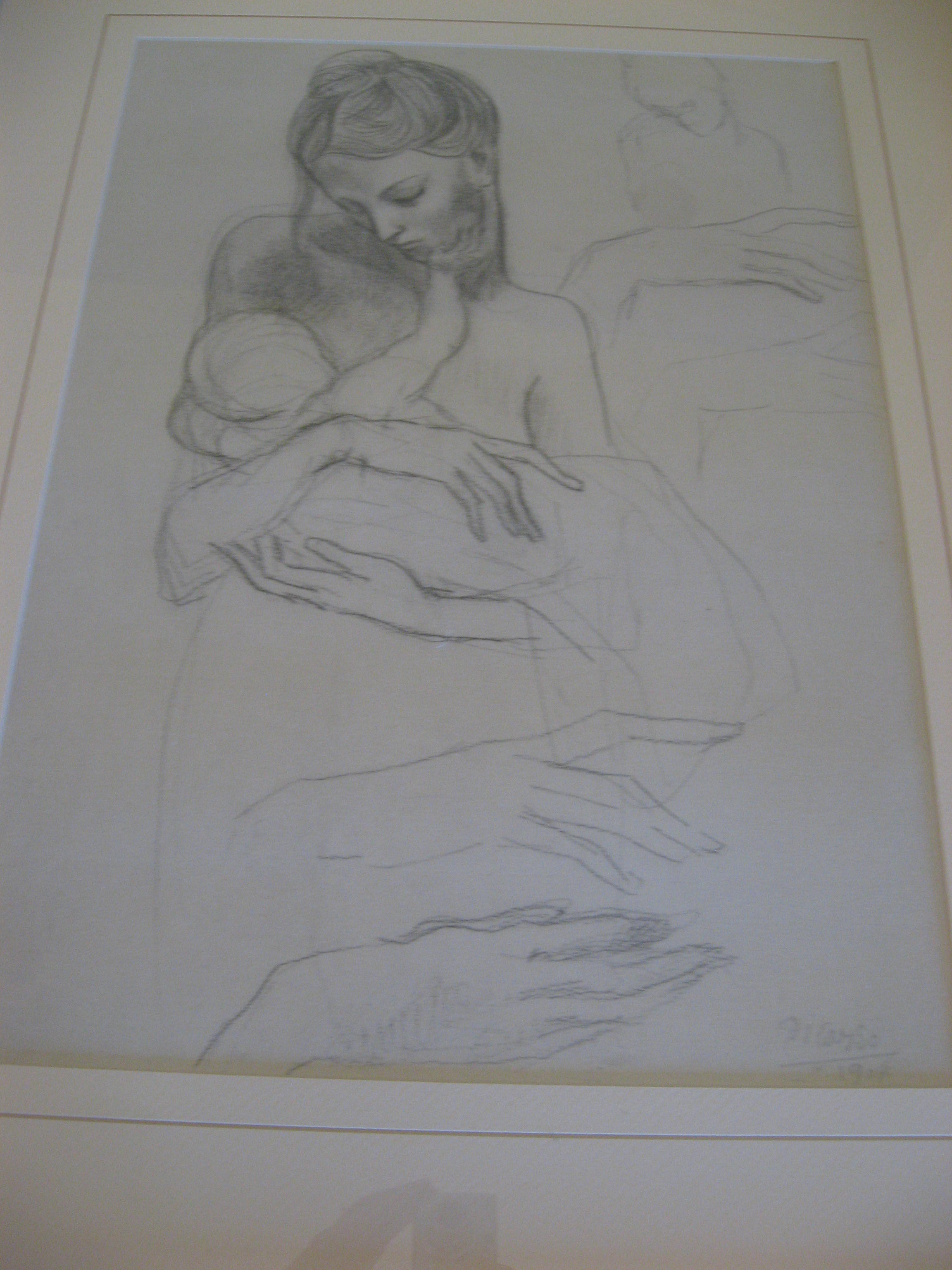
In Paris in 1997, with my youngest son who back then was just fifteen, together we literally stumbled upon the Picasso Museum. We had just previously laboured our way through the great halls of the Louvre in search of the Mona Lisa, almost running through a room of Rubens – so overwhelming was the art experience that we couldn’t take it in.

This delightful accident, the Picasso Museum, remains an unforgettable art experience both the intimacy of the setting, the sharing of it with my son and the lack of expectation enabling a true heart to art experience. I purchased this poster advertising an exhibition which now hangs in our bathroom and the other is a print which hangs in our bedroom.Poster from Picasso MuseumPrint Purchased from Picasso Museum

Years ago, when my children were preschoolers, and we didn’t have a lot of money to decorate our humble Edwardian villa in Brooklyn (not New York, but Wellington), I used to drive my olive-green Mini down to the Wellington library and fill the boot with art for hire. It was a lot of fun and a cheap way to dress our house and the great advantage being you never got bored as you just took the picture back and got another one. These were reproductions such as Vermeer’s ‘Girl with a Pearl Earring’ and Van Gogh’s ‘Bedroom in Arles’ but oh the joy racing through the Louvre to see the Vermeer original. I know, I know, they’re practically clichés, but they looked lovely on our wall.

At primary school in the fifties, one of my most humbling experience was being part of a team in class where you had to run to the front of the room and draw something – my task was to draw a hand – all I had to do was place my hand on the blackboard and draw around it to get a fairly reasonable image – but I didn’t have the confidence or imagination for that, and instead I froze at the board mortified, unable to even decide how many fingers a single hand held. It’s one of those frozen moments of life that you never forget. My own version of ‘The Scream’. Nowadays, I teach English as a second language and I find being unable to draw a big advantage – I have no shame and I attempt to draw and the students laugh and through their laughter they name the object that I have so poorly tried to represent – you see my lack of shame unlocks their language.

My friend has reminded me of my introduction to Edward Munch, my astonishment and attraction to ‘The Scream’ before I knew it was a famous painting, and too, of the joy of Frognor Park, my very first up close encounter with stone brought to life. Coming from New Zealand in the early 70’s I was too, a teeny bit startled by so much public nude abandonment (even in stone)… I loved the girl with the flying hair and now I am a grandmother, and I see my granddaughter, her plaits flying as she dances for me in our garden.

The ghosts of Christmas past

Standard

It was the little bit of bitumen stuck to my shoe that started this post. A sultry windless day this week and the temperature had risen to the mid twenties. In Wellington, this is a heat-wave. I lifted the irksome piece of road from my shoe and saw the tar. Lovely black tar, the warm ooze from the road that summer sometimes brings. I grew up in Nelson where in summer the tar oozed all season long. This piece of road stuck to my shoe reminded me of streets shimmering with watery mirages, the impulse to lie down, lay your cheek against the bitumen. Of course we could back then. There weren’t so many cars.

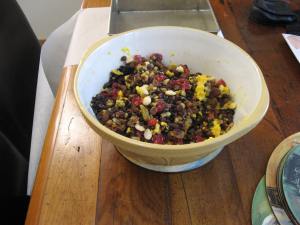
A week earlier I made my Christmas cake. I know, it’s late, and I should have made it weeks ago. It’s a ritual that I love. I use my mother’s recipe which is something now of a mini legend. I’ve lent it to friends over the years and the title is ‘Maggie’s Mum’s Christmas Cake’. She put a teaspoon of curry powder into her cake and so do I. This lends my cake something of the exotic, although of course you cannot taste the curry in it. Once a year, I honour my Mum when I make this cake. And I mix the cake in my late Uncle’s Gripstand Mixing Bowl which I suspect may well have once been my grandmothers.

IMG_0041

When I stand in my kitchen running my fingers through the dried fruit to make sure the flour and spices and fully incorporated, I have time to indulge the ghosts of Christmas past. It’s aided of course by the whiff of brandy in which the fruit has been soaking. I recall my mother decorating our Christmas tree with a concoction of egg whites that she flicked at the tree randomly using I think the back of a spoon to create our very own fake snow. I remember too vividly, the night my brother had woken and disturbed Santa. He’d seen Rudolph disappearing up the chimney, and the only evidence was the fallen fire-screen.

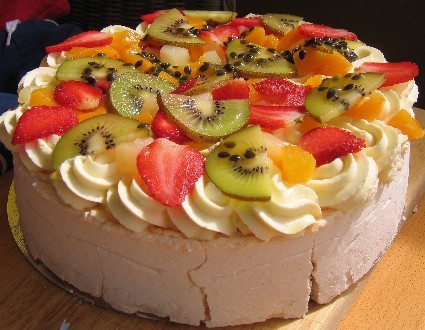
And then too, there is the boiling day when we were going to Grandma’s for Christmas lunch. My mother’s youngest bachelor brother was in town. My maiden aunt who lived with Grandma had loaned her Morris Minor to her brother. He’d gone to the pub and hadn’t come back. We didn’t have a car and we were relying on my aunt and her Morris Minor to transport us and all the food that my mother had prepared up to Grandma’s house. And so as memories are made, we traipsed instead on foot, with plates of trifle and pavlova in the hot sun. Mum’s trifles were legendary (sponges made without the aid of Fielders cornflour, whipped with a hand beater, baked in the coal range). Her pavlova was the crunchiest, deepest, softest in town. She smothered it with cream, and cherries, and pineapple and ginger and walnuts. It wasn’t all that far to walk really, perhaps a couple of miles but much of it was up-hill. I’m not sure how the whipped cream fared, or what trouble my uncle got into, but it’s a Christmas memory.

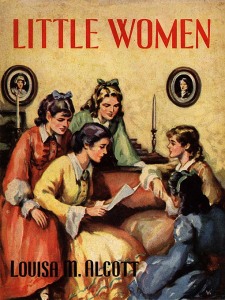
We always got a book for Christmas – maybe the latest School Friend or Andy Pandy annual for me, and one year Meg, Jo, Beth and Amy of “Little Women”came into my life.

Little Women

I recall buying a bicycle bell for my Dad from McKenzie’s Department Store one year for Christmas. We always shopped at Woolworths or McKenzies and I guess they are the equivalent of the two dollar shop nowadays. One of my favourite Christmas present as a child was a brand new swimsuit from a maiden aunt who came from Wellington. She was a waitress at the St George Hotel and worked there for 40 years during its hey-day. Up until then, I’d worn a hand-me down (from my mother or some other adult) pair of togs that filled with water and gave me a bosom, and at five years of age, that was too embarrassing. The swimsuit is a Christmas legend – it was covered in pink and green Christmas bon-bons, had a wee flared skirt and a pink bow at the back. I’ve never forgotten it.

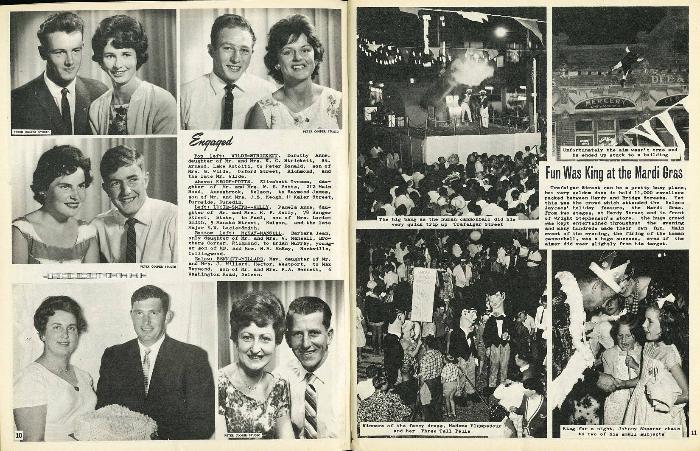
My Christmas past is filled with maiden aunts and uncles who arrived and left, trips to the beach or the river in my aunt’s Morris Minor, car sickness, ice-creams, the long slide, midnight mass, Mum’s mince pies made with flakey pastry instead of the short pastry, minted peas, new potatoes, and the back door open with the afternoon sun shining on the new green lino. It’s pea-picking with my friends as a teenager, weeding strawberries, picking boysenberries, saving up for Christmas …it’s the Mardis Gras the beachcomber ball sunshine and sunburn, swimming holes and bike rides, fishing off Rocks Road, the endless hot summers of Nelson.

And too, it’s the whiff of brandy, the butter, sugar and egg yolks, the egg whites beaten to soft peaks and folded into the cake mixture, the dusting of baking powder at the bottom of the thickly paper-lined cake tin. It’s the wrapping of layers of newspaper around the cake tin and tied with string, so the cake won’t burn at the edges. It’s spreading the mixture and packing it firmly into the four corners with a small hollow in the middle to ensure when it cooks, the cake will rise to a perfectly flat shape for icing. It’s rolling out the almond icing and nibbling the left-over’s, and nowadays, it’s waiting for my granddaughter to arrive, to decorate the Xmas tree.

IMG_0044

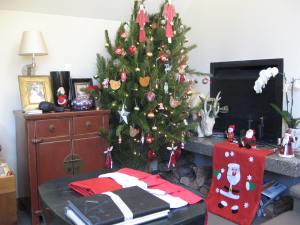
We have our own new rituals that we are creating together.   She buys me a Christmas decoration every year and I buy her one.   We decorate the tree together and we bring out the papier-mâché reindeer that I bought for my boys (one of them her Papa), and she adds pretty coloured ribbons to the reindeer’s antlers each year, to update his imageThe ghosts of Christmas past, the deceased; my Mum, my Dad, my brother and all my maiden aunts and uncles are with us.

Emmylou Harris and a guava lipstick

Standard

Emmylou Harris and a guava lipstick

Last weekend, I went to see Emmylou Harris and Her Red Dirt Boys play at Vector Arena.   My girlfriend and I met each other in Auckland for this special event.   I listen to Emmylou when I drive my car.   She is my driving music, the background to my many journeys from the bay to the city and home again.  I sing and hit the steering wheel in time to her music.   I try to hit the high notes and imitate the soft throaty whisper.    I’m a fan.   When she sings ‘From Boulder to Birmingham’ I feel her loss, I love the man she mourns, even though I didn’t know Gram Parsons.   She’s seen me through a broken heart, my own.

So, because we live in different cities, we took this weekend out to be ‘girls’, to do the girly weekend away thing and to go to the Emmylou Harris Concert.    We shopped.   We’re older girls now, so we shop differently.   And too, we noticed that not only do we shop differently, but the shop assistants treat us differently.   One of our rituals is to buy a lipstick when we shop together.   It means that if we buy nothing else, we have the fun of knowing that yes, we bought a lipstick on holiday.   Sometimes we’ve been known to buy the same colour lipstick.    The last time that happened it was the colour Raisin.    Raisin has served me well now for several years.  It’s my fall-back lipstick, my almost match my lips lipstick.   But my friend deserted Raisin years ago.

We started at one counter which I won’t name.   This is not a name and shame sort of story.   But any slightly older woman will recognise the story.  Gorgeous young things were seated having their eyes done.   Beautiful young things, who didn’t need eye shadow and certainly not the amount being applied.   We vacillated, trying lipstick colours on our hands.   My friend has a lovely tan and I have pale freckly Irish skin.   The same lipstick turns a different colour on our different hands.   We wiped, swiped and rubbed off the test stripes.   We waited patiently for the assistant on the beauty counter to notice us.   We wiped, swiped and rubbed our hands with tissues.   And then in desperation, we moved to another counter.

And it was here we met the kind of young girl that every older woman buying a lipstick needs to meet.   She joined our fun.   She coaxed and encouraged us.   We took risks with pale and deep and dark and we talked of tones and we spoke of blue-pinks and pinks that are not blue, the true pinks.

“You don’t think it’s too blue and wrong do you?”

“No, it suits you.  I know what you mean, but it’s not too blue.”

Guava is the colour I chose.   Guava, like a split fruit with the ripe pink bleeding.

“Oh, I like it.”

And I do, I really do, although I probably really should have stuck with Raisin – except it sounds shrivelled, and Guava sounds delicious.

Years ago, we might have purchased a dress each.   A rash, exciting, and expensive dress, encouraged by one another, the sense of beauty, the sense of yes, this dress, this dress…   But now we’re older.   We have grandchildren.    We run into bookshops and toy shops the way we used to run into dress shops.    I bought an educational word game for my granddaughter – a German version of scrabble for a five-year old.   We shopped for Christmas decorations for our grandchildren. We shopped for our husbands, looked for boxer shorts that didn’t grip, or weren’t too tight in the legs, and not too shiny, silky and silly.   Neither of us was sure exactly of what size to buy – we took the boxers from the hangers and we stretched them outwards asking one another – will this fit?   We still weren’t sure.  We know each other’s husbands, but we still weren’t sure.   How big is comfortable?    Will they really want boxers or should we be rash and buy the stretch jockeys that look so good in the picture?

And then, en route to find a restaurant, we found a shop selling new, but old fashion.    We stumbled into fabrics that spoke to us.   I found mustard corduroy and it swamped me in something visceral like hot bread, or brewing coffee, but stronger more emotional.    I fondled the mustard corduroy, and I knew the feel of it, the look of it and the colour I could taste if you can taste colour.

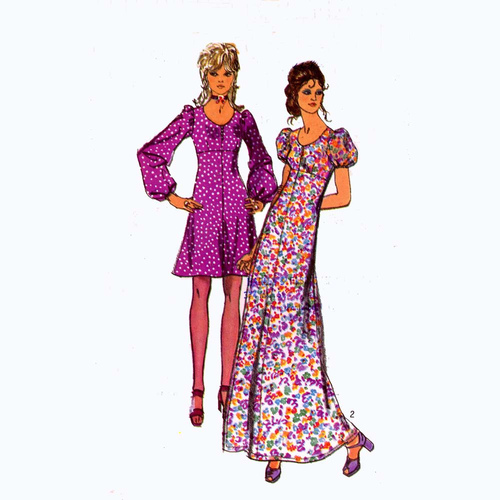
We spoke of crêpe Georgette as we fondled a dusky pink frock remembering Vogue, Butterick and Simplicity (especially Simplicity).   The fabrics were not imitations, but copies, identical copies of fabrics we knew.   I saw my mother’s wedding suit – the one she wore to my brother’s wedding and a year later to his funeral.   We both recognised frocks we’d worn to the ‘dance’.     We wanted to wear them again, to go to those dances, but we agreed to settle for Emmylou Harris, the concert, that night.

                Before the concert, we went looking for somewhere special to eat.   The waterfront beckoned, but the tapa bar we chose was closed on Sundays.  Our hearts were set on tapas, but we’re older now and flexible.   We found a bar with a view of the harbour and seating upstairs.  We watched in delight as gorgeous young things in tight-fitting frocks knocked back cocktails.   Nowadays we have to consider what food we order and what drinks we drink, not just how much and how many.   But we were up for bubbles.     And bubbles we had… one glass each and then we eyed the menu for food that wouldn’t be too acid, too fatty or just too…

We walked from the café to the Vector Arena, joining the swarms of baby boomers.    How fascinating to be entirely in your own genre.   It was extraordinary.    The ‘once were sexy brigade’.   The pretty girls crumble the first.    Once pretty faces are now pretty lined.   The handsome girls come into their own.   A handsome face on a woman is a very fine thing when you’re over sixty.    Tall is good, because everyone has shrunk a centimetre or so, except for the very tall men and the very tall women, or perhaps even they have.

It’s a wonderful thing to be sitting among so many ‘contemporaries’ – people who were there during the sixties and seventies and who love Emmylou Harris and her music.    There is something quite reverent about a crowd who remembers.   How lucky are we?   To be there, and to share, and to enjoy the atmosphere – all those pacemakers, titanium hips, the enamel (backed in heavy metal) smiles, and barely a Botox babe in sight.   Well, the lights were dim, but you know when you rock up to watch a girl like Emmylou with her unabashed grey hair (it looked white to me) – my friend thought she might have highlights.

She was the highlight.   She sang I think for two hours, barely stopping to breathe – every song you wanted to hear and she kept the best till last – my favourite – ‘From Boulder to Birmingham’ – after two standing ovations and a stomping encore call – this amazing woman rewarded us.   My heart broke when she sang ‘My Name is Emmet Till’ from her new album.  I cried when she sang ‘Darlin Kate’.  She spoke about being a girl from Alabama who never imagined seeing a Black President.    I think she spoke for all of us.

AWESOME Emmylou and awesome too, the ageing baby-boomers who came out in their droves to listen to her.

Frosty nights and Andy Williams

Standard


Television was black and white back then, but my memories of that time are colourful.    My very   first memory of TV is Lassie, when I came to Wellington in the school holidays sometime in the early sixties and stayed at Houghton Bay with my cousins and their neighbour had a TV.   I briefly caught a flash of dog and screen, barely a minute or so, but I do know it was a very snowy picture.   And then I had a friend called Janice in my hometown whose father I think, had the very first TV set in Richmond.  He was receiving pictures from Australia – well at least I think he was.   There was no Kim Dotcom back then, so he must have had his own satellite dish even then.

We lived at No.43 and my best friend Liz who lived at No. 53, had a TV.   On Wednesday nights I would walk to her house to watch Dick Van Dyke and Peyton Place – practically the double-feature.  I loved when Dick Van Dyke fell predictably on the split level floor (how flash, a split level floor), and of course, we adored Mary Tyler Moore.    As for Peyton Place – well even back then I found Mia Farrow aka Alison McKenzie, tedious with her long blonde hair, sitting on the swing, insipid and uninspiring – whereas Betty Anderson with her dark and dangerous smouldering – we loved her  and so did Rodney Harrison (Ryan O’Neal) – and as for Dr Michael Rossi… we loved him even more.   Oh, it was True Confessions in pictures and we couldn’t get enough.   As for Constance Mackenzie; surely a cougar before they were invented.

Once, my friend Liz and I visited a friend whose father sold television sets.  This was even before Liz’s family owned a television.   We were invited as a special treat to watch TV and there were strict instructions about how to view television.   The screen was covered with a blue filter that was supposed to lessen the glare of the snowy picture.  But the father of our friend instructed us that we should look up and around the room while the advertisements were showing, to rest our eyes.   And we still laugh about this – the strange sight of three young girls all glued to the television (the Patty Duke Show if I recall correctly) and whenever there was a commercial break, we would all obediently roll our eyes around the room, trying to avoid eye-strain, and desperately trying not to laugh.

But my fondest memory, in my early teens, is walking up the hill from our house to my Aunt’s to watch TV with her on a Saturday night, about a mile on a gradual incline.  My grandmother had died, and my Aunt was one of those women from a certain era, the youngest of a big family, the only one with a secondary education and able to earn a good income, and so she ‘stayed home’ to look after her parents.   My Aunty Del and I would watch the Andy Williams show together, sitting on her recently upholstered Sanderson floral chairs (the rose and peony pattern I think).

I can’t find the exact floral pattern, but I think it was the rose and peony pattern but I’m sure there was more blue and grey than green, but it’s funny how memory works, I may be wrong.

We would eat chocolate sultana pasties, and drink tea brewed strongly with plenty of milk so the tea turned tan.   Grandma’s front room had been all rust and gold with autumnal Axminster carpet.   When Grandma died, Aunty Del had recovered the floor with mushroom pile and a new Queen Anne glass cabinet through which to view her Lladro.   I didn’t covet the Lladro but I drooled over the red and gold coffee set which my Uncle (the roguish lovable bachelor brother) had won with his race horse ‘Arrow Royal’ at the picnic race meeting one summer.    When he died, in a lonely pensioner flat near the Wellington Zoo, and I went with her to clean his flat out, we found his jockey colours, a brilliant emerald green coat.  He didn’t ride the horse, but he had kept the jockey’s colours.   I remembered him most for the half a crown he would toss us, when he came home to Grandmas now and then for a weekend, from Wellington.

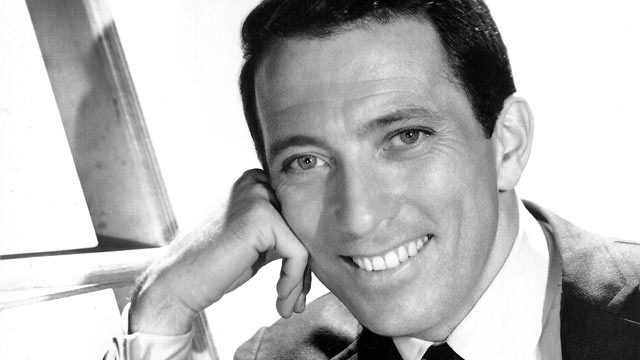
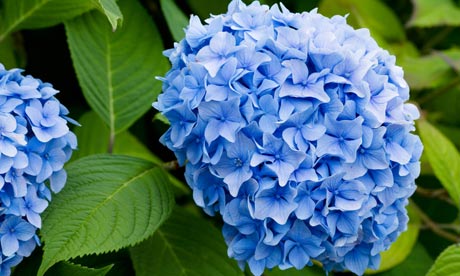
This week, I heard on the news that Andy Williams has died, and on the radio or the TV, I keep hearing  his crooning version of ‘Moon River’. It’s taken me back to my Grandma’s house with the hydrangeas out front, to remembering those Saturday nights with my Aunt, when television was a novelty.  When a man with a voice like Andy Williams was moonlight and pastel Sanderson all rolled into one. The TV station, from memory the only one, closed down at 11.00 pm I think.  We waited until the very last moment, until the screen turned to snow….  and then my Aunt would slip a hot water bottle into her bed, put on her slippers and we’d cross the frosty front lawn together to her green Morris Minor.   She’d drive me home under the inky canopy when even home fires couldn’t mar the star-filled skies.  Mum would leave the porch-light on and I’d sneak into my room, and into bed, a hot water bottle already there waiting for me.