Sunlight and Seamus Heaney

Standard

Seamus Heaney (St Seamus) has died.
heaney2

I didn’t meet him, until 1999, when I slipped at the last minute into the undergraduate Poetry Course at Victoria University. My first notification told me that I had ‘missed out’ and they listed the 12 names of the chosen ones. It felt like the Last Supper with Greg O’Brien at the top table and me, with no invitation. And then, one Saturday morning, unexpectedly, a phone call from the poet Greg O’Brien. I was, at the time, working in the recruitment industry and unbeknown to the poet Greg, I was imagining he must be the Greg O’Brien from the recruitment industry.

Greg had phoned me to say he loved one of my poems. It was a warm-up to explain that I was now being invited to the Last Supper. You see, one of the ‘chosen’ twelve had turned out to be a non-starter… I can’t recall exactly, but I think she hadn’t even submitted a portfolio.

It was my good fortune.

And so, in those few life-changing weeks that I attended the Victoria University undergraduate Poetry Course – I think one of the first few… I met Saint Seamus. I also met Eavan Boland. I found my life forever changed. When I was running a book group and writing class at a local women’s prison, I found myself in awe, as a prisoner deconstructed Heaney’s ‘Bog Queen’ poem – good poetry crosses all social divides.

One of my favourite Heaney poems (besides of course ‘Digging’) is ‘Mossbawn 1.Sunlight’
This poem speaks to me of my own mother, also Mary, but she was called Molly.

[wallcoo_com]_Chinese_plum_blossom_17GA010

Instead of an outside pump, I see the woodshed, the kindling, the coal bucket and the roaring fire. I watch my mother apron-less, glide across the linoleum (the new linoleum that my Aunt ruined with her stilettos one Friday night when she turned up for our Catholic Friday night fish dinner). My Mum made her own batter, crisp, light and golden. She had tiny feet, size 3 shoes, and was as slender and light as plum tree branch. Her hair was a charcoal perm, she wore crimplene button-throughs, and her only accessory was a cigarette. Yes, she stood by the window, to look at the blue Richmond hills. The slung bucket was for coal. The tinsmith scoop was an old crockery cup that dipped in the flour bin. Flour dust trailed across the polished floor to the bench where she rolled pastry with a lemonade bottle. She had biceps the size of a downtown gym membership, earned from beating the butter and sugar by hand. I wrote a poem about this http://www.maggieraineysmith.com/cms/node/28

images

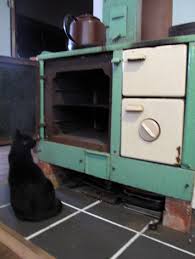
Yes, I love Seamus Heaney’s poetry. It speaks to me of my Irish ancestry and my own Kiwi childhood. The new apple green half-size fridge throbbing under the Bakelite blue radio. My Dad’s chair in the corner where his hair oil bubbled the paintwork behind him. Scones lighter than Nigella could imagine, sponges dropped on the hearth to prove (no sudden dips in my Mum’s cakes). The back door open with sunlight pouring through in the late afternoon. Doors open and closed to control the oven temperature – a window opened instead. Mid summer in Nelson and the coal range raging, the hot water cylinder rumbling like Ruapehu and then erupting and spilling over old red tiles (no OSH health and safety measures required).

Yes, I love Seamus Heaney – RIP. For Seamus and my Mum, Molly, July 16, 1974.

It’s my best book

Standard

I was clearing my mailbox in our local village this week, and bumped into a fellow writer. She is a published children’s writer. I hadn’t seen her in a while and so I commented. “You haven’t been to any meetings lately.” The meetings I was referring to are the local meetings of the Wellington Branch of the New Zealand Society of Authors. We host local writers as guest speakers and there’s a good sense of community and shared experiences.

“No,” she replied, “I can’t get my book published!” I was taken aback, and queried her. “It’s my best book,” she told me. She went on to tell me how writing is her raison d’être, and how she feels about rejection … well, I know how she feels, but there’s no point is there, I told her in hiding away. Yes I understood, but I was also less sympathetic than perhaps I might have been a few years ago. The fact is good writers are being turned down all the time by publishers right now, I told her… I tried to jolly her along, with tips for self-publishing (quoted Ted Dawe’s success with ‘Into the River’), spoke of EBooks, plied her with encouragement and as I urged her forward, I was barracking for myself as well.

And then on Facebook, I saw a link to this comment by the astonishing, grounded, super-talented, Man Booker Prize long-listed, Ellie Catton, answering this question for the Herald…”Are you an easily intimidated woman?” She replied:
No. In my experience intimidation is linked to competition in a fundamental way – people who are intimidated, or who consciously intimidate, are competitive in their attitudes towards others – and there’s no room for competition in literature. I do feel very impressionable, though, both as a writer and as a person.

And this set me to thinking about my conversation with my fellow writer in our local village. I know she felt very alone in her sense of rejection, as if only she could understand how awful it was. I think I used to feel like that, but I don’t any more. I recognise now, such things as what a privilege it is to be able to write (the time for one thing). And too, what an honour and privilege it is to be published. And, more and more, how many talented writers there are – what competition we face.

I love the quote from Ellie Catton and too, I admire her talent and modesty. But I disagree. Writing in itself is not a competition. But being published, having your book purchased, making the long list (and surely the short-list) for the Man-Booker is all about competing. There are judges, and they have to choose, and this is a fiercely literary sort of competition – high art – and how do you judge – but judge they do, and it is the very best writing we hope that will win.

Here in New Zealand I sense pride, I think we are thrilled about Ellie Catton’s success. But too, it’s partly self-interest. I suspect we imagine that her success will cast a glow upon New Zealand literature and that somehow the reading public will be more inclined towards us – yes, us (local writers) all of us, by association. But that’s not true, not really. Ellie’s triumph and her talent is all her own.

“It’s my best book.” This lament has stayed with me. I feel the same about my third novel. But there’s no point in lamenting or wailing, there is only the writing – and it’s either good enough, or not. It may have been good enough before the advent of the EBook and the closing of book shops, but now your manuscript will have to compete even harder – it will have to look like a best seller.

Ellie Catton’s runaway best seller debut ‘The Rehearsal‘, evidently sold… 3,500 copies in New Zealand. You’d expect a lot more wouldn’t you for an internationally acclaimed, prize winning novel? I imagine it has sold more internationally – I sure hope so.

No, literature is not a competition in the way that sport is, but if you’re going to cross the finish line (i.e. a published manuscript), then you’re going to have to compete. Nowadays it often begins with competition for a place on an MA course at a university. Well, just like being selected for the swim team, you have to compete in the trials and meet a certain standard. this means submitting your ‘best’ pieces of writing. Not all of those who get selected get published, but the odds are probably stacked in their favour… normally an MA course means a University Press with a vested interest in their own ‘product’ and why not?

And then, if you win that round and have a real book in a real bookshop, you’re competing with all the other beautiful books (oh covers do matter), and you are competing for readers, reviewers, or goodness me,stars on Goodreads…and on it goes. And unlike swimming or running, where you know what the world record is, in writing, you have no idea… and nor should you, other than your ‘own idea’.

You can be a Booker Prize Winner, but still not sell as many books as, well, er Dan Brown. I guess it depends what you’re competing for…but readers surely are the bottom line, or not…

My friend’s lament ‘It’s my best book’ may well be the lament of writers everywhere. And indeed it may be true, and that indeed that is all you can do – the rest, is up to the publishers, the readers and the judges. And all the best to Ellie – go team New Zealand!

Right and Left

Standard

Right and Left

I recently attended the launch of ‘Anzac Day, The New Zealand Story – What it is and why it matters’ written by Philippa Werry. Inside this lovely publication, I found this brief but potent quote from Bertrand Russell.

War does not determine who is right – only who is left.”

Extraordinarily profound and yet how simply stated. How I admire that. The best writers of course, are able to do this. Meanwhile, I blog and find myself making extra long sentences to explain myself. But of course, the very best writing cuts to the heart of things without a great deal of noise.

Right now, I’m working with an editor on my Greek manuscript. It’s been a long time coming. In fact, I started my research back in 2007. Six years on, I am beginning to believe that my novel is ready. Working with an editor is the most amazing thing. Recently Craig Cliff blogged on this very topic.

I see pages of my manuscript with the word ‘tighten’ down the left-hand column, or even more specifically, the words “Do we need this?” Indeed, we frequently do not! Removing the debris I call it. A good editor enables a writer to look better than they really are. It’s fascinating to see where you have gone off piste often to indulge something, to show off, to weave in some vignette that is really irrelevant, but you just can’t help yourself (and often this vignette is not fiction, and frequently it fails).

Oh what bliss, removing the debris. Actually, I’ve just removed one whole character. Just like that. He’s gone. He was a sub-plot that was never working. My readers had already told me this, but no one had suggested killing him off… that is, until my editor came along. Murder your darlings. He was someone else’s fictitious darling actually and I’d rather liked him and I’d invested far too much time in him – and now he’s gone. Perhaps he’s going to have another life some day in another novel. But right now I am so relieved he has gone.

Who is right and who is left? My Dad was on Crete during the Second World War and in Poland as a POW for four years. I am part of who is left. My novel is about the Greek girls (well one fictitious girl actually) who came out to New Zealand in the sixties as part of a Government scheme. This close relationship between the two Governments developed as a result of the New Zealand support for the Greek campaign. My novel explores aspects of the Greek Civil War. It is about who is left.

Today, there have been two bombs in Boston. We’re all shocked. I notice on facebook the many posts and the outpouring of concern. We feel united in the horror. But too, I was reminded by my son, a peace activist living in Seoul, that today, not just in Boston, but in Iraq, many people have been killed in a series of bomb blasts in the past few days. It shouldn’t matter where the bomb blast happens, the horror should be equal. But the human condition is such, that we identify with what we know and who we know. It’s impossible to feel constant outrage and compassion for every act of violence – we would despair each day, and so we choose our sorrows and our outrage.

I’m looking forward to Anzac Day. How odd that I do. But it is now a part of my history. It is my father, it is my childhood. It is full of autumnal memories. A greyish shift frock newly made, my new cinnamon stockings, the parade. My Dolly heels caught in the cracks of the pavement outside the war memorial which was also the cinema and the library. Dad in his shiny brown shoes, wearing his war medals hand-sewn to his suit by Mum.

Yes, he would get pickled. We learned to dread Anzac Day. Dad would disappear to the RSA. He was a flagon man, but on Anzac Day, he drank whisky. Looking back, perhaps he had a right to get pickled. And now he’s gone, and I love Anzac Day, because of him. I share it with my granddaughter who loves to wear the red poppy. I’ve purchased the Book on Anzac Day for her with a dedication from the author – but it will be some time before she truly knows what the red poppy signifies.

The Way We Live Now

Standard

The way we live now

I am reading Anthony Trollope’s ‘The way we live now’ a free to download classic on my Kindle and evidently (according to Wikipedia) Trollope’s masterpiece. I can’t comment on that, as I’ve not read any of his work before. It is a fascinating book and feels so contemporary in so many ways in light of the recent demise of so many respected financial institutions, the queries around appointing ex politicians as Directors of commercial enterprise and all the associated pitfalls of modern capitalism.

But too, I am captured by the comedy and pathos of Lady Carbury, her willful blind spots and her shameless literary ambitions, the delightful satire of book reviews… can’t help chuckling. I can’t wait to discuss the book with my book group who are among the smartest women I know and of course, they will have plenty to say, and I shall report back. In the meantime, from my hammock, on Sunday evening, as the sun went down, inspired by Lady Carbury’s efforts at self-promotion…

Reading Trollope from the Hammock

Reading Trollope from the Hammock

From the hammock

Lego from the garden
sits atop
the chopped sleepers
my raspberry Hydrangea
has faded
in the face of summer
Kate Sheppard, the last rose
has buds
there’s not a breath of wind
just birdsong and the faint
traffic
in the distance sound
of the southerly
Lady Carbury
keeps me company
on my Kindle, I worry
for her
for me, for all mothers
their gardens, old Lego
new weeds
our lemon tree losing leaves
although he pees under it
some times
we Skype our family
here and overseas
imagine
that if we stay up all night
but we’ve done that to death
my glass
of Pinot Gris reflects
an upside down tree
a dog
barks half heartedly
and mist rolls in
our pines
went out by helicopter
leaving bleached beech
corpses
there are screams too
from fathers louder than
birdsong
And silent mothers make
school lunches in the dark

Maggie Rainey-Smith copyright 12/03/2013.

Art to Heart with Edvard Munch, Gustav Vigeland, El Greco and Picasso

Standard

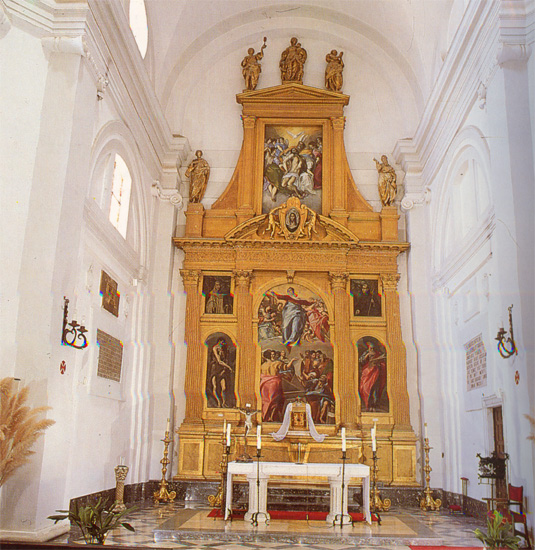
All of my art experiences, well the ones that have touched my heart, have been more or less accidental. I think it is this stumbling into art which has had the most impact on my life. I didn’t grow up with a specific artistic or literary education, but one of the biggest influences was of course religious art, iconic images from my Catholic childhood. It was astonishing for me as a young woman travelling through Spain in the seventies to step into a chapel in Toledo and find the original El Greco’s which I knew intimately as a child from the Columban Calendars that hung in all good Catholic homes. I had the very good fortune that day to be travelling in a group that included a young Australian priest in training, on temporary leave from the seminary, who took me on a guided tour of the El Greco’s. And, confession, it was many, many years later, in Kalamata, Greece in 2007 that I finally realised, attending a movie on the life of El Greco, that of course, he was ‘The Greek’, and not a Spanish artist after all.
SantoDomingo
It is a very fine thing I do believe to uncover these secrets accidentally, rather than academically.
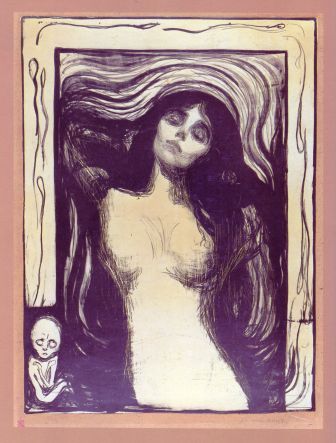
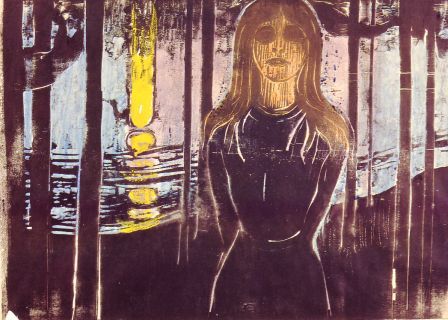
A friend recently emailed me a link to two beautiful images by the artist Edvard Munch… ‘The Madonna’ and ‘The Voice’ and

Edvard Munch

Edvard Munch

Edvard Munch

Edvard Munch

interestingly, the poems written by Munch about these paintings (from a book by Bente Torjusen – The Words and Images of Edvard Munch which is copyright, or I’d include the poems on this blog). The poems are exquisite – unnecessary you could say, for what is art, but a visual not verbal experience… but beautiful as well, because the lines of the poems are expressed in different colours (the mind of an artist). It reminded me of my first encounter with Edvard Munch, in Oslo, January 1973. I was on my way to taking up a job as a waitress in the Haukeli Mountains and staying in Oslo at a youth hostel. I found Munch and Vigeland. They’re pretty hard to miss in a small city the size of Oslo. It was snowing too, that much I remember. I was in love then with all things Norwegian and still hold huge affection in my heart for that time in my life. It was here I first learned to ski and to haltingly speak snippets of another language.

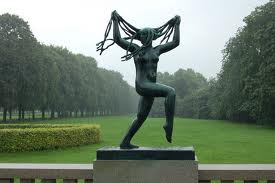
Gustav Vigeland sculpture

Gustav Vigeland sculpture


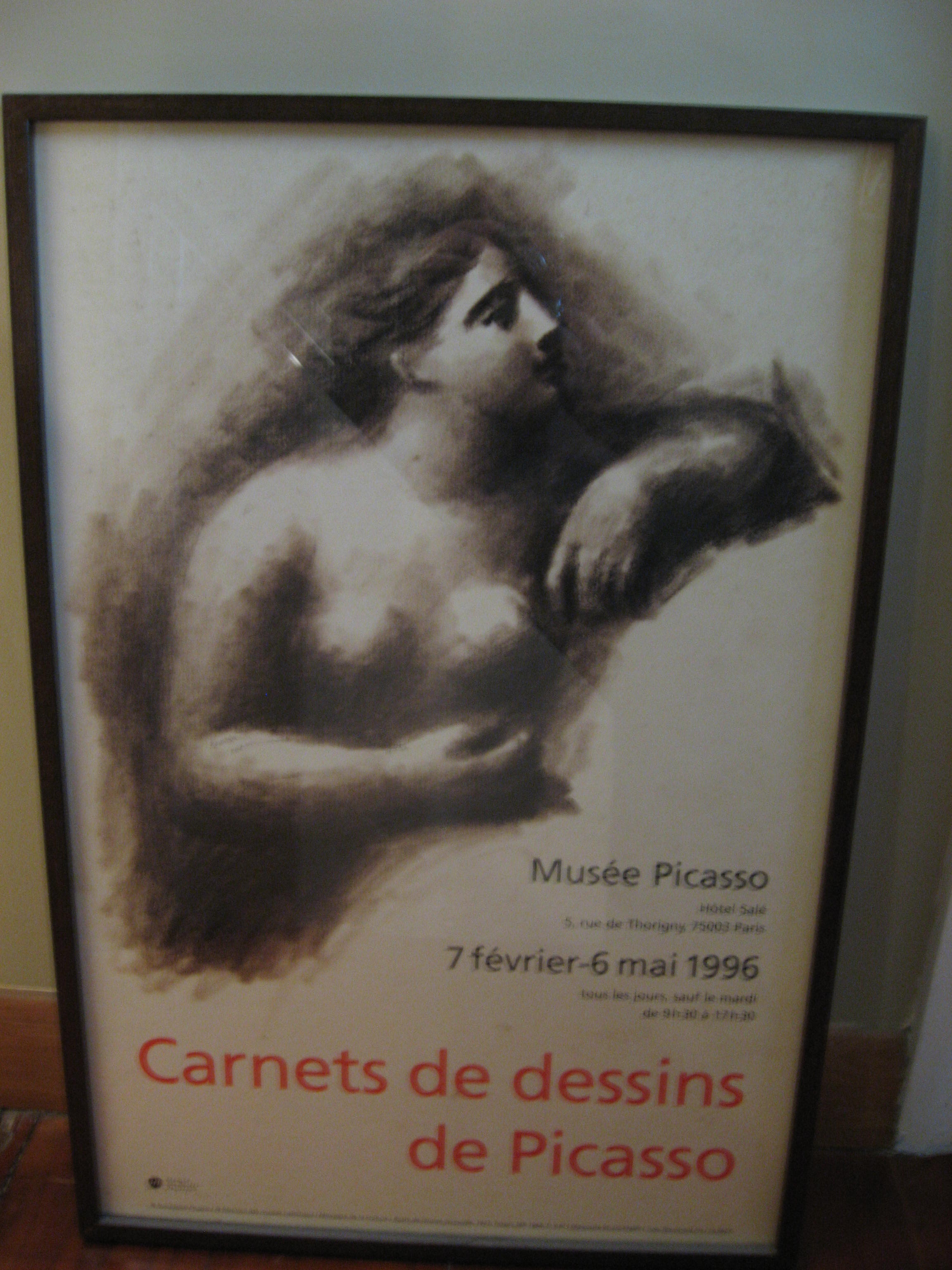
In Paris in 1997, with my youngest son who back then was just fifteen, together we literally stumbled upon the Picasso Museum. We had just previously laboured our way through the great halls of the Louvre in search of the Mona Lisa, almost running through a room of Rubens – so overwhelming was the art experience that we couldn’t take it in.

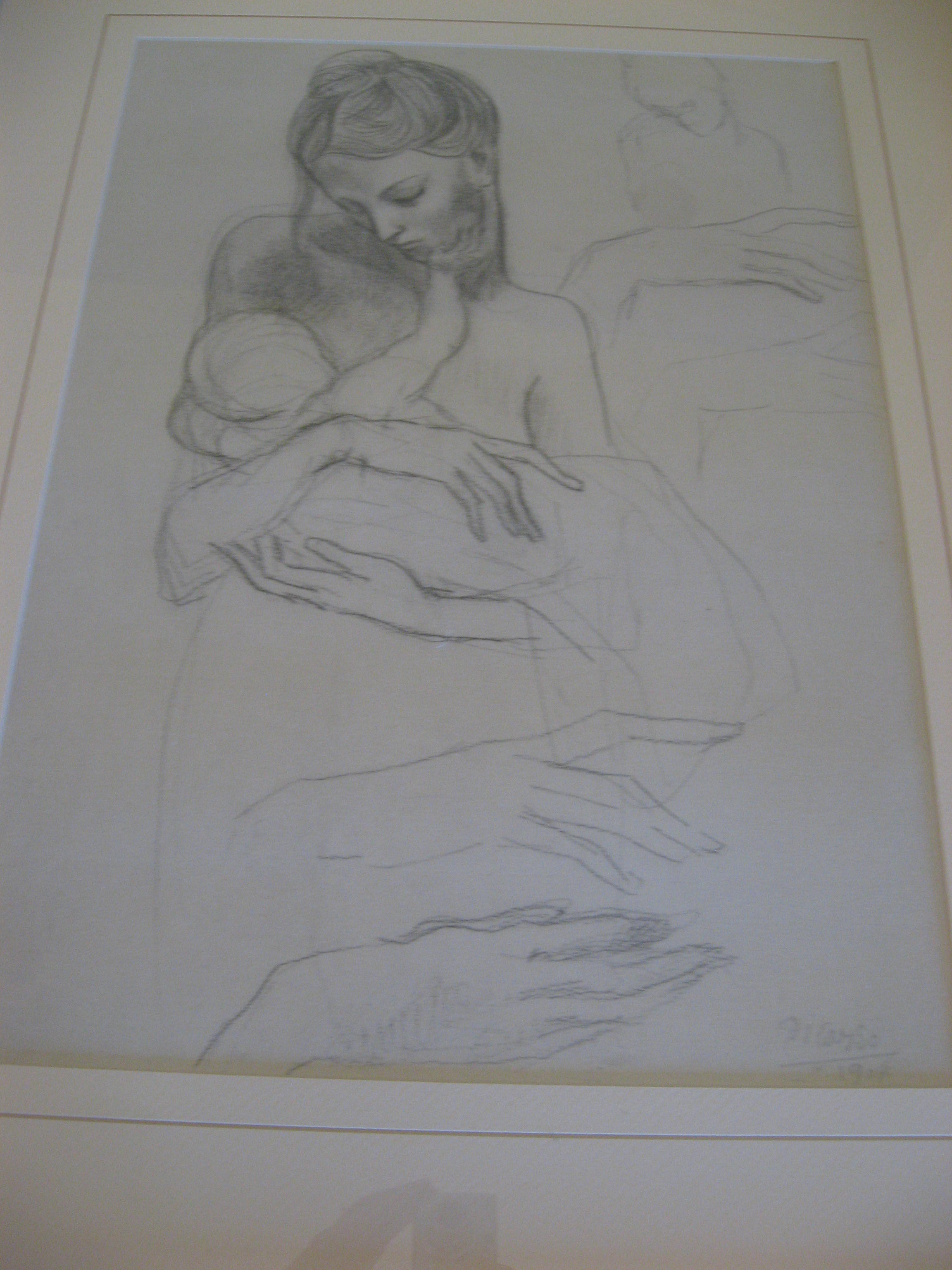
This delightful accident, the Picasso Museum, remains an unforgettable art experience both the intimacy of the setting, the sharing of it with my son and the lack of expectation enabling a true heart to art experience. I purchased this poster advertising an exhibition which now hangs in our bathroom and the other is a print which hangs in our bedroom.Poster from Picasso MuseumPrint Purchased from Picasso Museum

Years ago, when my children were preschoolers, and we didn’t have a lot of money to decorate our humble Edwardian villa in Brooklyn (not New York, but Wellington), I used to drive my olive-green Mini down to the Wellington library and fill the boot with art for hire. It was a lot of fun and a cheap way to dress our house and the great advantage being you never got bored as you just took the picture back and got another one. These were reproductions such as Vermeer’s ‘Girl with a Pearl Earring’ and Van Gogh’s ‘Bedroom in Arles’ but oh the joy racing through the Louvre to see the Vermeer original. I know, I know, they’re practically clichés, but they looked lovely on our wall.

At primary school in the fifties, one of my most humbling experience was being part of a team in class where you had to run to the front of the room and draw something – my task was to draw a hand – all I had to do was place my hand on the blackboard and draw around it to get a fairly reasonable image – but I didn’t have the confidence or imagination for that, and instead I froze at the board mortified, unable to even decide how many fingers a single hand held. It’s one of those frozen moments of life that you never forget. My own version of ‘The Scream’. Nowadays, I teach English as a second language and I find being unable to draw a big advantage – I have no shame and I attempt to draw and the students laugh and through their laughter they name the object that I have so poorly tried to represent – you see my lack of shame unlocks their language.

My friend has reminded me of my introduction to Edward Munch, my astonishment and attraction to ‘The Scream’ before I knew it was a famous painting, and too, of the joy of Frognor Park, my very first up close encounter with stone brought to life. Coming from New Zealand in the early 70’s I was too, a teeny bit startled by so much public nude abandonment (even in stone)… I loved the girl with the flying hair and now I am a grandmother, and I see my granddaughter, her plaits flying as she dances for me in our garden.

Mainlining Mansfield

Standard

(And a link to my report on the recent conference in Wellington on Beatties Book Blog).
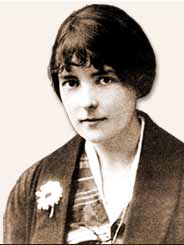
mans_portrait

I overdosed recently. A strange drug set me reeling into literary dismorphia. I was mainlining Mansfield at the time, being drip-fed abstracts over a period of three days. I began to hallucinate, imagine myself tubercular, talented, a genius with a Dad who had enough dosh to keep me afloat – something like a yearly stipend. It felt lovely for a while and I scribbled feverishly in my computer notebook, aware that if the National Library did suddenly want my feverish jottings, that I should spell check now and then. But too, I knew, my odd use of commas and ellipsis would be found exquisite, rather than extravagant and that whole new abstracts would be written, eventually, years after my demise, so I didn’t worry… well, I did a little – but not enough to stop me.

I knew too from listening to more erudite and analytical writers than myself (before the dismorphia and hallucinating) that words like ‘little’ had no place in the literary canon. I used Google and an on-line thesaurus to find alternatives… and ‘not big’ seemed highly original and after all I could embed the link to the Merriam-Webster on-line dictionary and thereby avoid any plagiarism charges.

Mind you, (replace with an expression of ‘so what’), I’ll swear I heard scholars insisting that plagiarism was a writer’s right, that ‘The child who was tired’ by Katherine Mansfield, was merely a flattering reframing of Chekhov, perhaps even an improvement on. There was no proof they said that KM had even read the English version of this short story, as if somehow, the Russian rendition would render her English version authentic. Aha, I imagined momentarily channeling Anna Akhmatova ‘s poetry for my blog, claiming never to have read the English translations. But I was distracted as two eminent scholars began arguing over whether or not KM (and therefore me at the time), had contracted Gonorrhea. Someone very clearly wanted proof one way or the other. It was suggested this was impossible without an exhumation, and I didn’t want to offer up myself, my own medical records… for scrutiny…

Someone took me to task too for living through the Russian Revolution, the First World War and the very first General strike in the United Kingdom – as if these things mattered to my literary efforts. Hadn’t I achieved enough with ‘Bliss’, this one story, an almost manifesto for the liberated woman’s libido. Some bright spark even mentioned a fabulous pun running through the story, the pear/pair tree and the various flowerings/pairings, and I have to say I was delighted to claim this subliminal reading as my very own intention. This is the wondrous thing about my fans re-reading me – yes, I know, I know, I’m not KM. But you see, I was mainlining, and the effect was the same.
Me, kayaking almost in front of the Days Bay holiday home of KM

I grew tired though, after three days, and on the fourth, I witnessed the staging of a small play about my short story ‘At the bay’ – just a stone’s throw from the beach – writers leaping up from their flat whites to appropriate my words. Two grown men pretended to swim in the Pavilion, as if it were the sea and Linda, Granny and Beryl muffed their final lines, the great moment when Stanley is finally GONE. I saw one of the writers viciously punch the other to prompt her… it was that punch I think that bought me to my senses, and made me realise, I was just another wannabe, hanging on the coat-tails of the Colonial Shop Girl of literature and I realised I didn’t want to swap lives after all. I like being me, here ‘at the bay’, alive, able to swim in the sea without Jonathan Trout… I wasn’t prepared after all for a Faustian pact, to be famous and dead and remembered, instead of here, today, alive and aspiring.
Days_Bay,_Eastbourne_1920s

I’m doing the twelve steps now… having had a literary awakening, recognising that I am powerless in the face of KM, and I’ve asked for forgiveness for my own literary shortcomings, admitted that the critics at times have been right about my failings, and I’m trying to remove all defective characters from my stories…
I’ve abandoned the excess, found the limit of myself, but I continue to write… and I always will…

From Maleme to Mapua

Standard

I was inspired to think about this seemingly random link after reading a poem. The poem is called “Alive together” and it is by Lisel Mueller. The poem begins thus:
Speaking of marvels, I am alive
together with you, when I might have been
alive with anyone under the sun,
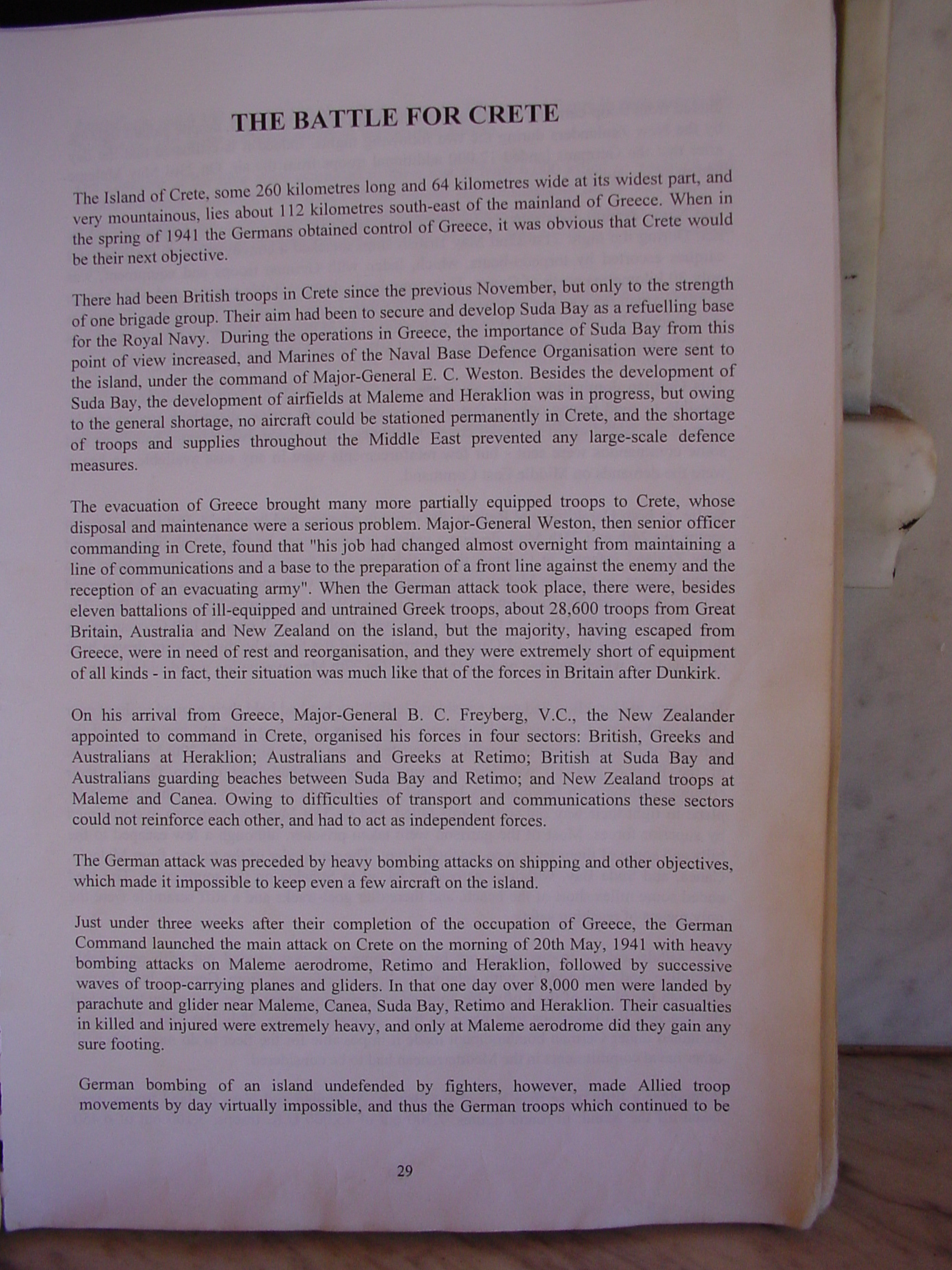
The poet goes on to imagine being a woman in a different time, married to different men, the idea of who we are being both random and minutely specific to a multitude of histories. I like this poem and I have recently been reading ‘Crete – The Battle and the Resistance”’ by Anthony Beevor. It is a very good account of a fearsome battle for control of the island in Greece during the Second World War, told from many sides of the story, the Germans, the New Zealanders, the British and the Cretans. My Dad was in the 5th field Regiment, a gunner, in the New Zealand 22nd Battalion defending the airport at Maleme, the point at which strategically the battle was lost, when it should have been won.

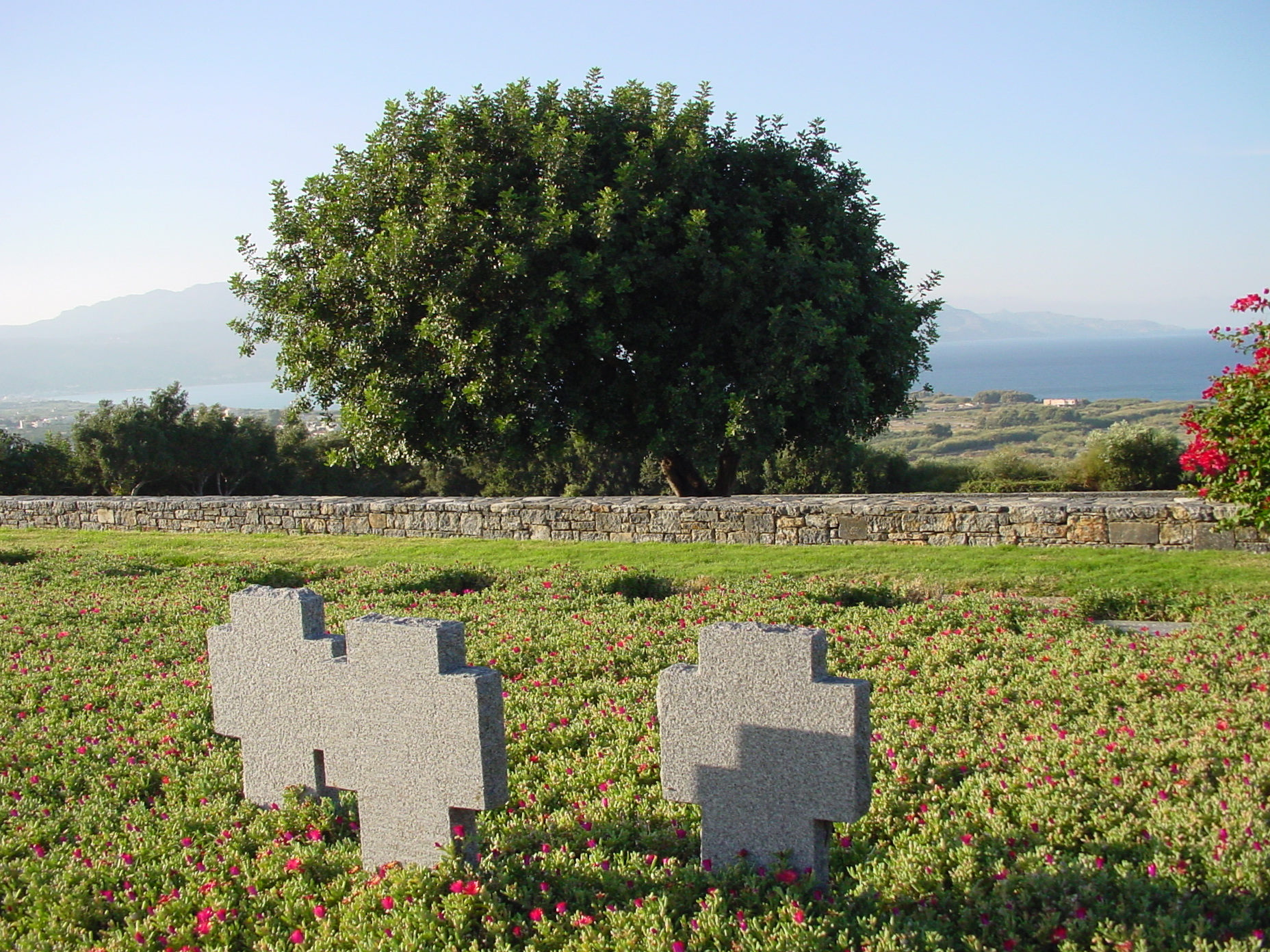
The German graveyard at Maleme

The German graveyard at Maleme

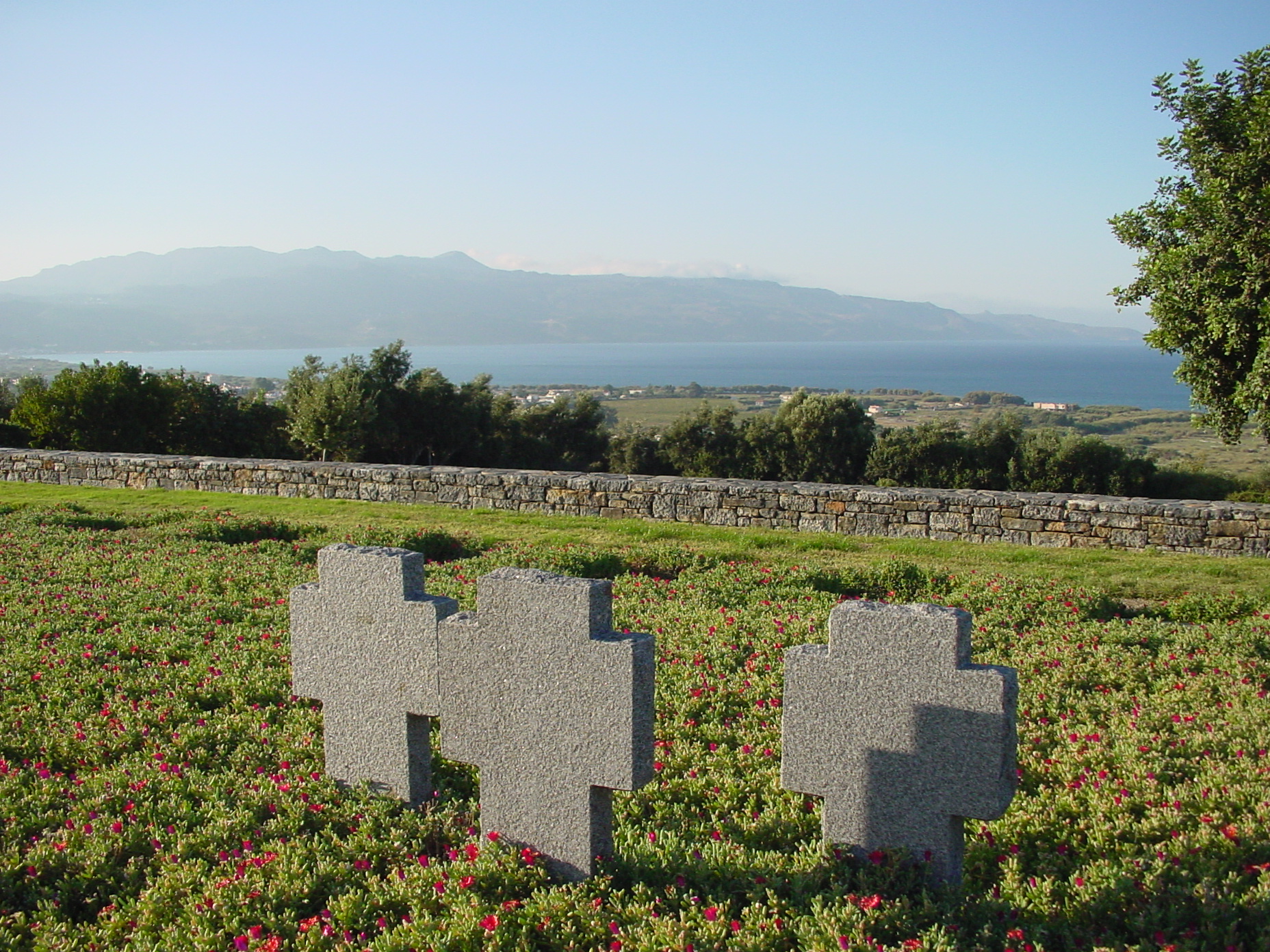
Stone crosses on the hillside among the graves at Maleme

Stone crosses on the hillside among the graves at Maleme

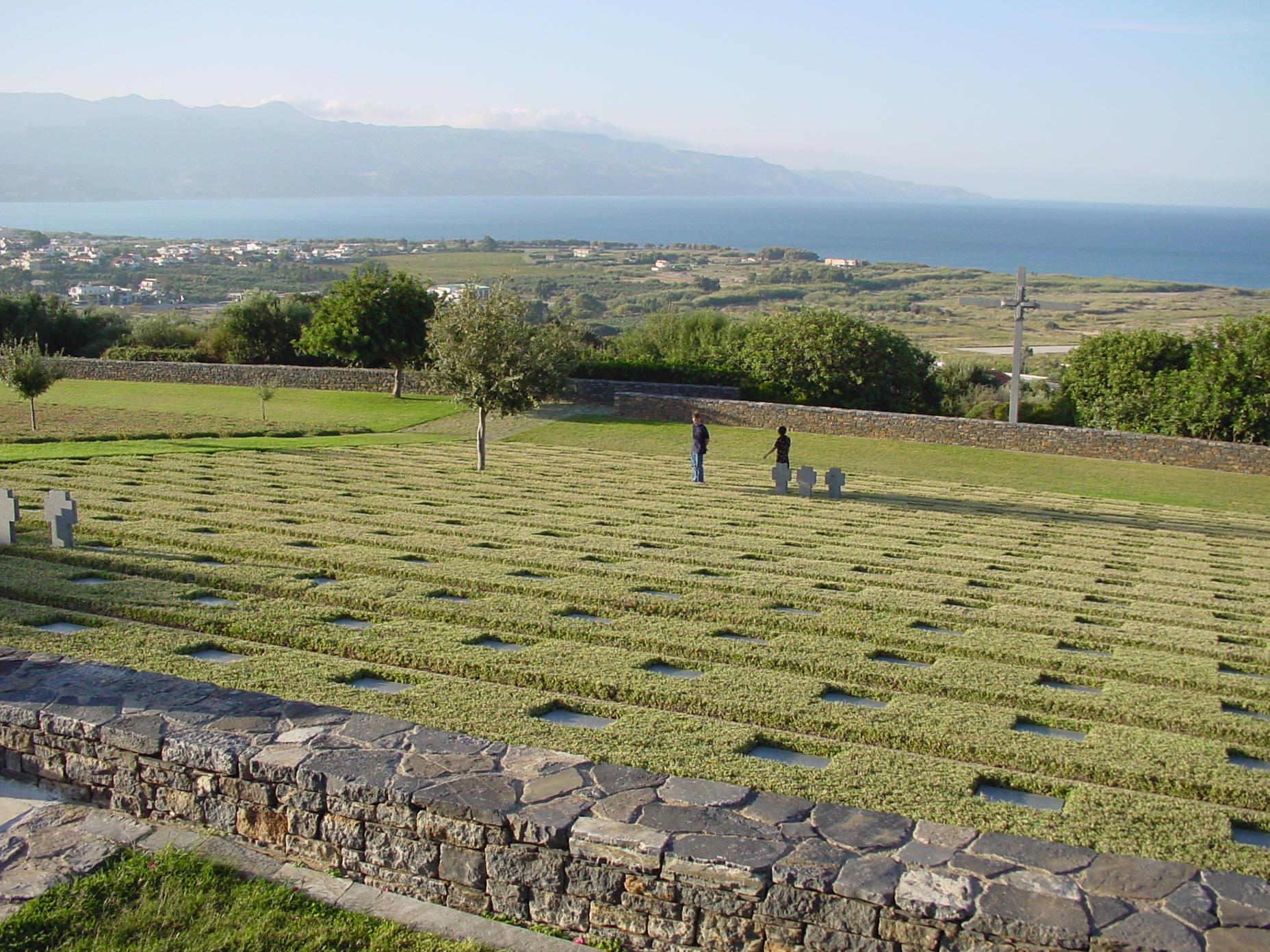
The graveyard at Maleme of German paratroopers killed in the battle of Crete

The graveyard at Maleme of German paratroopers killed in the battle of Crete

If, they say, General Freyberg had not been so hell-bent on the idea of a seaborne invasion… if Colonel Andrew (according to Beevor), “had gone forward before nightfall to observe the coastal trip and the western slopes of Hill 107…” … so many ifs. I imagine too, if they’d all had I phones, perhaps a few texts to and fro with some pictures attached… but then too, it seems Freyberg was very concerned about revealing to the Germans that the Brits had cracked their code, and so I guess I phones can easily be hacked . And too, imagine instead of young men dropping from the sky (like Icarus) in their parachutes, if instead, the Germans had used drones. The account of hand to hand combat between the Germans, local Cretans and the Kiwis is fierce and brutal. It seems that the Geneva convention did not apply as far as the Cretans were concerned. They were civilians defending their own patch. Oddly, the Germans imagined that the Kiwi soldiers would not fire upon them as they descended in their multi-coloured parachutes. But of course they did. And I have it first hand from my Dad, how extraordinary it was, to be firing at such easy targets, but too, how sickening. I read in Beevor’s account, how the gunners were told to aim low at the falling body because of the rapid descent, thus ensuring an accurate hit.

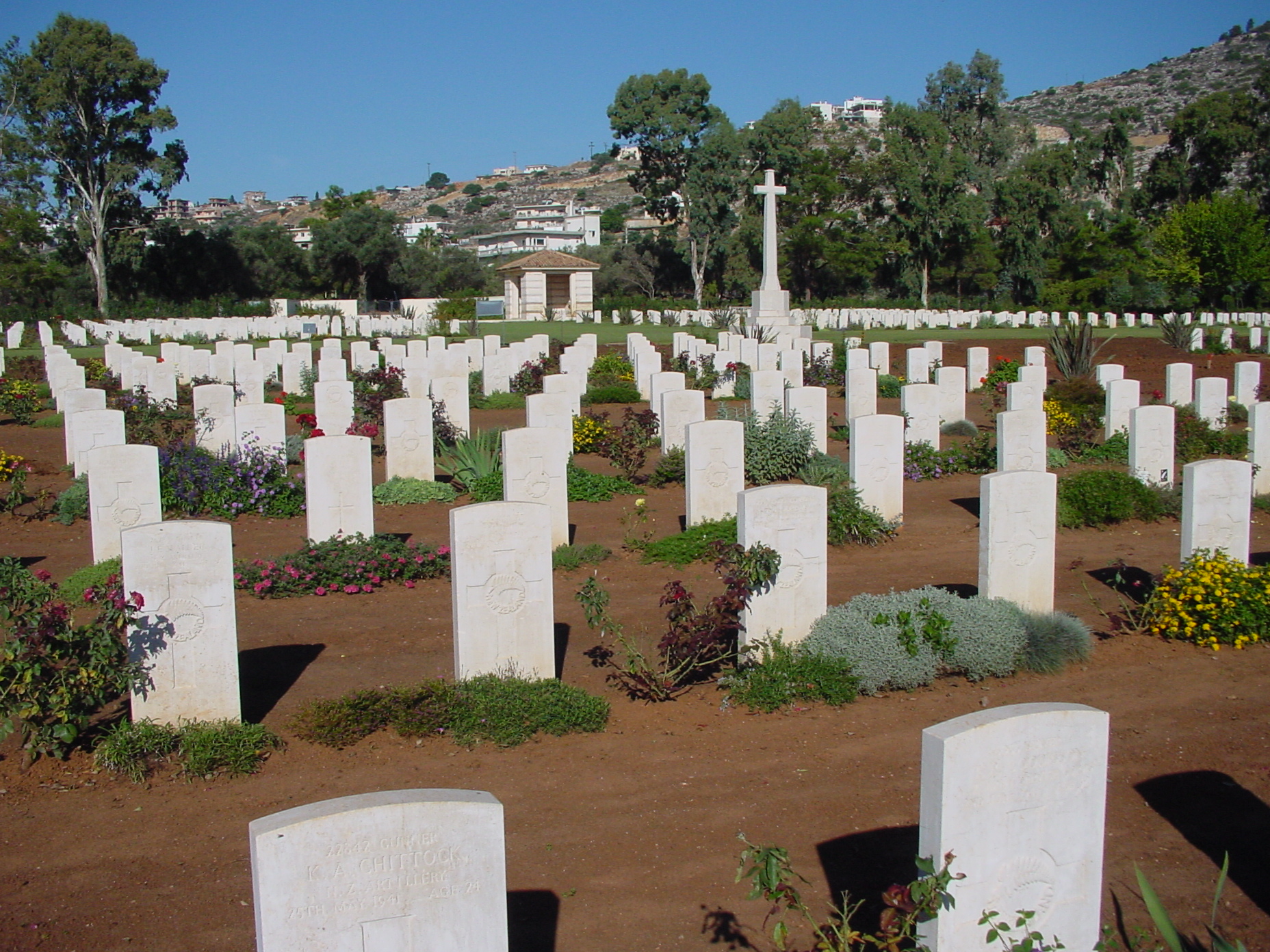
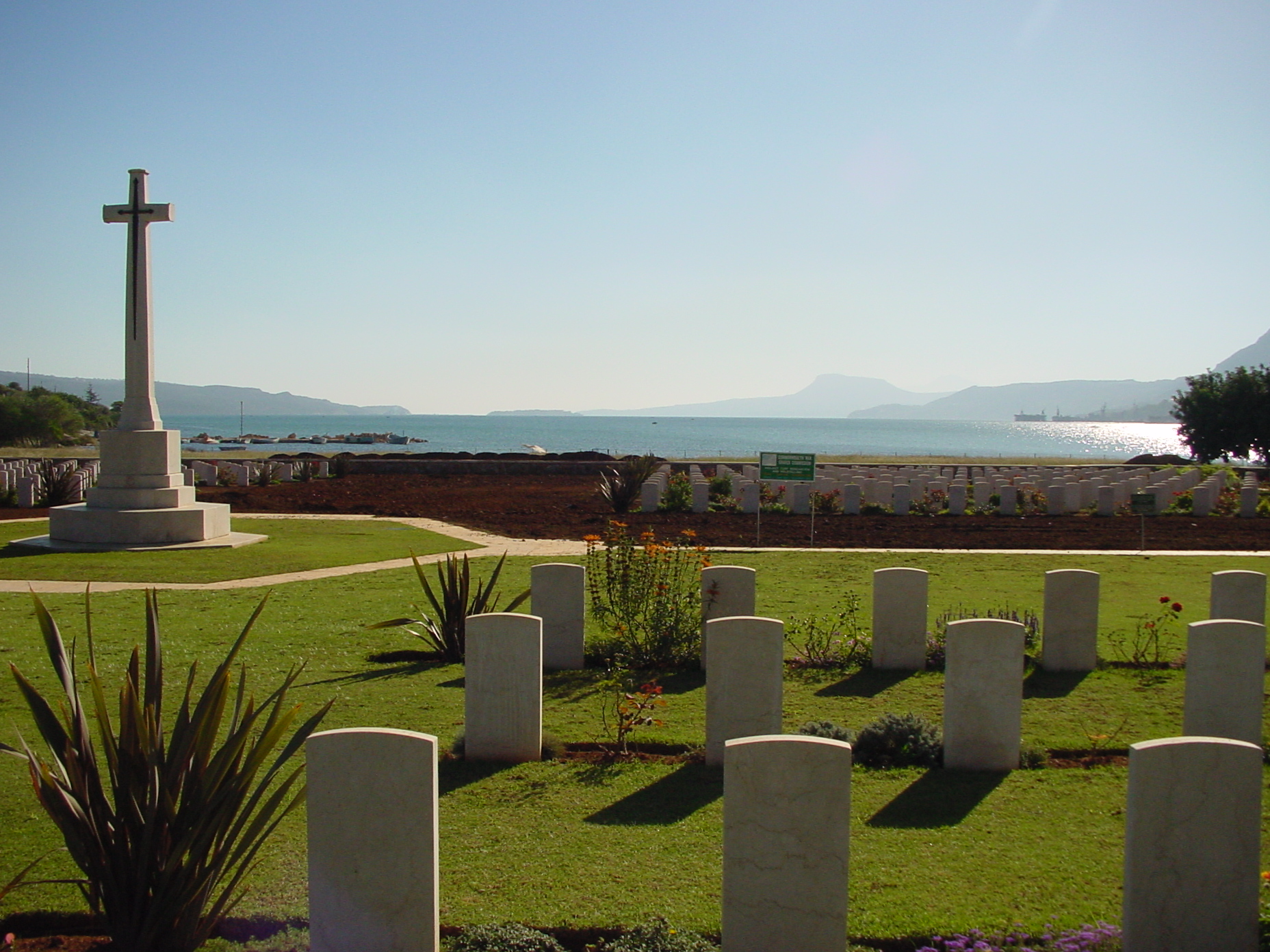
New Zealand graves at Suda Bay

New Zealand graves at Suda Bay

Suda Bay cemetery where the Kiwi soldiers lie

Suda Bay cemetery where the Kiwi soldiers lie

DSC00031

But in spite of this, the battle was won by the Germans, although they suffered extraordinary casualties. The paratroopers were young men (the German elite), some as young as sixteen and thousands were slaughtered in the first two days of the battle. So, what brings me to me Mapua? What is my connection? It is really rather random as I mention at the start (but then you see, don’t you, how random all of our histories really are).

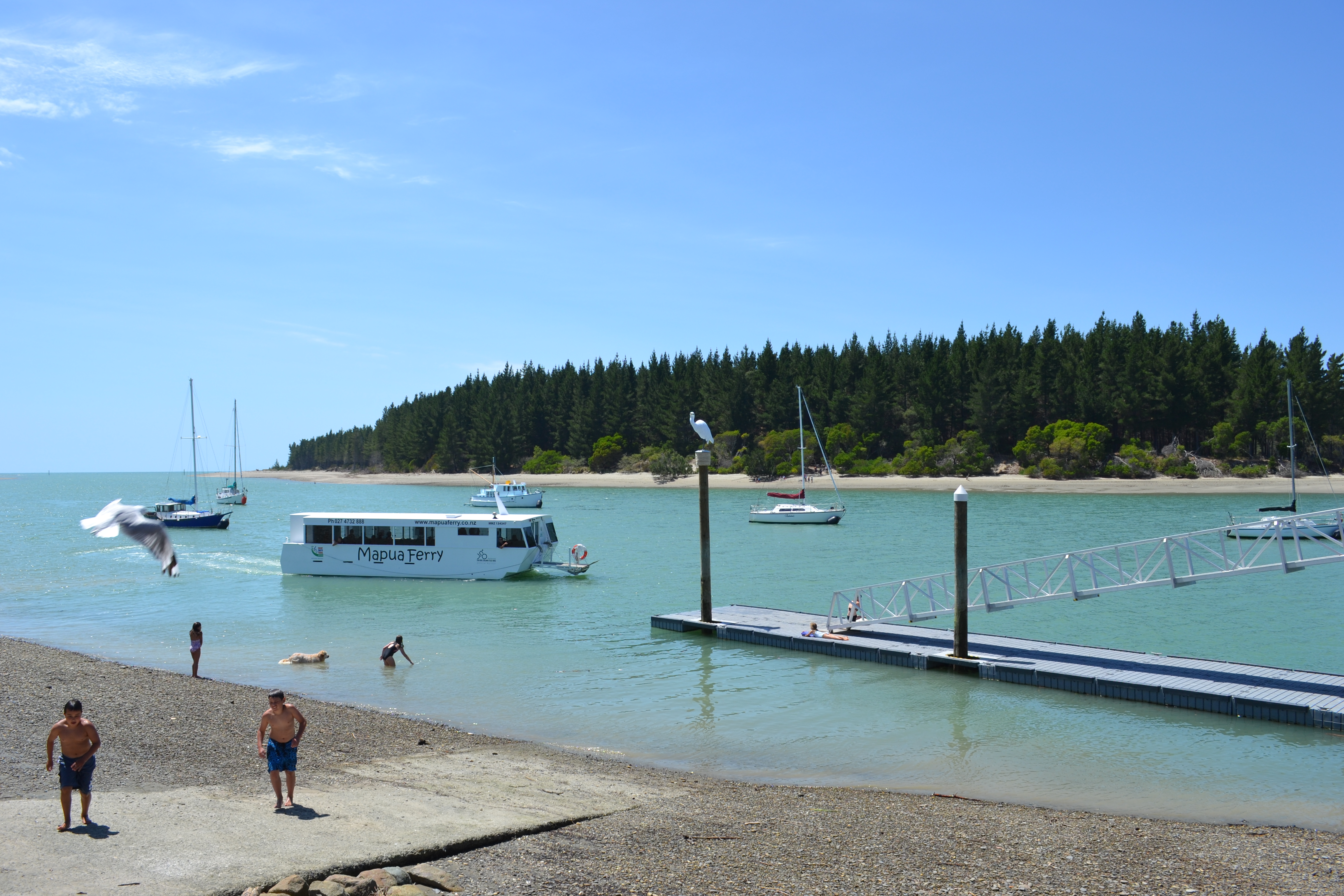
Mapua wharf with the ferry that crosses to my favourite childhood beach, Rabbit Island

Mapua wharf with the ferry that crosses to my favourite childhood beach, Rabbit Island

Ruby Bay

Ruby Bay

Ruby Bay

Ruby Bay

I was reading about the Battle of Crete, perched on the seafront at Ruby Bay (a hop skip and a jump from Mapua where I drank my morning coffee and had these thoughts) and I realised that if the 5th Field Regiment had held the airfield, I may not have existed. The defence of Maleme would have required a further battle – my Dad instead of retreating might have died in the ensuing violence – or so I told myself under the hot Tasman sun. That he survived to be taken POW and then shipped on cattle trains to Poland to spend four years as a POW – not to mention the subsequent 600 mile march in snow at the end of the war … well, that is neither here nor there, because this is what happened and so I know he survived all of this. But too, at each step along the way, there are a multitude of ifs to consider.

And as a result of my father’s war experience, I am fascinated with Greece, with the Battle of Crete, and too, I am ‘alive together with you, and you, and you (my family, my friends, my readers)… and there’s something both thrilling and fateful about this very being alive. If the chance came, would you change your life, be an entirely different person? As a child I used to look at people and try to imagine what it might be like to be them and then be terrified that I had wished too hard and what if I did become them and I didn’t like it and then I couldn’t get me back. Whatever befalls us, we may wish it had not, but do we ever really want not to be ourselves? Perhaps some people do (and here one can imagine a child in the slums of Mumbai). I am currently reading ‘Behind the beautiful forevers’ by Katherine Boo. Yes, perhaps if I was atop a rubbish dump, scavenging for a living, I may well be happy for my wish to be granted… but thankfully in my own fortunate life … it is enough to be ‘alive and together’ …
the poem ends thus:

alive with our lively children
who — but for endless ifs —
might have missed out on being alive
together with marvels and follies
and longings and lies and wishes
and error and humor and mercy
and journeys and voices and faces
and colors and summers and mornings
and knowledge and tears and chance.

Isn’t it just a grand poem? I have Diana Gilliland Wright of Firesteel to thank for her blog which alerted me to this beautiful poem and of course, if you wish to read the entire poem, click this link to Firesteel.

Ursula LeGuin, High Tea and the Menopause

Standard

Ursula K LeGuin, High Tea and the Menopause

Recently, I attended a high tea for a friend’s 70th birthday.   We were all girls and we dined on dainty sandwiches, sipped tea in china cups and ate pretty cakes.

My friend is a writer and she asked if her friends would bring a poem they could read at her birthday.   She especially wanted something that spoke of age and being a woman.   I took my ‘Menopause’ poem and read it.    It seemed to strike a chord.

I’m in that genre now, the one made famous by Ursula Le Guin in her essay on ‘The Space Crone’.  In fact I think I’ve passed through the planet Altair already.  My poem is a response to Ursula’s essay.     It had its debut in New Zealand Books, Volume 17, Number 2, Issue 78 in the Winter of 2007.     I see that New Zealand Books will soon be celebrating the launch of their 100th issue at Unity Books in late November.

Menopause

(Inspired by an essay by Ursula K. Le Guin “The

Space Crone” 1976).

Ursula urges me to

become a Crone

to not bemoan

my declining hormones

to wear grey hair

catch a space ship

somewhere out there

so I can share

my wit, my wisdom

my years of fertility

raising children

(ensuring my humility)

so the fourth planet Altair

can learn about the human race

from a woman (once a virgin)

and now a Crone  (on loan)

But I’m all for my inner space

and I won’t go grey

well, not yet, not today

there’s plenty of time

because I still want to play

to flaunt in the twilight

my age now my highlight

on the cusp of something

almost a Crone – not quite

ready for Ursula’s throne

but not afraid either

thumb out – hitching a ride

not looking back, nor

particularly forward

pausing as they say – oh,

but not for men

for me.

©  Maggie Rainey-Smith

Working in the Sixties

Standard

I recently had a poem published in ‘Typewriter’ an on-line journal for emerging poets edited by the delightful Elizabeth Welsh, a poet and passionate supporter of other poets.

The poem is about my first job really, as a shorthand typist with the Post Office in Nelson.    That’s quite some time ago now.   But it’s got me thinking about those times and how it was I ended up there and what it felt like.    You have to cast your mind back a bit to the 60’s when girls like me had to choose between being streamed ‘professional’ where you could study French and German and go on to become perhaps, well, ah… usually a nurse, or a teacher.   And then, if you wanted to learn to type, you had to choose ‘commercial’ and never the twain shall meet.

I wanted to be a reporter, as I recall, and I knew that I would need shorthand.   I didn’t know anything else and to boot, I had a very glamorous single (maiden or unclaimed treasure as she called herself) aunt, who worked at the Post Office.   It was my aunt who came to our house and tested my shorthand prowess which did reach 120 wpm at one stage.   It was she too, who gave me my first portable Olivetti typewriter to practice on.

Years later, when I was running my own recruitment company in the late 1980’s and the share-market plummeted, I recall meeting young women from private schools whose ambitious parents and teachers had refused them anything so ordinary as learning to type.   Oddly though, at this very point in history, the computer keyboard was becoming integral to most people’s working lives.  Being a touch typist, as I am, is a big advantage to anyone, male or female.

Yes, I learned to type at Waimea College, one of the first co-ed schools in New Zealand.   I sat in the commercial class with a bib over the typewriter keys so that now I can rattle off a book review or a blog without having to look at the keys, or to do the one-finger peck-peck that so many people are reduced to.   At one stage in my illustrious typing career (admittedly on an electric typewriter), I could do 100 wpm typing.   Indeed – I cannot vouch for absolute accuracy at this speed.     On an old manual typewriter, I think the top speed was 60 wpm to pass my Public Service examination.

Back then, in my first job, we sometimes had to type with up to six carbon copies, and that meant if you made a mistake, you had to erase all the copies one by one (Twink I think – I can’t remember) and I often ended up covered in carbon – no long-sleeved white-blouses for me as I stretched across the carbon copies.    I was always glad that I wasn’t a legal typist as they had to type perfect copy without erasures or amendments.

I wasn’t a super-star shorthand-typist because I had a tendency to day-dream.   Back then it was considered a lack of focus and I struggled with this, but now realise that probably I was bored with the content of much of the stuff I had to type and didn’t pay sufficient attention to it.   Yes, back then, I felt somewhat of a failure when I had to do”retypes” and watch my rubbish bin fill to overflowing.   I think I might have even smuggled out some discarded copy under my cardigan to avoid the embarrassment of yet more wasted paper – goodness knows what I did with it, but we did have a coal range at home that Mum cooked dinner on, so perhaps it went in there.

We used to clean our typewriters every Friday in the afternoon before we knocked off.   I had the uncanny knack of dismantling bits and pieces of my typewriter (unintentionally) as I cleaned it.   As I recall, I ended up with several pieces of my typewriter sitting in a basket beside my typewriter – and fortunately back then these old machines were so sturdy, that it continued to function, minus these missing parts.

I also operated the switchboard when it was my shift to do so.

That meant headphones on while typing and stopping mid-flight during a memorandum and transferring calls from outside to inside extensions – the criss-cross of cords as described in my poem – here’s the link.  You could eavesdrop to if you were that sort of girl, but of course I wasn’t!

From memory there was talk back then, that typists pushed the equivalent of ‘tons – tonnes’ per day, with the sheer pressure required to push the old manual keys.  I know our hands were held higher than they are for a modern electronic keyboard and you couldn’t just peck-peck.    Unless you were doing a stencil and you had to be very careful when pushing the letter ‘o’ as if you pushed too hard you cut the ‘o’ completely out and ended up with a black dot on the page instead of the lovely circular letter.

Recently, a librarian responsible for choosing books for the Catholic library service throughout Germany made contact with me.   He’d read a book review I had written for a book he had also reviewed and liked.   He had also read my blog about teaching English to German High School students.  And too, I think because of the Frankfurt book fair and the current interest in New Zealand writing.   I asked him about Catholic libraries and he gave me a very brief history which evidently go back to the second half of the 19th century.   “In those times Catholics were a (huge) minority in the Prussian dominated “Kaiserreich”.  Most of them lived in rural areas, worked as craftsmen and farmers and only a few have had an academic education, most of them were priests. Some of those academics saw the need of education for as many Catholics as possible.”  He said that after World War II, the libraries broadened their scope and now run more or less like any local library with a wide range of contemporary literary fiction, children’s literature, as well as gardening and cook books.

This reminded me of how it was back in the 50’s and 60’s in New Zealand.  I’m only quoting hearsay and legend, but it is said that many private companies wouldn’t hire Catholics and so by default many were in the public service.  My Aunt and two of her brothers worked in the Post Office and it seemed only natural that I would follow in my Aunt’s (to me glamorous) footsteps.   You see she drove an apple green, hand-painted Morris Minor, while we didn’t own a car.  She also earned more than my Dad (he was a carpenter) and she had an amazing wardrobe which included many pairs of stiletto shoes.    What else was there to aspire to?

I never regret the Commercial path that I took.    In the early seventies, I worked in London, Newcastle, Manchester, and Edinburgh as a Temp Secretary – and late in life, I’ve found my feet as a writer – typing has proved a most fortunate and useful skill.   I never did get to be a reporter, but I am now doing book reviews and blogging as well as working on my fourth novel – so yes, typing turned out to be the right thing after all.

Cona coffee and a club sandwich, please

Standard

We were talking last night about food fashions.    I recalled how back in the late seventies, the height of cool for us, in our wee Brooklyn apartment (Wellington, not New York), was cracked pepper pâté on Vogel toast – yum – Friday night, after a week at work, and then home to an easy dinner.   Dead cool, delicious and yes, high fibre toast and something as exotic as pâté.    Well, you might smile.   But you may not have grown up in the 50’s when the closest thing to high-fibre bread was a ‘brown loaf’ or Nu-soy bread and pâté well…

It reminded me of an essay I wrote back in the nineties about the changing face of New Zealand cuisine, and how the tables had turned (so to speak) from the early 70’s when we lived in Norway, to the 1990’s, when our Norwegian friends came to visit us in New Zealand.

Cona coffee and a club sandwich, please

We came back from our OE in the mid seventies armed with our Moulineaux – a smart, European sounding and superior coffee-making machine.  It worked by filtering freshly ground coffee beans through a sort of blotting paper and we added mustard and salt to add flavour and flair.   We were sophisticated travellers who now knew how to make real coffee.  We’d learned in London about milky instant coffee and in Norway about brewing coffee on a stove, but our Moulineaux was an advance on all of these options. We even purchased a Spong coffee grinder (think of your mother’s meat mincer) so we could startle our friends with freshly ground coffee beans.

Growing up in small-town New Zealand, our first taste of coffee had been Gregg’s chicory essence followed by Gregg’s instant.  And then there was the subversive Dutchman who opened a dimly lit coffee bar in Richmond, replete with candles burning in Chianti bottles and coffee was over-brewed into the wee small hours (probably as late as ten in the evening) in a Cona Coffee pot with a mysterious glass stopper.

In the eighties as world travellers, we would cross the Tasman for our cappuccino and marvel at the hot froth, delighted by the dusting of cinnamon or chocolate.  Choosing between cinnamon or chocolate on your cappuccino, being one of the defining moments of trans Tasman travel, back then.

And gradually (or was it all of a sudden?)…  the coffee industry began to infiltrate (excuse the pun) New Zealand.   People abandoned their cups of tea for coffees and the options began to grow.    You could still buy Cona coffee, and you could enjoy filter coffee of various varieties, but now the cappuccino was gaining favour.   And another competitor entered the scene – the plunger!    People argued in favour of and against the plunger.   People argued about the size of the grounds required for plunger versus filter coffee.

Cafes came and went – as good as their last lukewarm latte.   We marvelled at the flat white and debated the difference.

A cappuccino was now passé.  The latte bowl was in.   People sat in cafes all over New Zealand worshiping a white bowl of not too frothy froth.  It took two hands to hold and it required concentration and a teaspoon if you wanted to make sure you got your money’s worth.   People, who normally had good manners, could be seen spooning coffee from enormous white bowls, their noses no longer powdered with cinnamon or chocolate, but possibly dipped in spume.

Then somehow, when we weren’t looking, chocolate crept into the equation.  Peopled nonchalantly ordered moccachino’s and worse than that…decaffeinated flat whites…   Even barristers cringed at this new fad.  What was the point of coffee without the caffeine?

And then, from out of the blue, we had word from our friends in Norway that finally, after thirty odd years, they were coming to visit us.  When we first left home in the seventies and lived in Norway, we were gob-smacked by the variety of food and the taste of coffee in Europe.   And so, we couldn’t wait to show them our beautiful mountains and we hoped, some authentic kiwi fodder.

We set out on our journey to the South Island on the fast ferry (normally crossing Cook Strait on a ferry guarantees you a look at authentically awful Kiwi food) – but fashion had overtaken us and the food was passable even quite good.   It reminded us of the food we had eaten on the hydrofoils in Norway thirty years ago – salad sandwiches and pastries.   But we still had high hopes of finding the real thing.

In Blenheim we visited the vineyards and our Norwegian friends were astonished at the variety and quality of our wines.   We recalled working in the mountains in Norway serving European wines, most of which we had never heard of before.  Many of the guests were wealthy oil and shipping magnates from Haugesund and Stavanger.  The most popular dinner wine was Egri Bikaver (which means bulls blood and has something to do with the Turks, the Ottomans, and Hungary) and for the wealthier (oil and shipping) guests the prestigious (we’d never heard of it back then) Châteauneuf de Pape…

Thirty years later, we watched, as our Norwegian friends sat, eyes closed, breathing in a Mudhouse Sauvignon as if it were the equal or more exotic than Egri Bikaver.

We ate in Nelson and almost drowned in haute cuisine.    But still we hopes.   We would seek out the club sandwich, the mini mince pie and the chocolate éclair.   We were determined to enlighten our Norwegian friends.

Instead, on the West Coast, we ate whitebait patties the size of dinner plates at a salmon farm and even our take-away pizza at Fox Glacier was edible.  The glacier rated, even with our Norwegian friends who were awed by the rapid movement forward of the glacier, the accessibility and the pretty, but dirty blue of the snow.

Then, driving through the Haast, hubby and I marvelled at the uncanny prehistoric canvas that enveloped us, while our Norwegian friends slept in the back of the car, sated, resting, and ready for the next gourmet experience.   Which, as it happened was not that far away, when we found Saffron in Arrowtown and although the mains (minus vegetables) were thirty-five dollars each and upwards, our Norwegian friends (converting the kroner to NZ dollar) didn’t even blink or notice that we did.  Leaving Otago, we popped into the Gibbston Valley vineyard…

The Gibbston Valley Pinot was the Eiffel Tower and the Prado rolled into one as far as we could tell from the glazed and glorious expressions on our guests’ faces.    They slept through the Lindis Pass and missed a moving feast of Graham Sydney landscapes.  I think, but cannot be absolutely certain, they did glimpse Mt Cook, but possibly they slept through this, digesting and resting.  We headed for Christchurch and out to Banks Peninsula.   At Little River, the old store had burned down and a new and modern tin shed had risen from the ashes and instead of just oversized pumpkins and Swandris, we found doormats made of river stones that even Aucklanders would drool over.

We set off for Akaroa, imagining their awe at Onawe, and instead they discovered Barry’s Cheese Factory.  Please, please, no more – our stomachs groaned, but our Norwegian friends were amazed.   We couldn’t convince them that when they first met us, our most exotic cheese experience was smoked cheddar quarters in foil wrap.   We had been impressed with the goat’s cheeses in Norway back then – the peanut butter colour of them – the textures and flavours, the sheer range of cheeses… not to mention the awful smelling gammel ost (literally “old cheese) housed in a glass cover to keep the pungent smell at bay.

And then Akaroa in all its French quaintness invited us in.   We stayed with an old sailing friend who had restored a French Colonial historic home to former glory and planted hundreds of roses.  Each bathroom basin adorned with a freshly picked rose, themed bedrooms and, dare I say it, European, exotic… our Norwegian friends were delighted and so were we, but we had hoped for a small colonial cottage with no frills, or at the very least, a Spartan L-shaped motel with candlewick bedspreads.

Dinner was yet another taste-bud extravaganza on the waterfront with a roaring fire and endless good wine and food.  It wasn’t that we really minded, it was just we wanted them to know how bad it had been – and we had hoped to find some remnant…some shreds of evidence of a former civilization when the pubs closed at six pm, and people ate our for the first time on their twenty-first birthday at the local hotel…where the menu might have said roast lamb, or roast something…when dessert might have been Pavlova and when the best wine might well have been a very sweet German Riesling (even a green Nun would have done).

Breakfast at our B & B (no over-fried bacon and rubbery eggs) was fresh salmon or poached eggs with hollandaise…and yet another rose.

And so, we hoped and prayed that our favourite South Island town Kaikoura would not let us down.   It was November and it snowed, and the sun shone and we rocketed from almost sub-zero temperatures to almost mid summer.    We booked the White Morph, determined to give our Norwegian friends a truly memorable and authentically New Zealand experience but instead of authentic Kaikoura old-style crayfish in newspaper from Nin’s roadside bin …we were in for another gourmet treat, courtesy of the White Morph’s new chef.      We were thwarted once again and our friends were now convinced that we had been keeping New Zealands’s fine cuisine and amazing wines a secret for thirty-odd years.  The roadside cray bins weren’t selling crays that day…it seemed their catch had all gone to the restaurants.

We tried to explain about the New Zealand roast, the Cona coffee, the lamingtons and the pies…but they didn’t believe us…  They left New Zealand promising to return…but not for the scenery…  they had vineyards in their sights, and they hadn’t tasted our oysters or scallops yet…

It was weird to think how sophisticated Norway had seemed back then and to see now, how sophisticated and “European” New Zealand had become. How exciting it had been to pour European wines and eat from the smörgåsbord for breakfast and lunch.  Pickled herrings, smoked and hung and dried meats, and at lunch-time after skiing in the morning, a Pilsner.   And, now New Zealand was afloat with boutique breweries and we couldn’t even extol the virtues of Pilsner, or their extra strong (with a health warning) Christmas beer Jule øl .

We laughed about the fried egg joke – which was the meal that any good hotelier in Norway would place on the bar while you drank your beer (the law said you had to eat when you drank)…and then put away again, uneaten, for the next guest.   Of course with our six o’clock swill still a recent memory, we hadn’t thought too much about this.   But, now our friends from Norway were astonished, and delighted that we could take wine with a picnic to the Botanical Gardens in Wellington and enjoy the summer evening concerts without getting arrested.

Norway doesn’t even make wine (not unless you count the rosé, that we used to drink made from old jams at Easter time by Bestemor (Grandma) at the hotel we worked at – it kicked a fair punch indeed, was a gorgeous colour and texture, but hardly Ata Rangi), and in thirty years, we’ve gone from Villa Maria Rejoa by the flagon, to prize-winning Pinot Noir from Otago; from Velutto Rosso in a cardboard box (not bad in mulled wine), to endless choices in a bottle… from corks to screw tops.

It was odd, but I still hoped we’d find a little café with over-brewed coffee, sausage rolls, and prize of all prizes, a carefully cut, lovingly filled, slightly soggy, cheese and pineapple club sandwich.